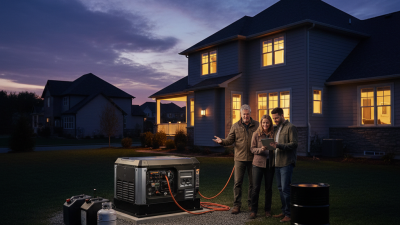
2026 Best Emergency Generator Options for Global Buyers?
When considering the best emergency generators for 2026, various factors come into play. An emergency generator is essential for homes and businesses, especially in areas prone to power outages. Selecting the right generator can mean safety and comfort during severe weather or unexpected failures.
Buyers must evaluate options based on their energy needs, fuel types, and portability. The market is filled with choices, and each option has pros and cons. Features such as noise level, capacity, and runtime are critical. For example, portable generators often provide flexibility but may lack the power output of larger models.
It is important to reflect on specific needs. Some generators may have advanced technology but are complex to operate. Users should not overlook ease of use and reliability. Ultimately, making an informed decision can enhance preparedness and peace of mind.
Overview of Emergency Generators: Importance and Uses
Emergency generators play a crucial role in maintaining power during outages. Their importance cannot be overstated. They provide electricity for essential appliances, helping families and businesses function smoothly. In critical situations, these generators can be a lifeline. Without them, many people would face disruptions that affect safety and comfort.
When considering the uses of emergency generators, it’s essential to look at various scenarios. For instance, during natural disasters, these machines can keep communication systems alive. They can power lights and medical equipment in hospitals. However, not all generators are created equal. Some may not handle heavy loads well or may fail when needed most. Buyers should ponder their specific power needs before making a choice.
Finding the right generator requires careful thought. Many users discover that the most affordable option isn't always the best. Some models may offer insufficient fuel efficiency. Others might generate too much noise, causing disturbances. It's vital to balance cost, reliability, and functionality. Researching and comparing options is necessary for making an informed decision. Each situation is unique, and sometimes the best generator for one person may not suit another.
Emergency Generator Power Output Comparison
This chart represents the power output capacities of various types of emergency generators measured in watts. It provides insights into the best options available for global buyers based on their needs during emergencies.
Key Features to Consider When Choosing an Emergency Generator
When selecting an emergency generator, several key features should guide your decision. Power output is critical. Assess your household's needs. What devices do you depend on? Consider a generator that can handle your maximum load efficiently. A unit with a higher wattage may prevent future frustrations during outages.
Fuel type also matters. Gasoline, propane, and diesel are common options. Each type has distinct benefits. Gasoline is readily available but may not last long. Propane is clean and efficient. Diesel offers a longer shelf life, making it a reliable choice for longer outages.
Tip: Always choose a generator with an automatic shut-off feature. This protects against overheating and prolongs its life. Additionally, consider portability. A compact generator can provide power wherever you need it, whether at home or on the go. Keep noise levels in mind as well. A quieter unit increases comfort during use, especially in residential areas. Evaluate storage space too—an efficient generator won't take up more than necessary.
2026 Best Emergency Generator Options for Global Buyers
| Model |
Wattage |
Fuel Type |
Run Time |
Weight |
Noise Level |
Price Range |
| Model A |
3500 Watts |
Gasoline |
8 hours |
120 lbs |
58 dB |
$500 - $600 |
| Model B |
5000 Watts |
Propane |
10 hours |
130 lbs |
62 dB |
$700 - $800 |
| Model C |
7500 Watts |
Diesel |
12 hours |
200 lbs |
70 dB |
$1000 - $1200 |
| Model D |
2000 Watts |
Gasoline |
5 hours |
45 lbs |
53 dB |
$300 - $400 |
| Model E |
6000 Watts |
Hybrid (Gas & Electric) |
9 hours |
150 lbs |
65 dB |
$800 - $950 |
Top Emergency Generator Brands and Models for 2026
When considering emergency generators for 2026, reliable options are essential. The market offers a variety of models catering to diverse needs. Compact generators are perfect for homes needing backup power. Meanwhile, larger generators serve businesses requiring heavy-duty performance. Each type has its pros and cons.
**Tips:** Always assess your power requirements. Calculate wattage needs to avoid underperformance. Regular maintenance extends longevity. Not all generators operate quietly, so consider noise levels based on your environment.
Choosing generators involves understanding fuel types. Gasoline, propane, and diesel have different efficiencies and storage options. Residential users might prioritize fuel availability and storage limits. For commercial spaces, robust systems can ensure minimal downtime. This choice can reflect on safety and comfort.
**Tips:** Plan for safe storage and transport. Ensure compliance with local regulations. Frequent testing of your generator prevents surprises during an outage. A solid understanding of these factors can enhance readiness for unexpected power needs in 2026.
Comparison of Fuel Types: Gasoline, Diesel, and Propane Generators
When selecting an emergency generator, fuel type is crucial. Gasoline generators are popular for their convenience. They start quickly and are readily available. However, gasoline has a shorter shelf life. This can be a downside if you can't use it immediately. Additionally, gasoline generators may require more frequent refueling during extended outages.
Diesel generators offer their own advantages. They are more fuel-efficient and typically have a longer lifespan. Diesel fuel also has a longer shelf life compared to gasoline. This means you can store it for emergencies without worrying much, but diesel generators can be heavier and louder. Some users find the noise level a significant drawback.
Propane generators are another option worth considering. They burn cleaner than gasoline and diesel. This can be better for the environment. Propane also has an indefinite shelf life when stored properly. However, propane availability can be an issue in some regions. Each fuel type has its strengths and weaknesses. Understanding these differences can help you make an informed decision for your emergency needs.
Best Practices for Maintaining and Storing Emergency Generators
Maintaining and storing emergency generators properly is crucial for their longevity and reliability. Industry reports highlight that nearly 70% of generator failures are due to inadequate maintenance. Regular checks on oil levels and fuel quality are essential. Additionally, cleaning air filters can significantly improve performance. Neglecting these tasks can lead to malfunction during critical times.
Storing generators in a dry, well-ventilated area protects them from rust and degradation. Keeping them covered can prevent dust accumulation. The recommended storage temperature should ideally be between 50°F to 86°F. Using a fuel stabilizer is also advised. This practice helps maintain fuel integrity for extended periods. A survey found that 30% of generators in storage failed due to stale fuel.
Testing generators monthly is vital. Running them for 30 minutes ensures that any potential issues are caught early. However, it’s often overlooked, with only 40% of users following this guideline. Proper documentation of maintenance activities can help track performance and identify recurring issues. Addressing these problems proactively can make a significant difference when the generator is needed most.

 Mobile Generator