2026 How to Choose the Best Smart Energy Storage Generator?
As the world shifts toward renewable energy, Smart Energy Storage Generators emerge as vital components in sustainable energy systems. According to a recent report by the International Energy Agency, the global energy storage market could grow to $500 billion by 2030. This trend emphasizes the importance of selecting the right storage solution for both residential and commercial applications.
The Smart Energy Storage Generator offers a blend of functionality and innovation. These devices not only store energy but also optimize its use, thereby reducing costs and emissions. A study from the U.S. Department of Energy highlights that deploying energy storage could lower electricity bills by up to 30%. However, choosing the best generator can be challenging due to varying technologies and specifications.
Potential buyers should consider key factors such as capacity, efficiency, and integration with existing systems. Smart Energy Storage Generators pose unique benefits but can also present complexities. Balancing efficiency, cost, and long-term sustainability requires careful thought. As the market evolves, informed choices will play a critical role in realizing the full potential of these energy solutions.
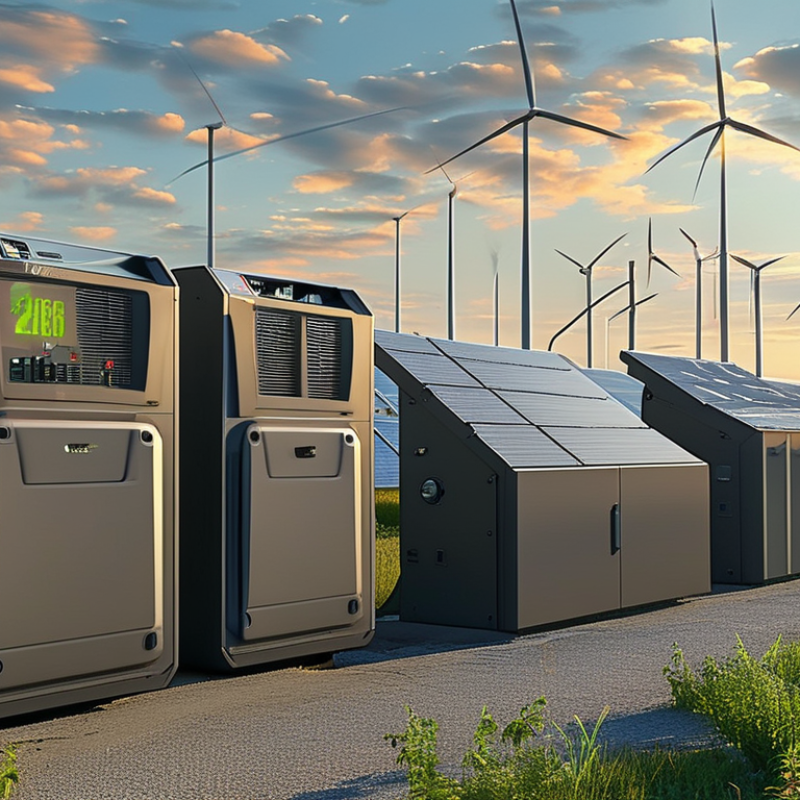
Understanding Smart Energy Storage Generators: Key Features to Consider
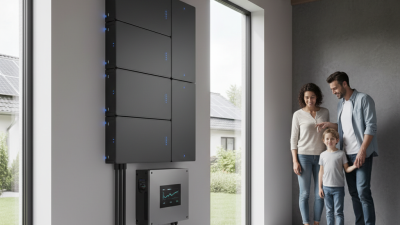
Understanding smart energy storage generators is crucial for making an informed choice. These devices capture energy, allowing for flexible power usage. One important feature is storage capacity. A higher capacity allows for more energy to be stored for later use. It’s essential to assess your energy needs and choose accordingly.
Efficiency is another key aspect. Look for generators with high round-trip efficiency. This means they can convert stored energy back into usable electricity with minimal loss. You might find that some units perform well during certain conditions but not others. Be sure to research and compare their real-world performance.
Monitoring capabilities can enhance your experience. Smart generators often feature apps that provide real-time data. You can track energy consumption and storage levels easily. However, some may lack user-friendly interfaces, leading to frustration. Also, consider the battery technology. Lithium-ion batteries are common, but they vary in lifespan and performance. Choose wisely based on your specific requirements and lifestyle.
Comparative Analysis of Battery Technologies in Energy Storage Solutions
When considering energy storage solutions, battery technology plays a pivotal role. Various types of batteries exist, each with its pros and cons. Lithium-ion batteries are widely used for their efficiency and energy density. They provide high performance but come at a higher price point. Lead-acid batteries, while cheaper, have limited lifespan and efficiency. It’s crucial to weigh these factors against your energy needs and budget.
Tips for selecting the right battery include assessing your energy consumption patterns. Determine how much energy you need to store and when you’ll use it. Also, consider environmental factors. For instance, if temperatures fluctuate significantly, some batteries perform better than others. Evaluating your specific use case is essential for making an informed choice.
Another point for reflection is the sustainability of your chosen battery technology. Some materials used in battery production can be harmful to the environment. Understanding the recycling processes and lifecycle of your batteries is beneficial. This knowledge helps you choose a solution that aligns with your values and minimizes environmental impact.
Comparison of Different Battery Technologies in Energy Storage Solutions
Evaluating Capacity and Efficiency Metrics for Optimal Energy Storage
When evaluating smart energy storage generators, capacity and efficiency are crucial metrics. Recent industry reports indicate that the average energy storage capacity ranges from 5 kWh to over 20 kWh. This variability depends on your specific energy needs. A household that consumes around 30 kWh daily might benefit from a larger system. It's essential to analyze actual consumption patterns before making a choice.
Efficiency often influences the overall performance of these systems. The round-trip efficiency, which measures how much energy is retrieved compared to what is stored, typically averages between 80% and 95%. Higher efficiency means less energy loss during the storage process. However, some technologies have shown only 70% efficiency. This can lead to misconceptions regarding potential savings and performance.
In addition to capacity and efficiency, consider the lifecycle of the system. Reports highlight that battery lifespan can vary from 5 to 15 years. Variability depends on factors like charge cycles and temperature ranges. Regular maintenance is also often overlooked, affecting long-term reliability. Personal experiences from users indicate that proactive monitoring tends to prevent issues. Each home has unique needs, making a tailored evaluation necessary. Balancing these aspects is key to optimizing energy storage for your lifestyle.
2026 How to Choose the Best Smart Energy Storage Generator? - Evaluating Capacity and Efficiency Metrics for Optimal Energy Storage
| Generator Type |
Capacity (kWh) |
Efficiency (%) |
Recharge Time (hrs) |
Weight (lbs) |
| Lithium-ion |
10 |
90 |
5 |
50 |
| Lead Acid |
12 |
80 |
8 |
90 |
| Flow Battery |
15 |
75 |
10 |
120 |
| Supercapacitor |
8 |
95 |
1 |
30 |
Cost-Benefit Analysis: Investment vs. Long-Term Savings in Energy Storage
When considering the investment in a smart energy storage generator, a cost-benefit analysis is crucial. The initial costs can be high, but long-term savings can be significant. Evaluate how much energy you consume daily. This will help forecast potential savings from reduced utility bills.
Consider local energy prices. In some areas, energy costs are rising rapidly, which makes energy storage even more appealing. Analyze efficiency ratings as well. A more efficient unit can yield better savings over time, but may require a larger upfront investment.
Tips: Look for incentives in your area. Government grants or rebates can offset initial costs. Don't overlook maintenance costs either. These can impact your savings in the long run.
Lastly, measure your energy needs realistically. You might discover your peak consumption times don’t align with storage capacity. A mismatch here can lead to higher costs instead of savings. Keep these factors in mind when making your decision.
Future Trends: Innovations Shaping Smart Energy Storage by 2026
The future of smart energy storage is set to evolve rapidly by 2026. Innovations in battery technology and energy management systems are at the forefront of this revolution. According to a report by Statista, the global energy storage market is expected to exceed $260 billion by 2026. This growth is primarily driven by advancements in lithium-ion batteries and renewable energy integration.
Key trends include modular storage systems that allow homeowners and businesses to scale their energy storage solutions. These systems enhance efficiency and reduce reliance on the grid. Moreover, smart algorithms are being developed to optimize energy usage, allowing for real-time adjustments based on consumption patterns. Research by the International Energy Agency suggests that smart energy solutions can lead to a 30% reduction in energy costs for users.
Yet challenges remain. Many consumers still find it difficult to navigate the available options. The variety of technologies and price points can be overwhelming. Furthermore, the environmental impact of battery production is a growing concern. As technologies become more sophisticated, it is crucial to address these issues to achieve a sustainable energy future.

 Mobile Generator