Top 5 Tips for Choosing the Right String Inverter?
Choosing the right String Inverter is crucial for optimizing solar energy systems. Industry reports suggest that the global string inverter market is projected to grow steadily, reaching approximately $10 billion by 2025. According to solar energy expert Dr. John Smith, "A well-selected string inverter can significantly enhance system efficiency and durability."
The efficiency of solar installations heavily relies on the quality of the inverter. A good string inverter not only converts DC to AC power but also manages energy flow effectively. However, many consumers overlook key factors like compatibility, efficiency ratings, and warranties. Each choice has its impact on system performance.
Understanding the nuances of String Inverters can be daunting. Mistakes in selection might lead to inefficiencies. Users often face a steep learning curve, especially when navigating technical specifications. It's essential to approach the selection process thoughtfully. Prioritize your long-term energy needs and consider expert insights.

Understanding String Inverters and Their Importance in Solar Systems
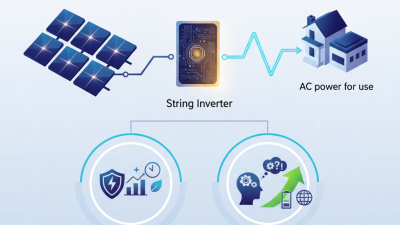
String inverters play a crucial role in solar systems, converting direct current (DC) generated by solar panels into usable alternating current (AC). They are essential for maximizing energy efficiency and optimizing system performance. According to the Solar Energy Industries Association (SEIA), about 85% of residential solar systems in the U.S. utilize string inverters. Their popularity stems from their affordability and ease of installation.
The performance of string inverters often depends on several factors, including their placement, the shading of solar panels, and local climate conditions. In regions with high variability in sunlight, for example, string inverters may underperform due to partial shading. A study from the National Renewable Energy Laboratory (NREL) indicated that shading can reduce energy production from string inverters by up to 30%. This emphasizes the importance of strategic panel placement and the need for high-quality inverters that can handle diverse conditions.
Another factor to consider is reliability. Research shows that inverter failures can lead to significant energy losses. The average downtime for string inverters can be as high as 1.5% annually, affecting overall system efficiency. Homeowners must reflect on these aspects, as choosing the right string inverter can enhance their solar investment significantly. A careful evaluation of inverter specifications, warranties, and performance data is critical for making an informed decision.
Factors to Consider When Selecting a String Inverter
Choosing the right string inverter requires careful consideration of various factors.
One of the primary aspects is the inverter's efficiency rating.
Higher efficiency translates to better energy conversion. Look for models that offer
95% efficiency or more. However, remember that real-world performance might differ
due to environmental conditions.
Another important factor is the inverter's capacity.
It’s essential to match the inverter’s capacity with your solar panel system. An inverter that is
too small will underperform. On the other hand, an oversized inverter may lead to unnecessary expenses.
Understanding your energy needs will help you make an informed decision.
When evaluating options, consider the warranty and
support services. A reliable warranty ensures long-term peace of mind. Moreover, prompt support can
save you from potential installation headaches. Choose an inverter that has a proven track record in
the market, as experience often indicates reliability.
Evaluating the Efficiency Ratings of String Inverters
When evaluating string inverters, efficiency ratings are crucial. These ratings indicate how effectively an inverter converts DC power from solar panels into AC power for home use. A higher efficiency rating means more electricity generated from the same amount of sunlight. In general, look for models with ratings above 95%. This ensures optimal performance in various weather conditions.
Consider real-world results, not just lab conditions. Some inverters perform well in ideal settings but struggle in less favorable circumstances. Research user reviews and case studies. These sources can provide insights into how inverters deal with shading or extreme temperatures. Fluctuations in performance can impact overall energy production.
Examining the efficiency rating offers a baseline, but practical performance is vital. Don't ignore warranty periods and manufacturer support. Even efficient devices can have issues. A reliable support system is crucial for long-term success. Therefore, always seek detailed feedback on performance over time. This can help you decide which inverter truly meets your needs.
Assessing Compatibility with Your Solar Panel System
Assessing compatibility between your string inverter and solar panel system is crucial for optimal performance. The inverter must handle the voltage and current specifications of your solar panels. Mismatching these components can lead to inefficiencies and system failures.
Understand the voltage range of your panels; this will help you select an inverter that can efficiently convert solar energy.
It’s also important to consider the power output of your solar panel system. Calculate the total wattage and ensure that the inverter can support it. An undersized inverter will struggle to manage peak loads. Moreover, think about the type of panels you’re using. Not all inverters are built to work with every solar technology.
Pay attention to the inverter's efficiency rating. A higher efficiency means more of your solar energy is converted to usable power. However, that doesn’t guarantee perfect performance in all conditions. In certain weather scenarios, even the best inverters may underperform. Thus, getting feedback from professionals can provide insights about compatibility.
Don't overlook the importance of consulting technical specifications. This can help avoid complications later.
Reviewing Warranty and Support Options for Your Inverter
When selecting a string inverter, warranty and support options are crucial. A long warranty often indicates trust in the product's durability. Look for warranties that cover at least 5 to 10 years. This gives you peace of mind as your investment ages. Ensure you understand what the warranty covers. It should include parts, labor, and defects.
Support options also play a vital role in your decision. Check if the manufacturer offers a dedicated support line. Quick access to technical support can save you time and frustration. Consider online resources too. User manuals, FAQs, and community forums can be invaluable. They help you troubleshoot issues without waiting for direct support.
Although many companies provide warranties, not all are created equal. Research customer reviews about their support experiences. Some may find wait times long or responses unclear. This reflection can guide you towards a more reliable choice. Evaluate the overall reputation of the inverter and its manufacturer before making your purchase.
Top 5 Tips for Choosing the Right String Inverter
This chart illustrates the key factors to consider when choosing a string inverter. The data highlights the average warranty period, support availability, efficiency, temperature range, and price of inverters. This information can help consumers make informed decisions based on essential criteria.

 Mobile Generator