inquiry

Leave Your Message

2026 How to Use an Energy Accumulator for Efficient Energy Storage?

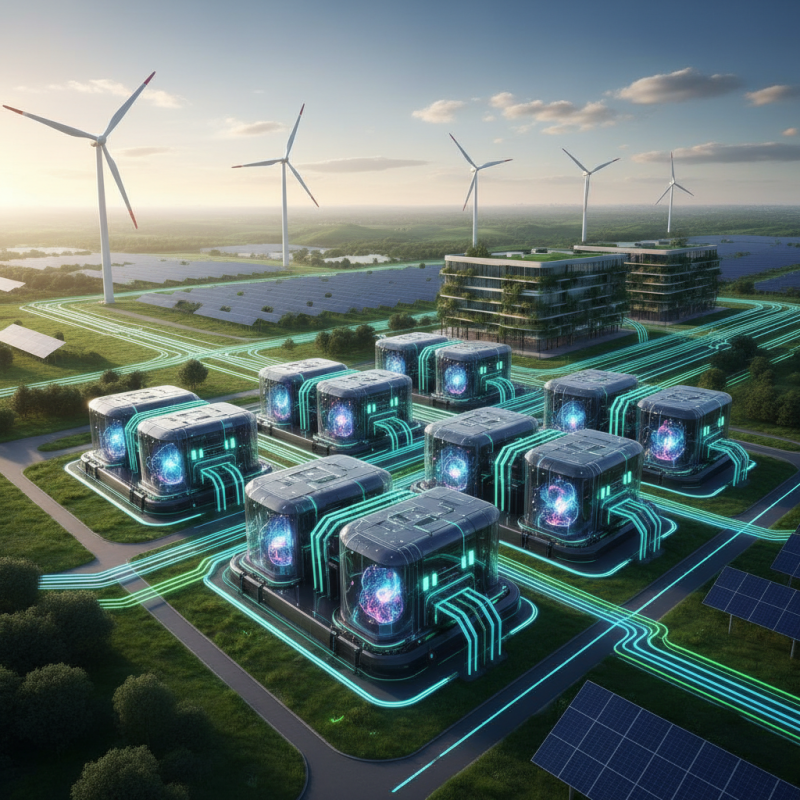
As the demand for sustainable energy solutions grows, the relevance of the Energy Accumulator becomes paramount. According to a report by the International Energy Agency (IEA), energy storage systems can enhance grid stability and reduce carbon emissions significantly. Specifically, energy accumulators play a crucial role in integrating renewable sources. Their ability to store excess energy during peak production times is invaluable.

However, many organizations still struggle with the efficient use of energy accumulators. Issues like limited lifecycle performance and high initial costs hinder their adoption. A recent study indicates that over 40% of companies lack a clear strategy for energy storage. This gap suggests a need for better understanding and implementation of energy accumulator technologies.

Potential challenges include varying efficiency rates and compatibility with existing infrastructure. As industries explore solutions, questions about the reliability and long-term sustainability of these systems remain. There is much to reflect on as we advance toward a greener future. Energy accumulators hold promise, yet they require strategic development and innovative approaches to maximize their benefits.
2026 How to Use an Energy Accumulator for Efficient Energy Storage?

Understanding Energy Accumulators and Their Functions

Energy accumulators are essential tools for efficient energy storage. They capture excess energy generated during peak production times. This stored energy can then be used during low production periods. Essentially, they bridge the gaps in energy supply and demand. These accumulators range from batteries to larger systems like pumped hydro storage.

Understanding how energy accumulators function is crucial. They operate by converting energy into a storable form. For instance, batteries store electricity chemically. Pumped hydro systems utilize gravitational energy, elevating water to a reservoir. When energy is needed, water is released to turn turbines. However, the efficiency of these systems can vary. Sometimes, energy loss during conversion can be substantial.

In practice, many users find that energy management can be tricky. Over-reliance on these systems can lead to inefficiencies. Maintenance is another concern; neglecting regular upkeep can diminish performance. It's essential to evaluate the specific needs and conditions before investing in such technology. This reflection ensures optimal use of accumulators in various energy scenarios.


Energy Storage Capacity of Different Energy Accumulators in 2026

Types of Energy Accumulators for Efficient Storage

Energy accumulators play a key role in efficient energy storage, and various types serve different needs. Batteries dominate the market due to their versatility. Lithium-ion batteries account for approximately 65% of the global battery market, according to recent industry reports. They offer high energy density and are widely used in electric vehicles. However, they do have shortcomings, such as limited lifespan and environmental concerns regarding lithium extraction.

Pumped hydro storage (PHS) is another effective method. This system utilizes excess energy to pump water uphill. When energy is needed, the water is released to generate electricity. PHS represents around 95% of global energy storage capacity, as indicated by the International Energy Agency. While it is efficient and has long lifespan, PHS requires specific geographical conditions. This can limit deployment in many regions.

Flywheels are gaining attention for their rapid energy discharge capabilities. They have a much shorter storage duration but can provide quick bursts of energy. Industry studies estimate that flywheels could reduce peak energy demand by 20%, making them attractive for grid stability. Yet, their initial costs can be high, and efficiency losses during operation are areas needing improvement. Each accumulator type offers unique advantages and challenges that must be considered in energy storage solutions.

Key Principles for Maximizing Energy Storage Efficiency

Efficient energy storage is crucial for optimizing renewable resources. Understanding key principles can enhance performance significantly. First, consider the charging and discharging rates of your accumulator. Research shows that an optimal charge rate can improve efficiency by up to 30%. This means you may want to adjust the input to align with energy supply.

Another important factor is temperature control. Energy accumulators operate best at specific temperature ranges. Studies indicate that temperatures outside of the ideal range can reduce efficiency by as much as 15%. Regular monitoring can prevent losses caused by thermal fluctuations.

Lastly, the lifespan of an accumulator can impact overall efficiency. Many systems experience a decline in performance after several cycles. According to industry reports, some accumulators lose up to 20% of their capacity after just 500 cycles. Careful management of charge cycles can help extend their useful life, leading to better overall energy storage solutions.

Installation and Integration of Energy Accumulators in Systems

2026 How to Use an Energy Accumulator for Efficient Energy Storage?

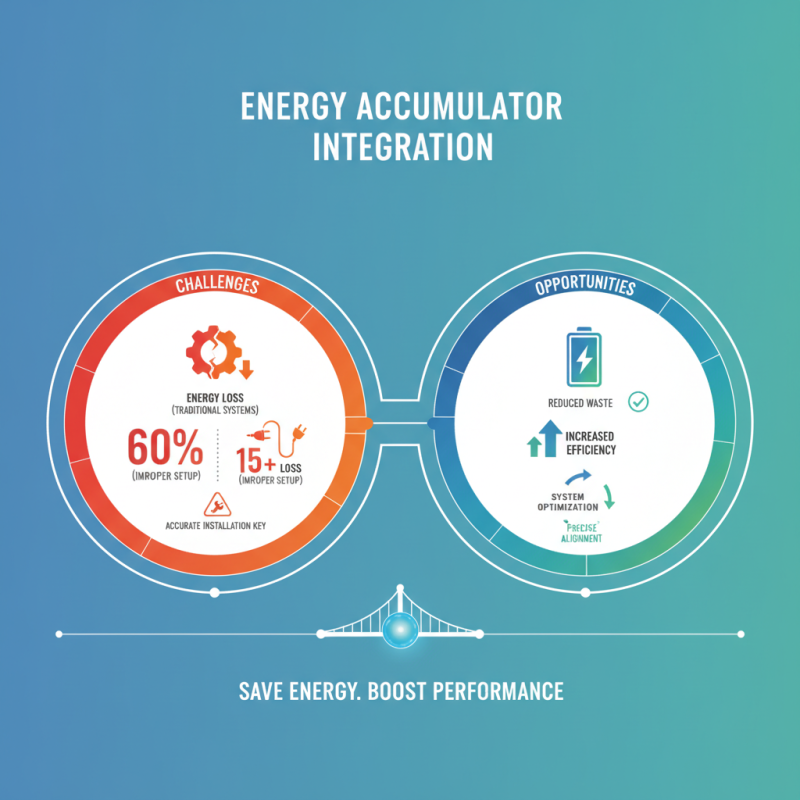
The integration of energy accumulators into existing systems presents both challenges and opportunities. Research indicates that up to 60% of energy can be lost in traditional systems lacking efficient storage solutions. Incorporating energy accumulators effectively can reduce this waste. Accurate installation is key. An improper setup can lead to decreased efficiency. Inadequate connections may result in energy losses exceeding 15%. Therefore, precise alignment with the system’s needs is crucial.

The installation process varies depending on system types. For instance, solar-powered setups may require unique configurations. Detailed planning is necessary, as improper integration could create bottlenecks. Reports suggest that systems using energy accumulators could improve overall efficiency by 30% when done correctly. This figure highlights the potential gains from effective integration. However, the upfront costs can be high. Organizations must reflect on the return on investment.

Monitoring the performance post-installation is essential. Continuous assessment helps in adjusting the setup for optimal performance. Despite the potential benefits, proper education on usage remains an area needing attention. Many users may overlook maintenance, leading to efficiency drops over time. Balancing installation cost and long-term gains poses a dilemma for many. Being aware of all these factors is critical for successful integration.

Maintenance and Optimization Strategies for Longevity and Performance

Proper maintenance of energy accumulators is crucial for optimal performance. Regularly inspect the system for wear and tear. Look for leaks, corrosion, or any unusual signs of damage. Neglecting these details can lead to significant inefficiencies. Noticing a small issue early can save costs later on.

Optimizing the energy storage setup can also involve routine monitoring of energy input and output. Feedback from these measurements helps adjust usage patterns. For instance, overcharging can reduce the lifespan of the unit. Balancing energy loads is vital.

It's essential to ensure all components are clean and functioning efficiently. Dust and debris can impede performance. Consider the placement of the accumulator as well; keeping it away from extreme temperatures can enhance longevity. Sometimes, minor adjustments make a big difference. Therefore, constant vigilance is necessary for maintaining efficiency and performance.