What is an Inverter UPS and How Does It Work?
An Inverter UPS is a crucial device for maintaining power continuity. It converts DC power into AC power, providing backup during outages. Industry expert John Smith once noted, "Inverter UPS systems are essential for any business reliant on continuous power supply."
These systems use batteries to store energy. When the main power fails, the Inverter UPS kicks in, ensuring that appliances stay operational. This ability is vital for computers, servers, and medical equipment. Without it, valuable data and life-saving devices could be at risk.
However, not every Inverter UPS solution meets the needs of every user. Some systems may lack capacity for larger operations. Choosing the right model can be daunting. It requires careful consideration of power demands and runtime requirements. Individuals often overlook these critical factors. As a result, they may face unexpected downtime during a power failure.
What is an Inverter UPS?
An Inverter UPS, or Uninterruptible Power Supply, serves a critical role in maintaining power during outages. It converts direct current (DC) into alternating current (AC) to supply electricity to devices. This system allows for seamless transitions during power failures, ensuring that essential equipment remains operational. In fact, according to a report from MarketsandMarkets, the global UPS market size is projected to reach $12.3 billion by 2026, reflecting a growing reliance on backup power solutions across industries.
The functionality of an Inverter UPS hinges on its ability to store energy from various sources, typically from batteries. When the main power supply fails, it taps into this stored energy. Many users find this technology invaluable, especially in sectors like healthcare and IT, where data integrity is crucial. However, the initial investment can be a stumbling block. Reports highlight that around 30% of users underestimate the total cost of ownership associated with UPS systems.
Maintenance is another area demanding attention. Regular checks are necessary to ensure optimal performance. Neglecting this aspect could lead to failures at critical times. In an era where reliable power is more important than ever, recognizing the limitations of Inverter UPS systems is essential. They can enhance resilience in power delivery, but they are not a one-size-fits-all solution. Users should evaluate their specific needs and situation to make informed decisions.
Key Components of an Inverter UPS
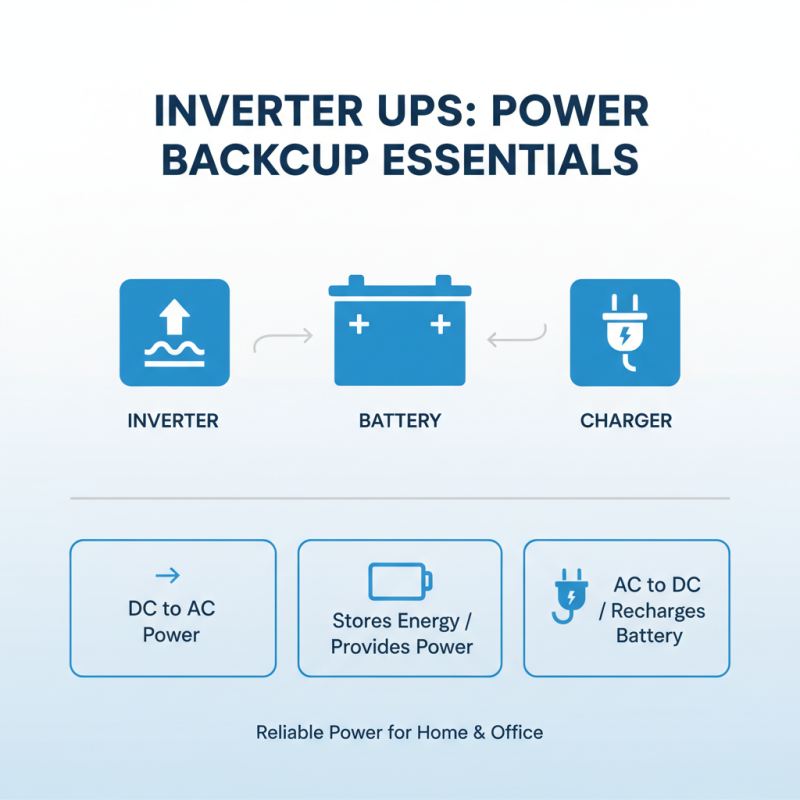
An Inverter UPS is crucial for power backup. It consists of several key components. Understanding these will clarify its operation. The main parts are the inverter, battery, and charger. Each serves a distinct purpose.
The inverter converts DC power to AC power. This process is essential for running electronic devices. A robust inverter can typically handle loads ranging from 600 VA to over 3 kVA. However, performance can vary. Some inverters may struggle under sudden high loads, leading to downtime.
The battery stores energy for use during power outages. Lead-acid batteries are common, but lithium-ion options are gaining popularity. They offer higher efficiency and longer life cycles. A reliable battery can last up to 10 years with proper maintenance. The charger ensures the battery is ready when needed. However, poor charging practices can shorten battery life. Many users overlook this, leading to unexpected failures. In conclusion, understanding these components is vital for ensuring efficiency and reliability.
How Does an Inverter UPS Work?
An Inverter UPS (Uninterruptible Power Supply) is crucial for ensuring uninterrupted power during outages. It operates by converting stored DC power from batteries into AC power, keeping sensitive equipment running smoothly. This technology is vital for homes and businesses alike, especially where data integrity is on the line.
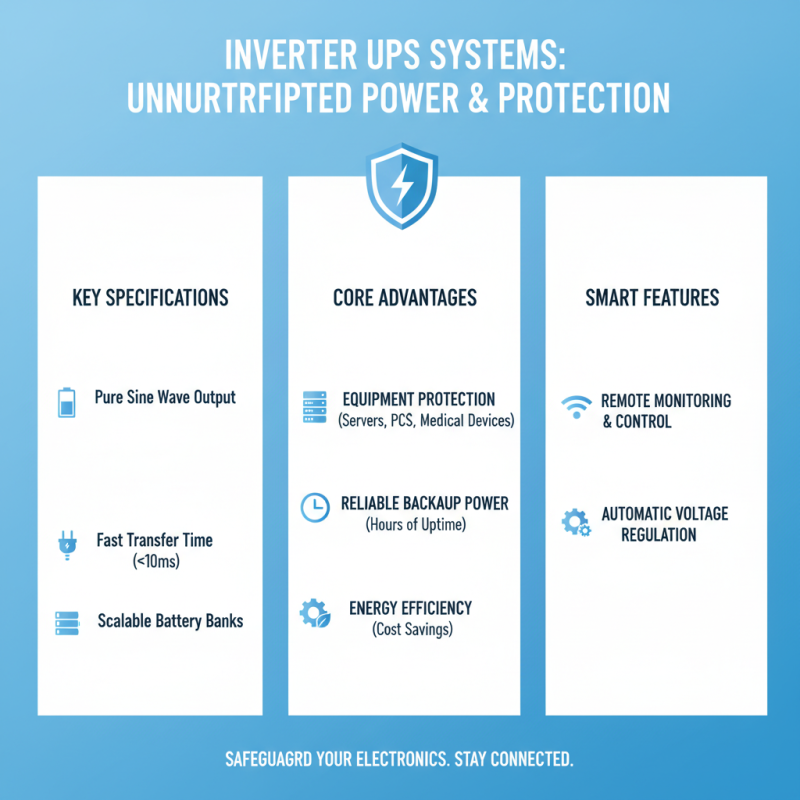
During a power failure, the inverter kicks in immediately. According to industry insights, a well-functioning UPS can switch to battery mode in less than 10 milliseconds. This rapid response minimizes downtime. A report by MarketsandMarkets states that the global UPS market is projected to grow by 6% annually, reflecting increasing reliance on these systems for power resilience.
However, not all Inverter UPS systems are created equal. Some may struggle with load handling, leading to inefficiencies. For instance, if overloaded, a UPS can shut down, risking data loss. Regular maintenance is often overlooked, leaving users vulnerable. It's essential to evaluate the efficiency ratings and replacement history of batteries. One must also consider the environment where the UPS operates, as temperature and humidity can affect performance.
Power Output Comparison of Inverter UPS Systems
This bar chart illustrates the power output capabilities of various Inverter UPS ratings. As the ratings increase, the power output also increases, providing essential backup energy during power outages.
Advantages of Using an Inverter UPS
Inverter UPS systems have become essential in safeguarding sensitive electronic equipment. They provide a reliable power source during outages. Many users appreciate their specifications; however, some overlook key advantages.
One significant benefit is the efficiency of Inverter UPS systems. According to recent industry reports, these systems can achieve up to 90% efficiency. This means less energy waste and lower electricity bills. It’s an attractive feature for both residential and commercial spaces. Furthermore, they offer longer backup times compared to traditional UPS systems. Users often enjoy uninterrupted power supply without frequent recharging issues.
Tips: Regular maintenance extends life. Dust and poor airflow can lead to overheating. Check connections and clean filters monthly.
Another advantage is flexibility. Inverter UPS systems support various devices, from computers to medical equipment. Reports indicate that many businesses experience fewer disruptions with these systems. However, users should carefully assess their power needs. Overloading can lead to system failure, so knowing your requirements is crucial.
Tips: Always calculate your total wattage needs. This prevents choosing an underpowered unit. Comprehensive research on capacity can save frustrations later.
Common Applications of Inverter UPS Systems
Inverter UPS systems play a crucial role in various applications. They serve as a reliable power backup for homes and businesses. When the main power supply fails, these systems kick in seamlessly. Suddenly, lights turn on, and devices continue to operate. This immediate response is vital in critical environments. Think healthcare facilities or data centers. Here, every second counts.
Inverter UPS systems are also popular in educational institutions. Schools often rely on them to prevent unexpected disruptions. A power outage can halt classes and waste valuable time. These systems help maintain productivity during such situations. Home offices benefit from inverter UPS systems as well. Working from home depends on uninterrupted power. It's frustrating when the electricity fails unexpectedly.
Despite their benefits, inverter UPS systems require regular maintenance. Some users may overlook this, leading to reduced performance. It’s essential to check battery health and connections routinely. Neglecting this can result in failures when needed most. Users should reflect on their power needs. Choosing the right capacity is crucial for efficiency. The wrong size might lead to issues during peak demands.
What is an Inverter UPS and How Does It Work? - Common Applications of Inverter UPS Systems
| Dimension |
Specification |
Application Example |
| Input Voltage |
220V - 240V AC |
Home appliances |
| Output Voltage |
220V AC |
Computers and electronics |
| Battery Type |
Lead Acid / Lithium-ion |
Telecommunications |
| Power Rating |
500VA to 10kVA |
Medical equipment |
| Transfer Time |
< 10 ms |
Industrial applications |
| Runtime |
15 minutes to several hours |
Data centers |
| Form Factor |
Tower / Rack-mounted |
Server rooms |

 Mobile Generator