Top Benefits of Modular Power Wall for Home Energy Solutions?
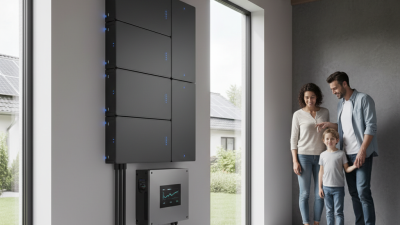
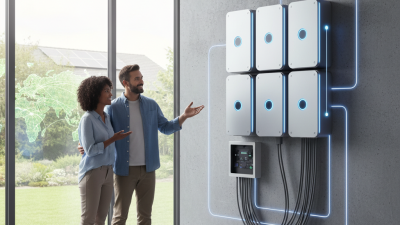
As the demand for sustainable energy solutions grows, the Modular Power Wall stands out as a groundbreaking innovation. Dr. Emily Turner, a leading energy systems expert, highlights its impact: “The Modular Power Wall offers flexibility that traditional systems can't match.” This technology enables homeowners to adapt their energy storage based on specific needs, making it an ideal choice for modern households.
The Modular Power Wall is designed to optimize energy use. It allows users to scale their storage capacity incrementally. Homeowners can start small and expand as their requirements evolve. This adaptability is crucial in a world where energy needs can change swiftly. However, selecting the right capacity can be challenging, requiring careful consideration and expert guidance.
As more individuals seek independence from traditional power grids, the Modular Power Wall represents a viable solution. It's essential to reflect on its implementation. While the benefits are clear, installation and maintenance must be approached with caution. Proper planning and support from professionals are vital to achieving the best results. Understanding these aspects can pave the way for a successful transition to modular energy solutions.
Key Features of Modular Power Walls for Residential Use
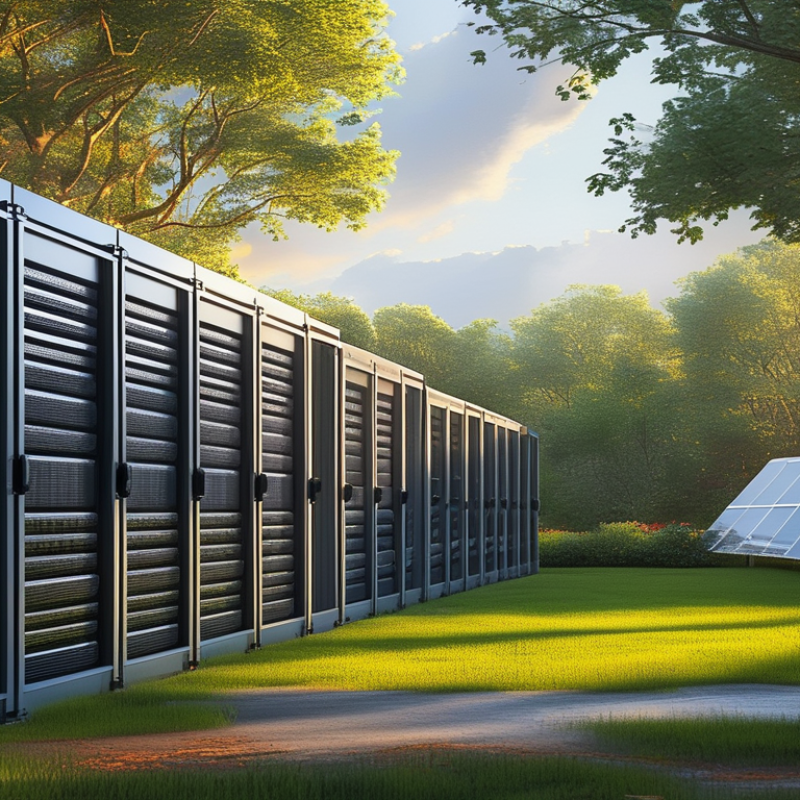
Modular power walls are revolutionizing home energy solutions. These systems are designed to store energy efficiently and are customizable for any household. One key feature is their scalability. Homeowners can start with a small unit and expand as their energy needs grow. This flexibility caters to various energy consumption levels.
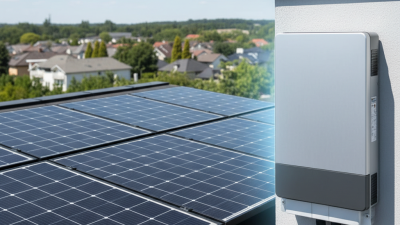
Another significant aspect is their ability to integrate with renewable energy sources. Many modular power walls can work seamlessly with solar panels. This allows homeowners to store excess energy generated during sunny days for use during cloudy periods or nighttime. This capability enhances energy independence.
Despite their benefits, some challenges exist. Installation can be complex and requires professional help. Additionally, initial costs may be a barrier for many homeowners. Ongoing maintenance is also necessary to ensure optimal performance. Evaluating these factors is crucial before deciding on a modular power wall system.
Energy Efficiency Benefits of Modular Power Walls
Modular power walls are revolutionizing home energy solutions, enhancing energy efficiency. These systems store energy generated from renewable sources. Homeowners can significantly reduce reliance on the grid. With modular designs, customization is easy, fitting different energy needs and spaces.
One notable benefit is load shifting. This allows homeowners to use stored energy during peak times, reducing costs. Additionally, modular power walls offer scalability. If energy needs change, additions or adjustments can be made seamlessly. This flexibility is crucial for evolving energy demands.
Tips for improvement: Regularly monitor your energy usage to maximize efficiency. Consider installing energy-efficient appliances to complement your power wall. Implementing smart home technology can optimize energy consumption, providing even greater savings. Adapting and learning from your energy habits can lead to substantial benefits over time.
Cost Savings and Financial Incentives of Modular Power Storage
Modular power walls present significant cost savings for homeowners. By integrating these systems, families can tap into renewable energy sources. This shift not only reduces monthly electricity bills but also provides a layer of energy independence. Modular systems allow users to customize storage according to their needs, maximizing efficiency.
Financial incentives further enhance the appeal of modular power storage. Many regions offer tax credits and rebates for installing energy solutions. Some utility companies also provide incentives for using less grid power. These benefits can offset initial installation costs considerably. Individuals can see a return on investment in just a few years.
Despite the advantages, there are still challenges. The upfront costs can be daunting for some. Moreover, benefits may vary based on local regulations and energy prices. Homeowners should assess their unique situations carefully. Understanding local energy policies is vital for navigating potential savings.
Flexibility and Scalability of Modular Power Systems for Homes
Modular power systems offer remarkable flexibility for home energy solutions. Homeowners can scale their energy storage systems according to their specific needs. This adaptability allows for incremental investments. For example, a family can start with a small unit and add more modules as their energy demands grow. This feature is particularly appealing for those new to renewable energy.
These systems cater to varying power requirements. A small unit might suffice for basic needs, while larger installations support multiple appliances or home expansions. The modular approach also simplifies maintenance. Replacing or upgrading a single module is often easier than overhauling an entire system.
Challenges may arise, such as ensuring compatibility between modules. Homeowners need to research this aspect. Varied performance levels can lead to inefficiencies. Yet, the long-term benefits often outweigh these concerns. The capacity to customize energy storage will likely enhance overall satisfaction with home energy solutions. This flexibility draws a growing number of individuals towards modular systems.
Environmental Impact and Sustainability of Modular Energy Solutions
The environmental impact of modular energy solutions cannot be overlooked. These systems offer significant benefits in reducing carbon footprints for homeowners. By harnessing renewable energy sources, they minimize reliance on fossil fuels. This characteristic alone makes modular power walls attractive to eco-conscious consumers.
In addition, modular power walls enhance energy efficiency. They store excess energy generated during peak production times, like sunny afternoons. Later, this energy can be used during high-demand periods, such as evenings. This not only optimizes energy use but also decreases the strain on local power grids.
However, challenges remain. Not every household can accommodate the installation of such systems due to space limitations or initial costs. Additionally, the production process for modular units raises questions about material sourcing and waste management. Ongoing research is needed to address these issues and improve the overall sustainability of these energy solutions.

 Mobile Generator