Top Smart Energy Storage Generators for Efficient Power Solutions?
The transition to renewable energy is transforming the power landscape. Smart Energy Storage Generators play a pivotal role in this shift. According to industry reports, the global energy storage market is projected to reach $546 billion by 2035. This surge is driven by the need for efficient energy management and reliability.
These generators enable users to store excess energy generated from sources like solar and wind. This stored energy can be used during peak demand times. More than 80% of energy storage systems are implemented in residential and commercial applications. Yet, the adoption rate still lags behind expectations. Efficiency and cost-effectiveness remain significant concerns for potential users.
Emerging technologies and innovations are addressing these challenges. For instance, advanced lithium-ion batteries now offer increased lifespan and performance. However, integration into existing energy systems can be complex. As the industry evolves, it's essential to revisit these systems. They must become more user-friendly and affordable. The journey towards smart energy solutions is ongoing, with many challenges ahead.
Overview of Smart Energy Storage Technologies
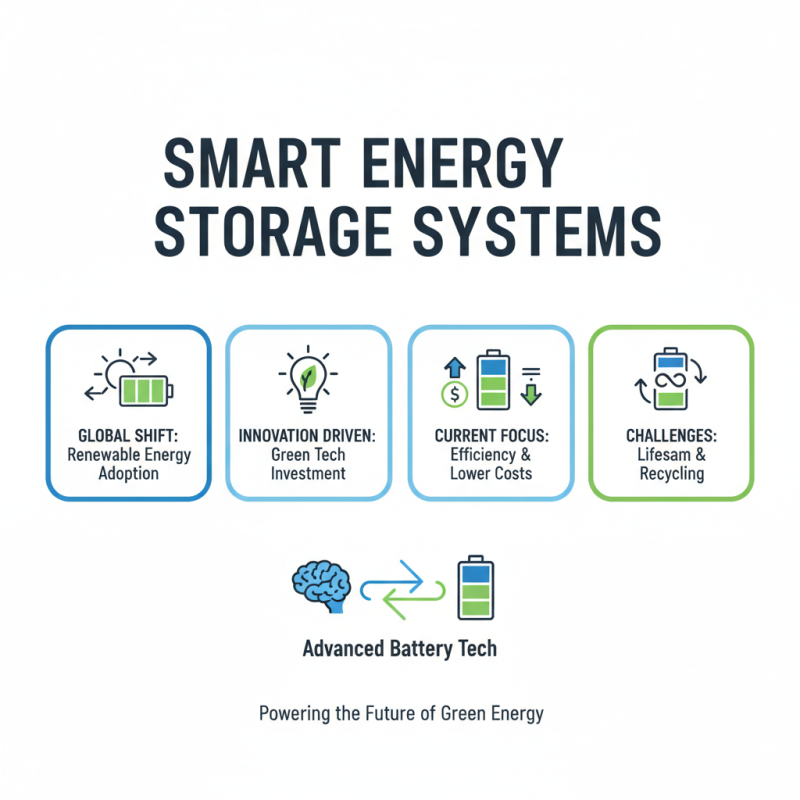
Smart energy storage technologies are changing how we approach power solutions. These systems enable efficient energy management. They capture excess energy during low demand and release it during peak times. This reduces reliance on traditional power grids. Such technologies include batteries, flywheels, and thermal storage. Each has unique benefits and challenges.
Batteries are popular for their compact size and versatility. They can be used at home or in larger settings. However, their lifespan and recycling options need improvement. Flywheels offer rapid energy discharge. They are durable but can be costly to implement. Thermal storage uses heat to store energy, adding a different dynamic. Its potential is often overlooked due to initial investment concerns.
Implementing these technologies requires careful planning. Businesses and homeowners may face challenges in integration. Understanding energy patterns is crucial. Many find it hard to predict demand accurately. This can lead to suboptimal storage use. Despite these hurdles, the shift towards smart energy storage is essential for a sustainable future.
Key Features and Benefits of Smart Energy Storage Generators
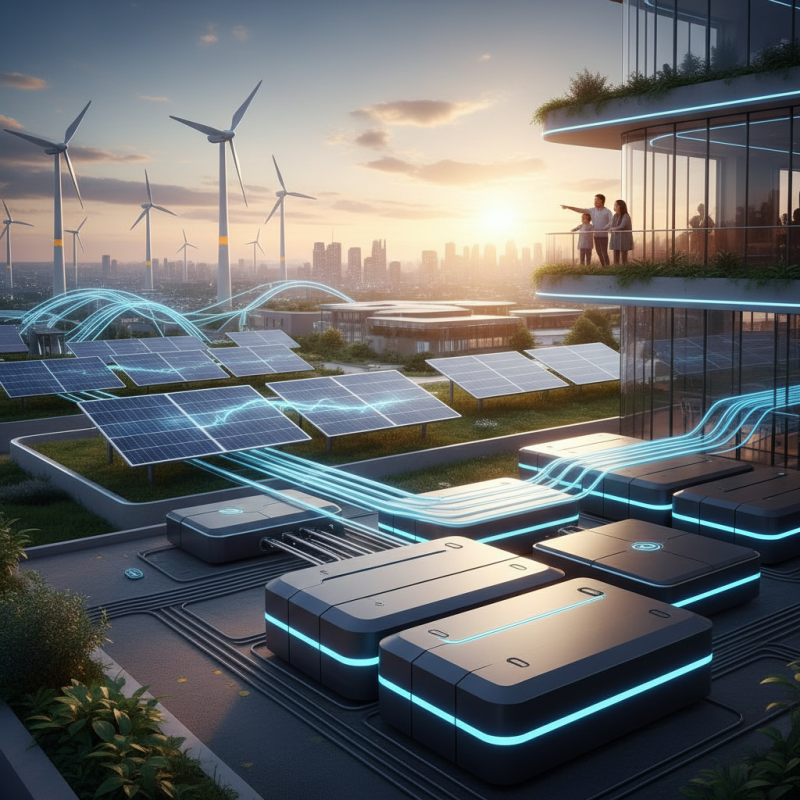
Smart energy storage generators are transforming how we manage power. They provide crucial backup during outages and help reduce energy bills. These systems store energy when it is abundant and release it when needed. This function is essential for homes and businesses alike. They are ideal for integrating renewable energy sources, such as solar and wind.
Key features of smart energy storage generators include advanced monitoring systems. These systems analyze usage patterns and optimize performance. Many units offer mobile access, allowing users to control power remotely. This feature adds convenience but can also lead to over-reliance on technology. Furthermore, some generators have varying capacity options to fit different needs. However, those who seek larger storage might face higher costs.
The benefits are substantial, but challenges exist too. Efficient energy usage can result in significant savings. A well-sized system can also increase property value. Yet, installation and maintenance can be complex. Users may struggle to adapt to new systems effectively. Evaluating energy needs properly is essential to avoid over-purchasing or underutilizing these units.
Top Smart Energy Storage Generators: Key Features and Benefits
Top Smart Energy Storage Generators in the Market Today
In today's energy landscape, smart energy storage generators are crucial for efficient power solutions. A recent industry report highlights that the global energy storage market is projected to grow by over 30% annually, reaching a staggering $200 billion by 2025. This surge is driven by the increasing demand for renewable energy integration and the need for grid stability.
Today’s leading energy storage solutions focus on lithium-ion and flow battery technologies. These systems offer high efficiency, rapid response times, and advanced management capabilities. For example, many systems can achieve over 90% round-trip efficiency. However, challenges remain. High initial costs and environmental concerns related to material sourcing continue to raise questions.
While advancements are promising, not all solutions are perfectly suited for every application. Some technologies may perform poorly in extreme temperatures. Additionally, limited recycling capabilities pose environmental risks. It’s essential to weigh these imperfections against the increasing demand for cleaner energy sources. Ultimately, continued innovation is needed to address these issues while meeting our energy needs efficiently.
Top Smart Energy Storage Generators for Efficient Power Solutions
| Model |
Capacity (kWh) |
Power Output (kW) |
Type |
Smart Features |
Warranty (Years) |
| Model A |
10 |
5 |
Lithium-ion |
Remote Monitoring, AI Optimization |
10 |
| Model B |
15 |
7 |
Lead Acid |
Mobile App Control, Scheduling |
5 |
| Model C |
20 |
10 |
Lithium Iron Phosphate |
Grid Integration, Real-time Data |
15 |
| Model D |
30 |
15 |
Solid State |
Home Energy Management, Alerts |
12 |
Applications of Smart Energy Storage in Various Sectors
Smart energy storage solutions are transforming various sectors. In renewable energy, these systems enhance efficiency. They store surplus energy generated from solar and wind sources. This stored power can be used during peak hours. It minimizes the reliance on non-renewable sources. However, energy loss during charging and discharging remains a concern.
In commercial settings, energy storage systems can adjust power usage. Businesses can run operations more smoothly. This technology can help in managing energy costs. Organizations are finding ways to utilize these systems. Still, issues with initial investments and maintenance persist.
Homes are also benefiting from smart energy storage. Families can power their appliances at night when electricity rates are lower. Some homeowners even sell excess energy back to the grid. But not everyone has the resources for these systems. Accessibility can hinder widespread adoption. Overall, smart energy storage shows promise, yet challenges remain.

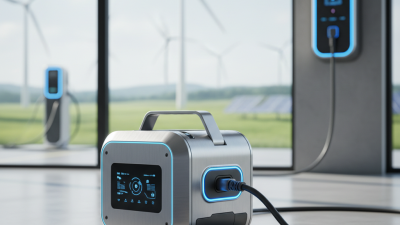
 Mobile Generator