
 Mobile Generator
Product


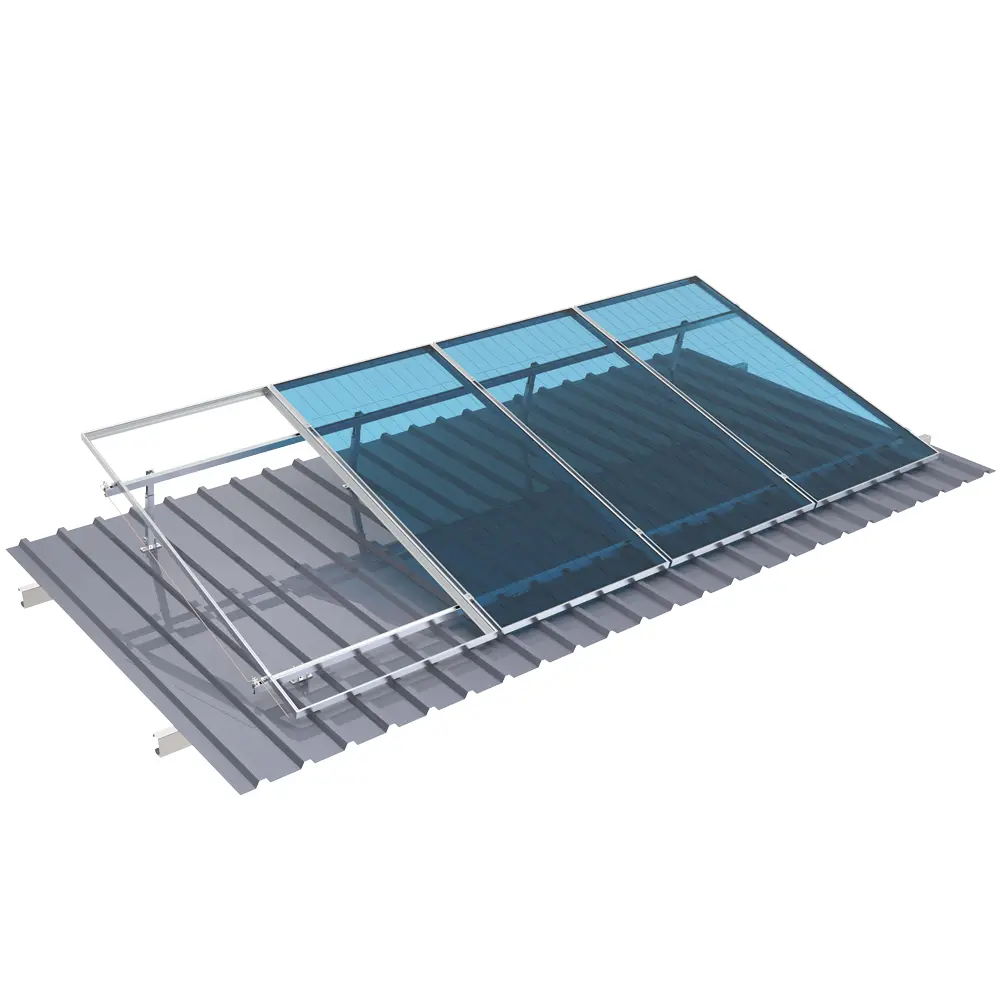
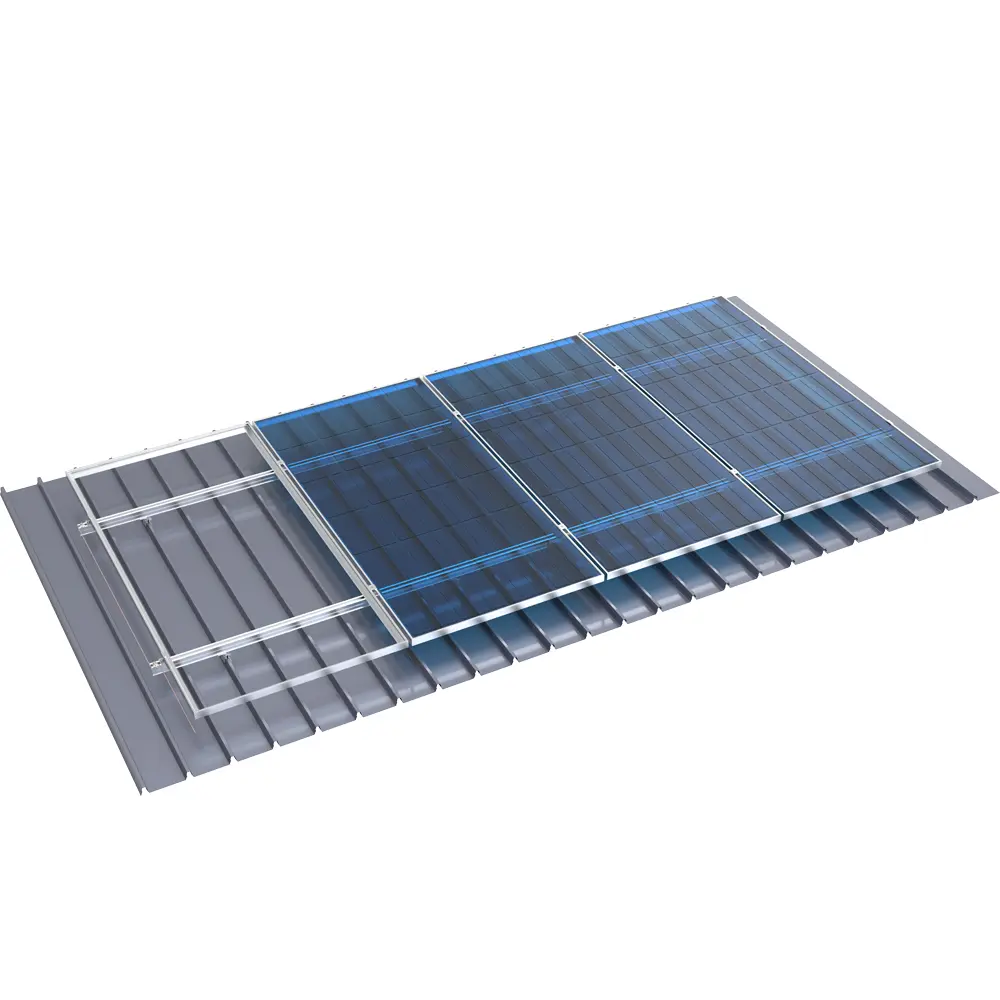
High-quality and environmentally friendly Solar panel
PRODUCT DESCRIPTION
High-Quality and Environmentally Friendly Solar Panels
Solar panels stand as a cornerstone of modern renewable energy technology, seamlessly converting sunlight into clean, usable electricity. These advanced devices not only embody technological innovation but also serve as a pivotal solution for addressing global energy demands while mitigating environmental impacts.
Efficient Energy Conversion: A Leap in Technological Excellence
At the core of solar panels lies their remarkable ability to transform solar radiation into electrical energy with steadily improving efficiency. Leveraging cutting-edge materials such as monocrystalline silicon, polycrystalline silicon, or thin-film technologies, today's panels achieve conversion rates that far exceed earlier models. For instance, premium monocrystalline panels now routinely surpass 22% efficiency, meaning they can capture over a fifth of the sunlight striking their surface and convert it into usable power. This progress is driven by ongoing research into nanoscale coatings, better cell architecture, and adaptive tracking systems that allow panels to follow the sun's trajectory, maximizing energy harvest throughout the day. Such efficiency ensures minimal waste and optimal energy production, making solar panels an increasingly viable alternative to traditional fossil fuel-based power sources.
Durability and Low Maintenance: Built for Long-Term Performance
Engineered to endure the harshest outdoor environments, high-quality solar panels feature robust constructions that resist corrosion, extreme temperatures, and mechanical stress. Their tempered glass surfaces are coated with anti-reflective and anti-UV layers to prevent degradation from sunlight exposure, while aluminum frames provide structural rigidity and resistance to wind (capable of withstanding speeds up to 240 km/h) and heavy snow loads (supporting over 5,400 Pa). Additionally, modern panels are designed with hermetically sealed junctions and waterproof connectors, minimizing the risk of moisture damage. Thanks to these advancements, solar panels require little more than occasional cleaning to remove dust or debris, eliminating the need for frequent repairs or component replacements. This low-maintenance design not only reduces operational costs but also ensures consistent performance over decades.
Versatile Applications: Adapting to Diverse Energy Needs
The flexibility of solar panels makes them suitable for an array of settings, from small-scale residential use to large industrial installations. In residential contexts, homeowners can install panels on rooftops to generate electricity for household needs, significantly reducing monthly utility bills while contributing to a greener lifestyle. Commercial buildings, such as offices, hotels, and retail centers, benefit from larger solar systems that offset a substantial portion of their energy consumption, enhancing sustainability credentials and long-term cost savings. On an industrial scale, massive solar farms spanning thousands of acres produce grid-scale electricity, providing clean power to entire communities. Beyond traditional setups, solar panels are also integrated into remote off-grid systems, powering telecommunication towers, rural clinics, and agricultural equipment in regions with limited access to centralized power grids.
Environmentally Friendly: A Catalyst for Carbon Neutrality
Perhaps the most compelling advantage of solar panels is their role in combating climate change. By generating electricity without burning fossil fuels, they produce zero greenhouse gas emissions, helping reduce humanity's carbon footprint. A typical residential solar system can offset approximately 3-4 tons of CO₂ annually—equivalent to planting 100 trees or taking a gasoline-powered car off the road for 10,000 miles. As governments worldwide set ambitious net-zero emissions targets, solar energy becomes indispensable in transitioning to a low-carbon economy. Moreover, the manufacturing process of modern panels has become increasingly eco-friendly, with recycling programs recovering up to 90% of materials like silicon, glass, and aluminum, ensuring minimal waste at the end of their lifecycle.
Long Lifespan: A Sound Long-Term Investment
High-quality solar panels are built to last, with a typical operational lifespan of 25 to 30 years. Most manufacturers offer performance warranties guaranteeing at least 80% efficiency after 25 years, underscoring their reliability. This longevity makes them a smart investment, as they continue generating cost-free electricity long after the initial installation costs are recouped. Unlike finite fossil fuel resources, sunlight is an inexhaustible energy source, ensuring that panels provide consistent returns throughout their life cycle. As technology continues to advance, even older panels can be upgraded with modern inverters or monitoring systems to enhance performance, further extending their utility.
In summary, high-quality, environmentally friendly solar panels represent a fusion of engineering excellence and ecological responsibility. With their efficient energy conversion, rugged durability, versatile applications, and long-term sustainability, they offer a practical and forward-looking solution for meeting global energy needs while preserving the planet for future generations. As the world accelerates its transition to renewable energy, solar panels stand as a testament to human innovation and our commitment to a cleaner, greener future.