
 Mobile Generator



100kW Energy Storage Generators: Industry Impact

The expansion of 100kW energy storage generators signals a shift in the energy industry. These systems support faster adoption of advanced solutions. > Companies now see immediate benefits in market growth and improved operations. This change drives innovation and creates new opportunities for energy providers.
Key Takeaways
- 100kW energy storage generators offer reliable, cost-effective power solutions for small to mid-sized businesses and support renewable energy projects.
- These systems improve grid stability and flexibility by quickly responding to power demands and storing excess renewable energy for later use.
- Clear policies, technological advances, and new business models are driving growth, but challenges like regulations and costs still require careful planning and collaboration.
Generators at the 100kW Scale: Market Position and Impact
Market Fit for 100kW Generators
100kW generators fill a unique space in the energy market. They serve small businesses, commercial buildings, and microgrids. Many organizations choose these systems because they offer reliable backup power and support for renewable energy projects. These generators can operate in both urban and rural settings. Their size makes them easy to install and maintain.
Note: 100kW generators often provide the right balance between capacity and cost for mid-sized operations.
Facility managers and energy planners see value in these systems. They help reduce energy costs and improve resilience during outages. As a result, demand for 100kW generators continues to grow.
Comparison with Other Energy Storage Technologies
100kW generators compete with other energy storage options, such as lithium-ion batteries and flywheels. Each technology has strengths and weaknesses. The table below highlights key differences:
| Technology | Typical Use Case | Response Time | Maintenance Needs |
|---|---|---|---|
| 100kW Generators | Backup, peak shaving | Fast | Moderate |
| Lithium-ion Battery | Daily cycling | Instant | Low |
| Flywheel | Short-term backup | Very fast | Low |
Generators offer longer run times than batteries in many cases. They also handle higher power surges. However, batteries provide quicker response and lower maintenance. Decision-makers must weigh these factors when choosing the best solution.
Key Drivers of 100kW Generators Expansion
Policy and Regulatory Momentum
Government policies now encourage the use of clean energy. Many regions offer incentives for installing energy storage systems. These incentives lower the cost for businesses and communities. Regulators also set new standards for grid reliability. As a result, more organizations choose 100kW generators to meet these requirements.
Note: Policy support often speeds up the adoption of new technologies in the energy sector.
Technological Advances and Cost Trends
Recent improvements in battery chemistry and control systems make energy storage more reliable. Manufacturers now produce systems that last longer and need less maintenance. Costs for key components continue to fall each year. This trend makes 100kW solutions more affordable for a wider range of users. Companies can now invest in these systems with greater confidence.
- Longer system life
- Lower maintenance needs
- Reduced upfront costs
Market Demand and Emerging Use Cases
Demand for flexible power solutions grows in many industries. Hospitals, data centers, and schools need backup power to avoid disruptions. Microgrids and remote sites also benefit from 100kW energy storage. These generators support renewable energy projects by storing excess power for later use. New business models now make it easier for customers to access these solutions.
Opportunities from 100kW Generators Expansion

Grid Stability and Flexibility
100kW energy storage systems help stabilize the grid. They can respond quickly to changes in electricity demand. Utilities use these systems to balance supply and demand during peak hours. This action prevents blackouts and keeps the grid reliable. Operators can also use these systems to provide frequency regulation. This service helps maintain the correct power quality across the network.
Tip: Grid operators often choose 100kW systems for their ability to deliver fast and flexible support during emergencies.
These systems also allow for more flexible grid operations. Utilities can shift energy use to off-peak times. This approach reduces stress on the grid and lowers costs for everyone.
Renewable Energy Integration
Renewable energy sources like solar and wind produce power at different times of the day. Sometimes, they generate more electricity than needed. 100kW energy storage systems store this extra energy. Later, they release it when demand rises or when the sun is not shining.
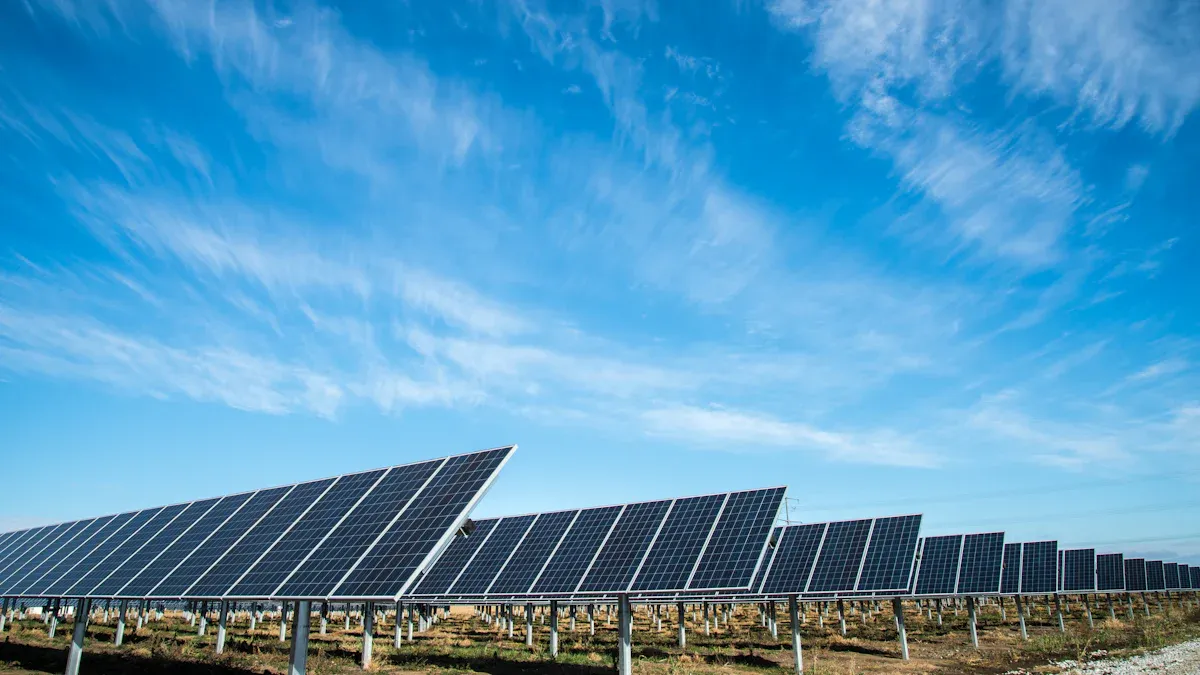
- Solar farms use storage to save energy during the day.
- Wind projects store power during windy periods for use at night.
- Communities with microgrids rely on storage to keep lights on during outages.
These systems make it easier to use more renewable energy. They help reduce the need for fossil fuels and lower carbon emissions. Many project developers see 100kW storage as a key tool for meeting clean energy goals.
New Business Models and Services
The growth of 100kW energy storage opens the door to new business models. Companies now offer energy-as-a-service, where customers pay for reliable power instead of owning equipment. This model lowers the upfront cost for businesses and schools.
Some service providers use 100kW systems to create virtual power plants. They connect many small systems to act like one large power source. This setup allows them to sell energy back to the grid or provide backup during emergencies.
| Business Model | Description | Benefit |
|---|---|---|
| Energy-as-a-Service | Customers pay for power, not equipment | Lower upfront costs |
| Virtual Power Plant | Many small systems act as one large source | Extra revenue, grid support |
| Demand Response | Reduce use during peak times | Cost savings, grid stability |
Note: New services built around 100kW storage systems help businesses save money and improve energy reliability.
These opportunities show how 100kW energy storage systems change the way people use and manage electricity. They create value for utilities, businesses, and communities.
Challenges Facing 100kW Generators
Regulatory and Permitting Barriers
Many companies face strict rules when they try to install 100kW energy storage systems. Local governments often require permits before any work can begin. These permits can take a long time to get. Some areas have unclear rules about energy storage. This confusion slows down projects and increases costs.
Note: Clear and simple rules help companies build new energy projects faster.
Some regions also set limits on how much energy a single site can store. These limits make it hard for businesses to use the full power of their systems. Companies must work closely with local officials to understand all requirements. They often need to hire experts to help with paperwork and inspections.
Financial and Investment Hurdles
The cost of buying and installing 100kW energy storage systems remains high for many users. Small businesses and schools may not have enough money to pay for these systems upfront. Banks and investors sometimes see energy storage as a risky investment. They worry about new technology and changing rules.
A few common financial challenges include:
- High upfront costs for equipment and installation
- Uncertainty about long-term savings
- Limited access to loans or grants
Some companies offer payment plans or leasing options. These options help more customers afford new systems. Still, many users need more support to make these projects possible.
Technological and Operational Constraints
100kW energy storage systems use advanced technology. These systems must work well with other equipment, like solar panels or backup generators. Sometimes, the technology does not match up. This mismatch can cause problems during installation or operation.
Operators must also keep the systems running safely. They need to check batteries, control systems, and wiring often. If something breaks, repairs can take time and cost money. Some areas do not have enough trained workers to fix these systems quickly.
Tip: Regular training and clear instructions help operators avoid common problems.
Weather and temperature changes can also affect how well the systems work. Extreme heat or cold may lower the system’s performance. Companies must plan for these challenges to keep their energy storage running smoothly.
Actionable Insights for Industry Stakeholders
Strategies for Utilities and Project Developers
Utilities and project developers can unlock new value by adopting a proactive approach. They should assess local energy needs and identify sites where 100kW energy storage fits best. Many teams find success by working with community leaders and business owners. This collaboration helps match solutions to real-world problems.
Developers often benefit from using modular systems. These systems allow for easy scaling as demand grows. Utilities can also use data analytics to monitor performance and predict maintenance needs. This approach reduces downtime and improves reliability.
Tip: Early engagement with regulators and local officials can speed up project approvals and reduce unexpected delays.
Considerations for Policymakers and Investors
Policymakers play a key role in shaping the future of energy storage. They can create clear rules and offer incentives that encourage adoption. Simple permitting processes help more projects move forward. Policymakers should also support workforce training programs. These programs ensure enough skilled workers can install and maintain new systems.
Investors should look for projects with strong business cases and proven technology. They can reduce risk by choosing partners with experience in energy storage. Many investors also review long-term service agreements to protect their investments.
Note: Clear policies and strong partnerships help both policymakers and investors drive growth in the energy storage sector.
Industry Outlook for 100kW Generators
Future Trends and Market Growth
Industry experts expect strong growth for 100kW energy storage systems in the next few years. Many companies plan to invest in these solutions as technology improves. New markets open up as more businesses look for reliable backup power. Analysts predict that the demand for mid-sized generators will rise in both urban and rural areas.
Manufacturers continue to develop smarter control systems. These systems help users manage energy more efficiently. Some companies now offer remote monitoring and predictive maintenance. This trend reduces downtime and increases system life.
Market research shows that 100kW energy storage will play a key role in supporting renewable energy projects and microgrids.
Long-Term Implications for the Energy Storage Sector
The expansion of 100kW systems shapes the future of the energy storage sector. These generators help bridge the gap between small-scale and large-scale solutions. Utilities and businesses gain more flexibility in how they use and store energy.
Over time, more communities will rely on distributed energy resources. This shift supports a cleaner and more resilient power grid. Companies that adopt 100kW storage early may gain a competitive advantage.
- Increased grid stability
- Greater use of renewable energy
- New business opportunities
The industry will likely see more partnerships between technology providers and utilities. These collaborations drive innovation and improve service for end users.
The expansion of 100kW energy storage brings new opportunities for energy providers and communities. Industry participants gain better grid stability and more ways to use renewable energy. Stakeholders should watch for new trends and prepare for changes in technology and policy.
FAQ
What is a 100kW energy storage generator?
A 100kW energy storage generator stores electricity and delivers up to 100 kilowatts of power. Many businesses use these systems for backup and renewable energy support.
How long can a 100kW generator provide power?
The duration depends on the system’s storage capacity. Some units supply power for several hours. Users should check the manufacturer’s specifications for exact details.
Tip: Always size the system based on your facility’s energy needs.
Are 100kW energy storage generators safe to use?
Manufacturers design these systems with safety features. Regular maintenance and proper installation help ensure safe operation in commercial and industrial settings.