
 Mobile Generator




3 Easy Solar Steps for Off-Grid Living in 2025
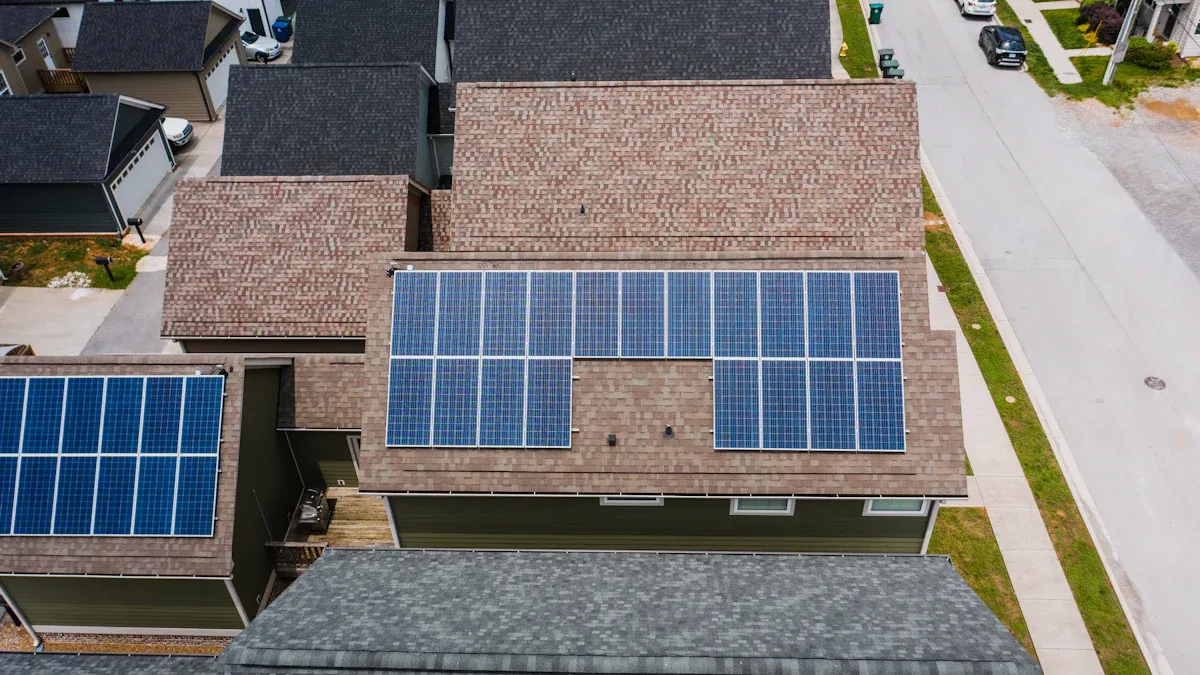
Ready to break free from the grid? You can take control of your power with a solar setup. Imagine flipping a switch and knowing you made your own energy. It feels good, right? Anyone can do this with the right tools and a little know-how.
Key Takeaways
- Assess your power needs by listing essential appliances and calculating their daily energy usage. This helps you understand how much solar power you require.
- Choose the right solar equipment, including efficient solar panels and reliable batteries. Ensure your system can handle your energy needs and consider future expansions.
- Follow simple installation and maintenance tips to keep your solar system running smoothly. Regular checks and cleaning will ensure long-term reliability and performance.
Solar Step 1: Assess Your Power Needs
List Essential Appliances
Start by making a list of the things you use every day. Think about what you really need when you live off the grid. Here are some common essentials:
- Refrigerator
- Lights
- Phone charger
- Laptop
- Water pump
- Fans
Write down each item. This step helps you see what matters most. You might find you can live without some things. Less stuff means less power needed.
Calculate Daily Energy Usage
Now, figure out how much energy your appliances use. Look for a sticker or label on each device. It usually shows the watts. If you cannot find it, check the manual or search online.
Tip: Multiply the watts by the hours you use the item each day. For example, if your fridge uses 100 watts and runs for 10 hours, that’s 1,000 watt-hours.
Make a table like this:
| Appliance | Watts | Hours Used | Total Watt-Hours |
|---|---|---|---|
| Refrigerator | 100 | 10 | 1,000 |
| Lights | 10 | 5 | 50 |
Add up all the totals. This number shows how much solar power you need each day.
Choose the Right System Size
You know your daily energy needs. Now, pick a solar system that matches. Always choose a system a bit bigger than your total. This gives you extra power for cloudy days or new gadgets.
Solar kits often show how much energy they make. Check the numbers and compare them to your needs. You want a system that keeps your lights on and your phone charged, no matter what.
Solar Step 2: Select and Source Your Equipment
You know how much power you need. Now, it’s time to pick the right gear. This step is fun because you get to choose the parts that will make your off-grid dream work.
Pick Solar Panels for 2025
Solar panels are the heart of your system. In 2025, you have more choices than ever. New panels work better and last longer. You want panels that fit your space and budget.
- Look for panels with high efficiency. These give you more power from less sunlight.
- Check the warranty. Good panels often come with a 25-year warranty.
- Think about size. Some panels are big, but you can find compact ones for small roofs or cabins.
Tip: Monocrystalline panels usually give you the best performance for off-grid living.
Here’s a quick table to help you compare:
| Panel Type | Efficiency | Lifespan | Best For |
|---|---|---|---|
| Monocrystalline | High | 25+ yrs | Small spaces |
| Polycrystalline | Medium | 20+ yrs | Larger budgets |
| Thin-film | Low | 10+ yrs | Portable setups |
Choose panels that match your needs and your location. If you live where it’s cloudy, pick panels that work well in low light.
Choose Reliable Batteries and Storage
Batteries store the energy your panels make. You need good batteries to keep your lights on at night or during storms. In 2025, lithium batteries are the top choice for most people.
- Lithium batteries last longer and charge faster than old lead-acid types.
- They are lighter and safer.
- You can stack them to add more storage as your needs grow.
Note: Always check the battery’s capacity. Make sure it can hold enough power for at least one or two days without sun.
Some people use a mix of batteries for backup. You might start small and add more later. That’s okay! Just make sure your storage matches your daily energy use.
Find the Right Inverter and Accessories
The inverter changes the power from your batteries into electricity you can use. You need an inverter that matches your system size and the type of appliances you want to run.
- Pure Sine Wave Inverters work best for sensitive electronics like laptops and TVs.
- Check the watt rating. Pick an inverter that can handle your biggest appliance.
- Some inverters come with built-in chargers or smart features.
Don’t forget the small stuff! You’ll need cables, fuses, and mounting racks. These parts keep your system safe and running smoothly.
Safety First: Always use the right size wires and fuses. This keeps your system safe and helps it last longer.
When you pick the right solar equipment, you set yourself up for success. Take your time, compare options, and ask questions if you get stuck. You’re building something amazing!
Solar Step 3: Install and Maintain Your System
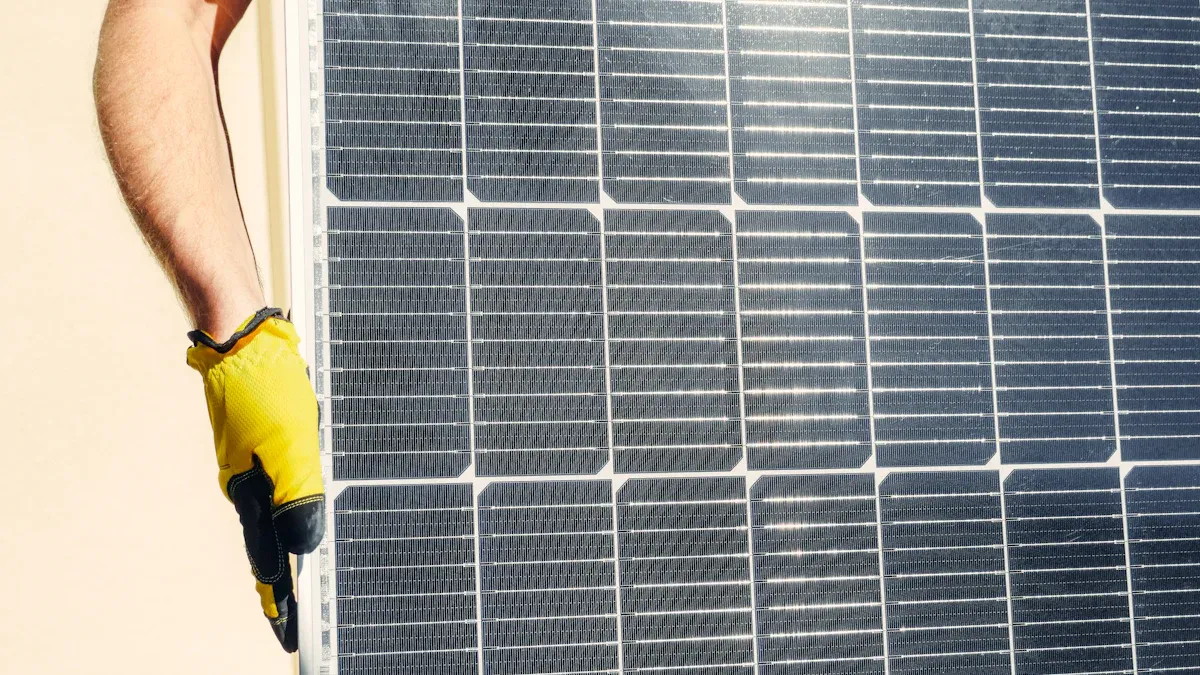
Simple Installation Tips
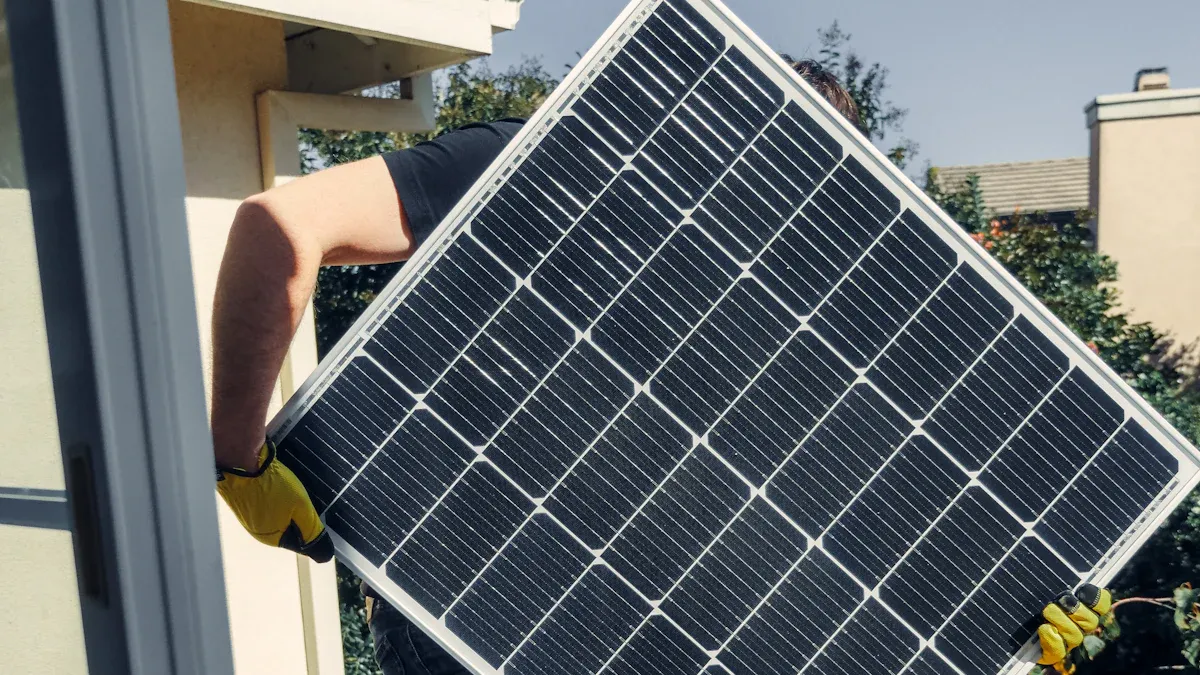
You have your gear ready. Now, let’s get it set up! Start by picking a sunny spot for your panels. Face them south if you live in the U.S. This helps you catch the most sunlight. Use a sturdy rack or mount. Make sure nothing blocks the sun, like trees or buildings.
Here’s a quick checklist to keep things simple:
- Lay out all your parts before you start.
- Read the instructions for each piece.
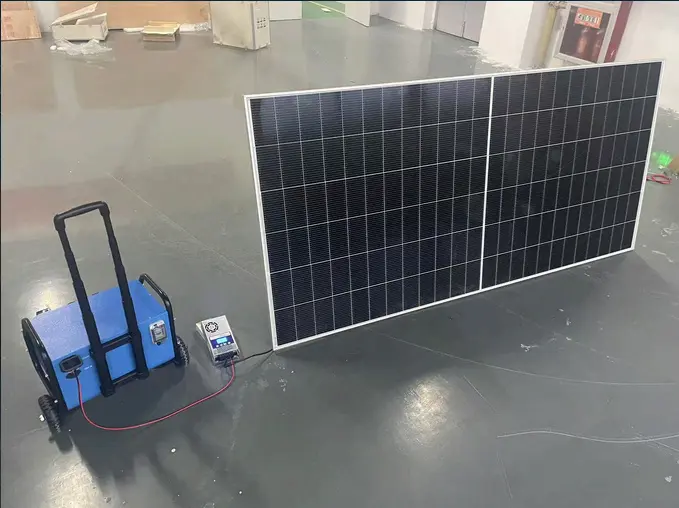
- Connect panels to the charge controller first.
- Hook up your batteries next.
- Finish by wiring the inverter.
Tip: Take photos as you go. If you need help later, you can show someone exactly what you did.
Safety and Setup Checks
Safety matters. You want your system to run smoothly and keep you safe. Always turn off power before you connect wires. Wear gloves and safety glasses. Double-check every connection. Loose wires can cause problems.
Use this table to track your safety checks:
| Step | Done? |
|---|---|
| Power off | ☐ |
| Gloves on | ☐ |
| Wires tight | ☐ |
| Fuses in place | ☐ |
If you feel unsure, ask a friend or a pro for help. It’s better to be safe than sorry.
Easy Maintenance for Long-Term Use
Keep your solar system working for years with simple care. Clean your panels every few months. Dust and leaves block sunlight. Check your batteries once a month. Look for leaks or swelling. Test your inverter and wires twice a year.
Note: Write down each check in a notebook. This helps you spot problems early and keeps your system strong.
A little effort goes a long way. You’ll enjoy reliable power and peace of mind.
You just learned three easy solar steps for off-grid living in 2025. Start small, trust yourself, and enjoy the freedom solar brings. 🌞 You can power your life, save money, and help the planet. Ready to take the first step? Your solar journey starts now!
FAQ
How long does it take to install a solar system?
You can finish most small setups in one day. Larger systems might take a weekend. Read instructions and ask for help if you need it.
What happens if it’s cloudy for several days?
Your batteries store extra power for cloudy days. You can add more batteries for longer backup. Check your battery levels often.
Can I add more panels later?
Yes, you can expand your system. Just make sure your inverter and batteries can handle the extra power. Many kits let you upgrade easily.