
 Mobile Generator



50kW Industrial Solar Generators: Powering Remote Mining Operations
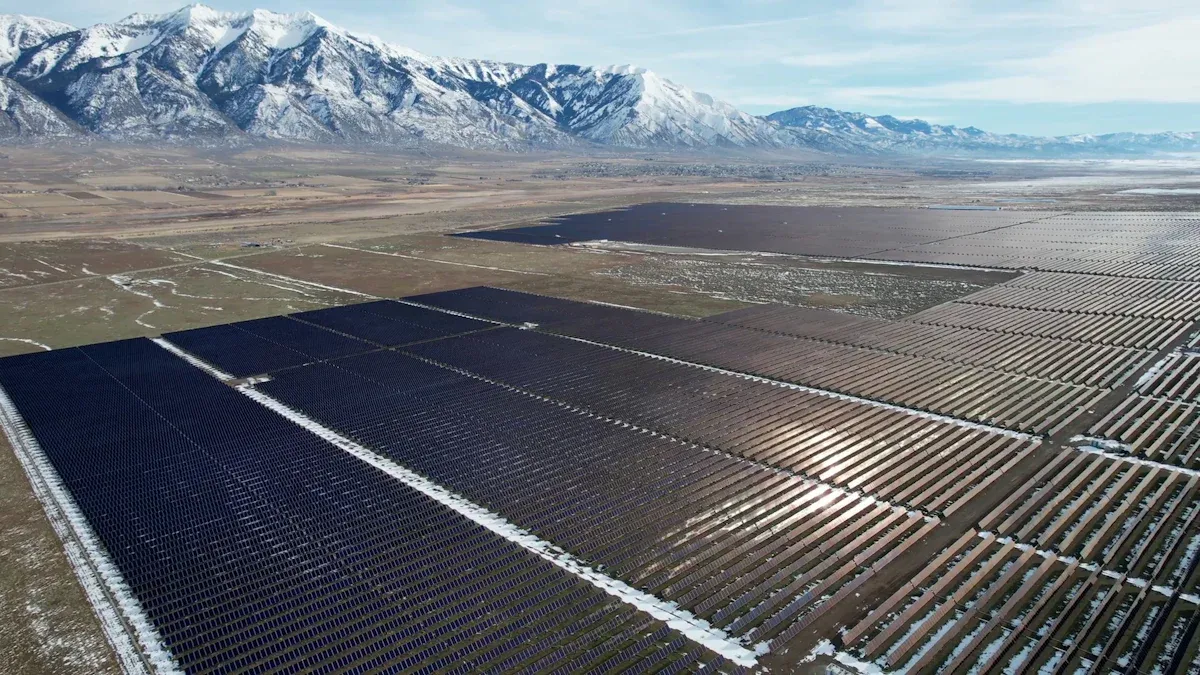
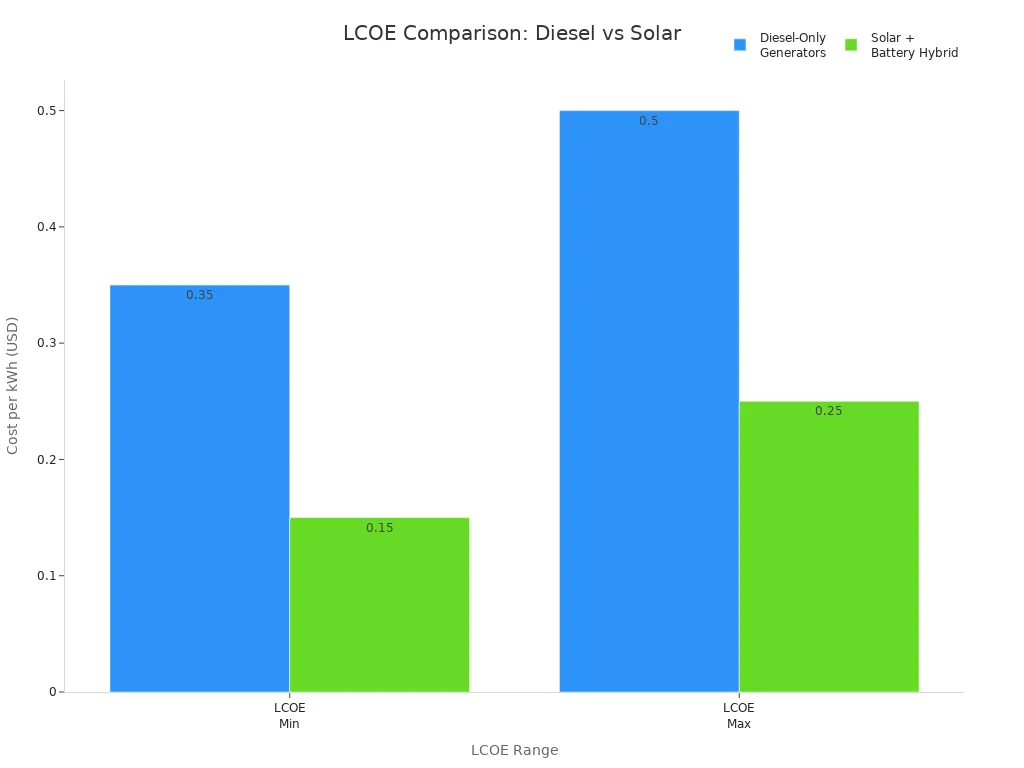
Industrial 50kW solar generators deliver reliable, off-grid power to remote mining operations. These systems dramatically reduce diesel use and ongoing fuel costs. Mining operators see lower emissions and fewer fuel deliveries, as shown below:
| Aspect | Diesel-Only Generators | Solar + Battery Hybrid System |
|---|---|---|
| Fuel Cost | High | Near zero |
| Maintenance | Frequent | Low |
| Emissions | High | Near zero |
Key Takeaways
- 50kW industrial solar generators provide reliable, clean power for remote mining sites, cutting fuel costs and emissions significantly.
- Hybrid solar systems combine solar panels, batteries, and backup diesel to ensure continuous operation and reduce dependence on fuel deliveries.
- Proper installation, regular maintenance, and smart planning help mining operators maximize savings and keep systems running smoothly in tough environments.
Industrial 50kW Solar Generators for Remote Mining
What Is a 50kW Industrial Solar Generator?
A 50kW industrial solar generator is a robust, off-grid power solution designed for demanding environments like remote mining sites. These systems use solar panels to convert sunlight into electricity, which is then stored in batteries and delivered through a high-efficiency inverter. The inverter, often a transformer-based, three-phase unit, ensures stable and continuous power for heavy machinery and critical operations. Key technical specifications include a 50kW power rating, pure sine wave output, and advanced protections against voltage fluctuations, overloads, and extreme temperatures. The table below highlights essential features:
| Feature | Specification |
|---|---|
| Power Rating | 50kW |
| Output Phase | 3-phase 4-wire + ground |
| Efficiency | >85% (system), 93% (inverter) |
| Protections | Overload, short-circuit, over/under voltage |
| Operating Temperature | 0-40°C |
| Additional Features | Digital controls, LCD panel, maintenance bypass |
Why 50kW Capacity Suits Mining Operations
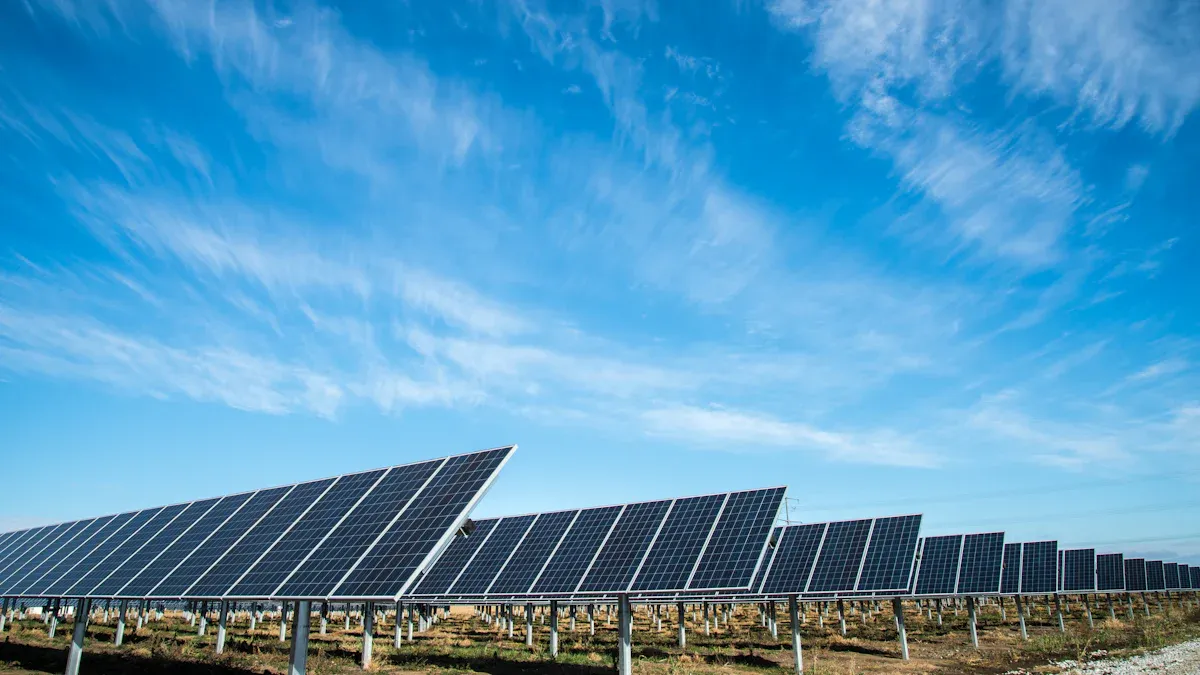
Mining operations in remote areas require reliable, continuous power for equipment such as crushers, conveyors, and lighting. A 50kW industrial solar generator meets these needs by delivering enough capacity to run essential systems while reducing reliance on diesel. Modular design allows operators to scale up as demand grows, supporting both small and expanding sites. Real-world projects, like those in Mali and Burkina Faso, show that solar hybrid systems can supply a significant portion of a mine’s energy, cut fuel costs, and lower emissions.
Key Components and System Design
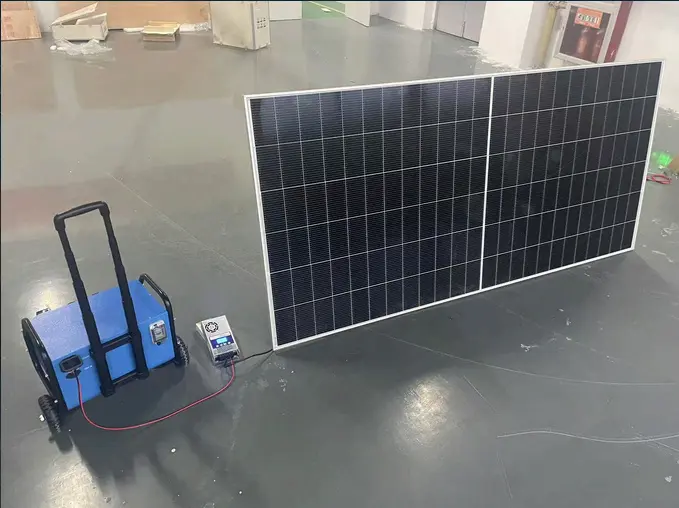
An industrial 50kW solar generator system includes several critical components:
- Solar panels for energy generation.
- Battery storage for backup and nighttime use.
- High-efficiency inverter for AC power delivery.
- Intelligent monitoring and remote control.
- Backup diesel generator for emergencies.
- Rugged mounting and weather-resistant enclosures.
- Environmental sensors for performance optimization.
Tip: Regular cleaning and maintenance of solar panels are essential in dusty mining environments to maintain optimal output.
Benefits, Operation, and Practical Considerations
Environmental Impact and Sustainability
Mining operations face increasing pressure to reduce their environmental footprint. By adopting 50kW industrial solar generators, operators achieve significant reductions in carbon emissions and support sustainability goals.
- Carbon emissions drop from approximately 0.8 kg CO₂/kWh with diesel-only generators to nearly zero during solar operation in a hybrid system.
- At the Fekola gold mine in Mali, integrating solar and battery storage with diesel generators led to a 20% reduction in carbon footprint, with up to 75% of power demand met by solar during sunny hours.
- The Granny Smith mine in Australia displaced 1.67 million liters of diesel annually, avoiding over 4,400 tons of CO₂ emissions each year.
- Hybrid systems reduce diesel generator run hours to only a few dozen hours per year, drastically cutting fuel use and emissions.
Integrating solar power with mining generator sets not only reduces greenhouse gas emissions but also lowers fuel costs by offsetting diesel consumption. Hybrid systems ensure continuous power supply while minimizing environmental impact. Technical advancements in compatibility, energy storage, and control systems enable seamless integration of solar energy into mining operations. Case studies from the Diavik Diamond Mine and Agnew Gold Mine demonstrate substantial diesel fuel savings and carbon emission reductions. These hybrid renewable energy systems also improve energy security by reducing dependence on fuel deliveries and price volatility. Overall, 50kW industrial solar generators help mining operations meet sustainability targets, enhance operational efficiency, and comply with environmental regulations.
Cost Savings and Energy Independence
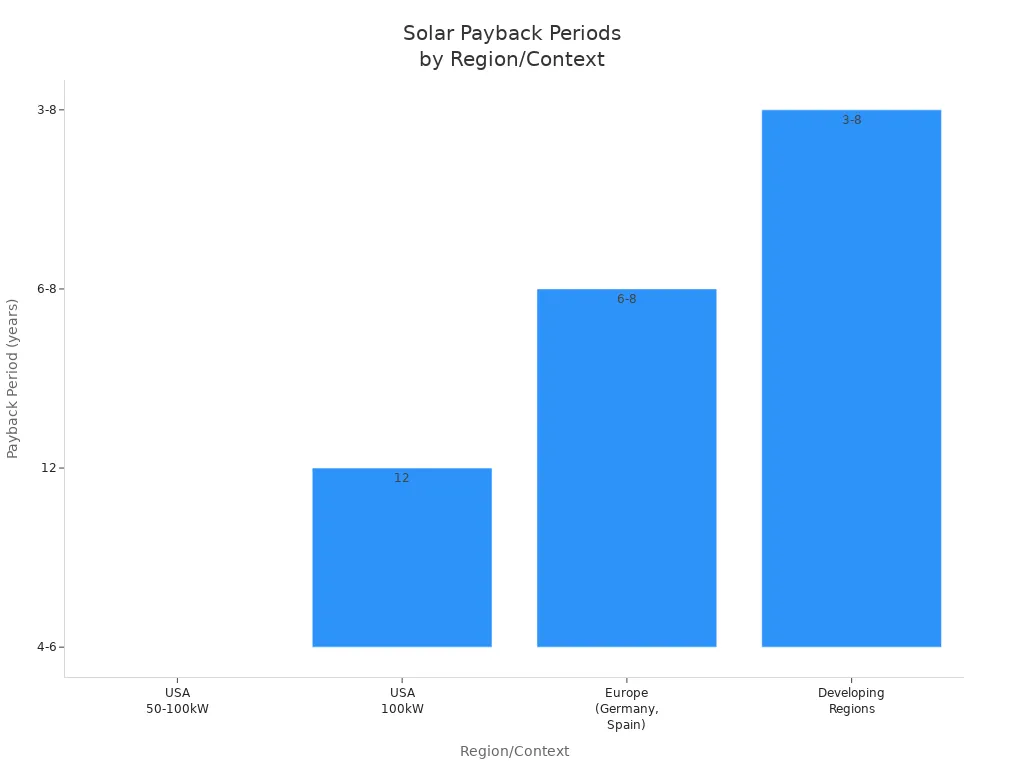
Switching to solar hybrid systems delivers substantial cost savings for remote mining sites. Operators benefit from reduced fuel expenses, lower maintenance costs, and protection against volatile diesel prices. The typical payback period for a 50kW industrial solar generator ranges from 4 to 6 years in regions with high electricity rates and abundant sunlight. After this period, operating costs remain significantly lower than those of diesel-only generators.
| Region/Context | System Size | Typical Payback Period | Key Factors Influencing Payback |
|---|---|---|---|
| USA | 50-100 kW (commercial) | 4-6 years | High electricity rates, tax credits, accelerated depreciation, sunny states |
| Europe (Germany, Spain) | Commercial PV | 6-8 years | High electricity prices, energy price spikes |
| Developing Regions (Africa, etc.) | 100 kW solar+storage | Few years to 6-8 years | Diesel fuel cost displacement, financing costs, grants, PPAs |
Hybrid solar systems also provide energy independence. By reducing reliance on fuel deliveries, mining operators gain greater control over their energy supply and shield themselves from market fluctuations. This independence enhances operational resilience, especially in remote locations where fuel logistics can be challenging and costly.
Integration with Mining Equipment
Modern 50kW industrial solar generators integrate seamlessly with mining equipment. These systems deliver stable, three-phase power suitable for heavy-duty machinery such as crushers, conveyors, pumps, and lighting. Intelligent Inverters and advanced control systems manage the transition between solar, battery, and backup diesel sources, ensuring uninterrupted operation. Energy storage solutions provide backup during cloudy periods or at night, while remote monitoring platforms allow operators to track performance and respond to issues quickly. Compatibility with existing electrical infrastructure enables straightforward retrofitting, minimizing downtime during installation.
Installation, Maintenance, and Support
Proper installation and ongoing maintenance are critical for reliable operation in harsh mining environments. Operators should follow a structured approach:
- Routine inspections check for leaks, secure connections, and verify the physical condition of the generator.
- Scheduled servicing includes oil changes, filter replacements, and cooling system checks at manufacturer-recommended intervals.
- Annual load testing confirms operational readiness under real-world conditions.
- Certified technicians handle installation to ensure compliance and proper integration.
- Emergency plans and operator training prepare staff for safe handling and troubleshooting.
- Regular cleaning of solar panels, especially in dusty environments, maintains optimal energy yield.
Note: Scientific studies show that soiling on solar panels can reduce energy output by up to 19% over six months. Optimized, condition-based cleaning schedules, tailored to local dust and weather conditions, help maintain performance and reduce revenue loss.
Support services often include professional installation, operator training, emergency response planning, and access to qualified service technicians. These measures ensure system reliability and longevity, even in challenging conditions.
Overcoming Challenges in Remote Locations
Deploying 50kW industrial solar generators in remote mining sites presents unique logistical and environmental challenges.
| Logistical Challenge Category | Description and Impact |
|---|---|
| Extreme Environmental Conditions | Intense heat, dust storms, UV exposure, and temperature swings require ruggedized equipment with high IP rating and UV resistance. |
| Transportation and Terrain | Moving equipment and fuel over difficult terrain demands local partnerships and careful coordination. |
| Maintenance and Reliability | Harsh climates increase wear and tear, necessitating spare parts availability and specialized technical expertise. |
| Modular and Standardized Design | Modular components reduce on-site construction complexity and streamline deployment. |
| Risk Management | Planning around weather windows, carrying extra parts, and robust surge protection mitigate operational risks. |
Mining operators address these obstacles by building hybrid expertise, using simulation tools for system design, and standardizing modular system designs such as containerized solar farms. Partnering with local contractors familiar with the terrain helps manage transportation and maintenance. Planning installations during favorable weather windows and carrying spare parts mitigate risks from harsh environments. Financing models like Energy-as-a-Service or leasing reduce upfront capital expenditure, making solar projects more accessible. Long-term service contracts and collaboration with specialized providers ensure reliable power supply without requiring direct technology management.
Real-World Examples and Case Studies
Several mining operations have successfully deployed 50kW and larger industrial solar generators in extreme environments:
- The Essakane Gold Mine in Burkina Faso operates a large-scale solar hybrid system in harsh desert conditions, reducing diesel use and improving reliability.
- The Fekola Gold Mine in Mali shifted up to 75% of its power demand to solar during sunny hours, achieving a 20% reduction in carbon footprint.
- ADNOC Drilling in the UAE uses mobile solar-plus-battery units that perform reliably in 50+°C heat and dusty conditions, significantly reducing diesel consumption.
- The Granny Smith mine in Australia’s hybrid solar plant avoids over 4,400 tons of CO₂ emissions each year by displacing 1.67 million liters of diesel.
These examples confirm that well-engineered 50kW industrial solar generators can deliver dependable, sustainable, and cost-effective power, even under the extreme weather conditions typical of remote mining sites.
- 50kW industrial solar generators offer dependable and sustainable power for remote mining operations.
- Operators achieve significant fuel savings, lower emissions, and improved reliability.
- Hybrid systems support long-term cost efficiency and align with global trends toward renewable integration in mining.
- Careful planning helps manage upfront costs and maintenance.
FAQ
How long does it take to install a 50kW industrial solar generator at a mining site?
Most installations require two to four weeks. Site conditions, equipment availability, and weather can affect the timeline. Professional teams ensure efficient deployment.
What maintenance does a 50kW solar generator need in mining environments?
Operators schedule routine inspections, panel cleaning, and battery checks. Technicians replace filters and monitor system performance. Regular maintenance maximizes uptime and extends equipment lifespan.
Can a 50kW solar generator operate during cloudy weather or at night?
Battery storage systems supply power when sunlight is unavailable. Backup diesel generators activate if batteries deplete, ensuring continuous operation regardless of weather or time.