
 Mobile Generator




Avoiding Common Mistakes When Using Generators Outdoors

Outdoor construction projects rely heavily on reliable power sources to keep tools and equipment running smoothly. Portable generators play a critical role in this, with the U.S. market for these devices projected to grow at a CAGR of 4.2% from 2025 to 2034. However, unsafe practices, like improper placement or overloading, can lead to accidents and downtime. Opting for electric storage generators offers you a cleaner, safer solution. With zero emissions and advanced features like uninterrupted power supply (UPS) functionality, they ensure efficiency and sustainability on your job site.
Key Takeaways
- Always use generators outside in open areas to avoid carbon monoxide. Add exhaust extensions and carbon monoxide alarms for extra safety.
- Move and place generators carefully on flat surfaces. Keep them at least 20 feet from buildings and anything that can catch fire.
- Check wires and plugs before using to prevent shocks. Use strong extension cords and never run generators in wet places.
- Take care of your generator by cleaning and checking it often. This helps it last longer and work well when needed.
- Think about using electric storage generators. They don’t pollute, give steady power, and can charge with solar energy, making them eco-friendly for work sites.
Safety Precautions for Outdoor Generator Use
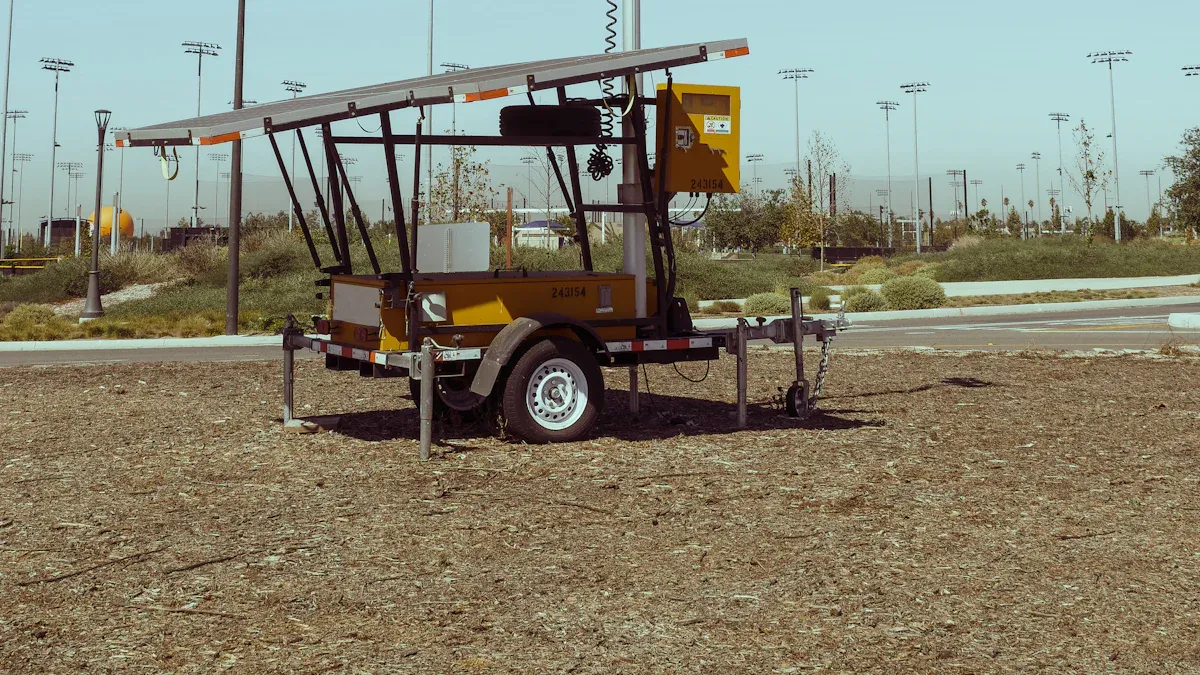
Proper Ventilation to Prevent Hazards
Using a generator outdoors requires careful attention to ventilation. Carbon monoxide poisoning is a serious risk when exhaust gases accumulate in enclosed spaces. To protect yourself and your team, always place the generator in a well-ventilated outdoor area. This ensures harmful gases dissipate safely into the air. If outdoor placement isn’t possible, improve indoor ventilation by opening windows and doors. You can also use fans or ventilation systems to maintain airflow and prevent gas buildup.
For added safety, consider installing an exhaust system extension. This directs exhaust gases outside, keeping the indoor environment safe. Make sure the extension is properly sealed and positioned away from doors, windows, or air intakes. Additionally, carbon monoxide detectors are essential. Place them near the generator and throughout the workspace to monitor gas levels. Test these detectors regularly to ensure they function correctly. By following these steps, you can eliminate the risks associated with poor ventilation.
Safe Transportation and Placement on Construction Sites
Transporting and positioning your generator correctly is crucial for safety and efficiency. Always secure the generator during transport to prevent it from tipping over or sustaining damage. Use appropriate lifting equipment or dollies to move it safely, especially on uneven terrain. Once on-site, place the generator on a flat, stable surface to avoid vibrations that could lead to operational issues.
Keep the generator at least 20 feet away from buildings, doors, and windows. This distance minimizes the risk of exhaust gases entering enclosed spaces. Avoid placing it in areas prone to flooding or near flammable materials. If you’re using an electric storage generator, ensure it’s shielded from direct sunlight and rain to maintain its performance. Proper placement not only enhances safety but also extends the lifespan of your equipment.
Avoiding Electrical Hazards During Operation
Electrical hazards are a common concern when operating a generator. To prevent accidents, inspect all cables and connections before use. Damaged or frayed wires can lead to short circuits or fires. Use heavy-duty extension cords rated for outdoor use, and ensure they are compatible with the generator’s power output.
Never operate the generator in wet conditions. Water increases the risk of electric shock. If rain is unavoidable, use a canopy or tent to protect the generator while maintaining proper ventilation. Grounding the generator is another critical step. This reduces the risk of electrical surges and protects both the equipment and the user. Lastly, avoid overloading the generator by calculating the total wattage of your tools and devices. Staying within the generator’s capacity ensures smooth and safe operation.
Operational Best Practices for Generators
Correct Setup and Connections
Setting up your generator correctly is the first step to ensuring reliable performance. Begin by placing it on a stable, level surface to prevent vibrations that could damage internal components. Always use the manufacturer’s guidelines to connect your generator to tools or equipment. This ensures compatibility and reduces the risk of electrical issues.
Improper connections can lead to performance bottlenecks. For example, elevated TCP socket latency or request bottlenecks may occur, slowing down operations. The table below highlights key performance metrics to monitor during setup:
| Metric | Description |
|---|---|
| Elevated TCP socket latency | Indicates delays in data transmission, often due to high connection churn, leading to performance degradation. |
| Request bottlenecks | Occur when connection churn causes overhead, slowing down request handling and impacting overall system performance. |
| Decreased throughput | Results from the time and resources consumed in establishing connections, reducing the capacity for data transfer. |
By addressing these issues during setup, you can optimize your generator’s performance and avoid unnecessary downtime.
Preventing Overloading for Optimal Performance
Overloading your generator can lead to serious consequences, including equipment failure and safety hazards. To prevent this, calculate the total wattage of all connected devices and ensure it stays within the generator’s capacity. Use a wattage meter if necessary to monitor power usage in real-time.
Studies show that poorly maintained generators have a 50% failure rate within 48 hours of continuous operation. In contrast, well-maintained units experience only a 20% failure rate over two weeks. This highlights the importance of proper maintenance and avoiding prolonged overloads. Operating beyond nominal power can increase vibrations and raise stator winding temperatures, risking insulation failure. Regular condition monitoring helps you predict potential issues and maintain optimal performance.
Leveraging Electric Storage Generators for Cleaner Energy
Electric storage generators offer a modern, eco-friendly solution for construction sites. Unlike traditional diesel models, these generators produce zero emissions, making them ideal for environmentally conscious projects. They also feature uninterrupted power supply (UPS) functionality, ensuring your tools and equipment remain operational even during power fluctuations.
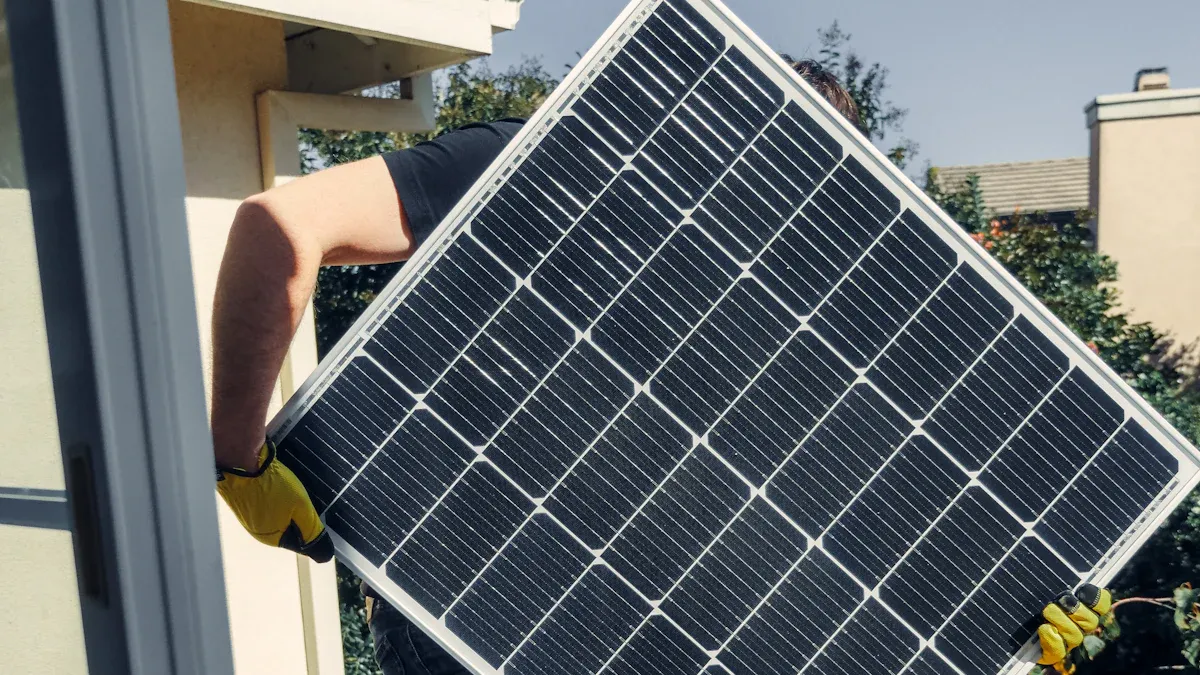
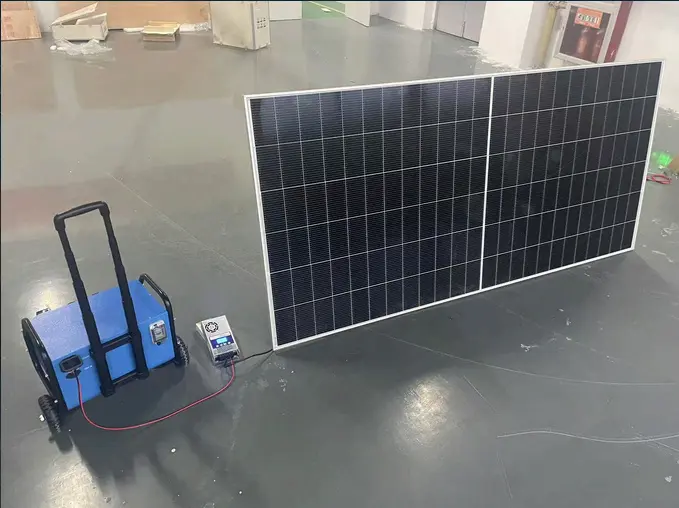
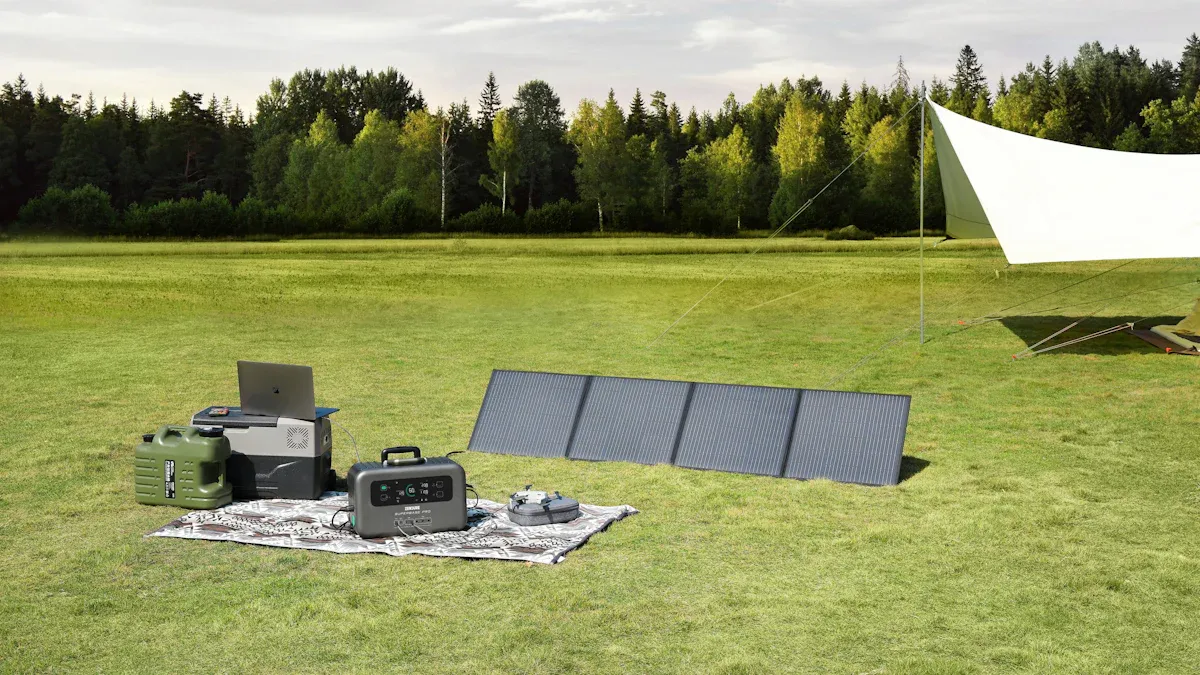
One of the standout features of electric storage generators is their ability to charge using solar panels. This sustainable energy source reduces reliance on fossil fuels and lowers operational costs. By integrating solar charging into your workflow, you can achieve cleaner energy usage while maintaining efficiency. Choosing an electric storage generator not only benefits the environment but also enhances the overall reliability of your power supply.
Maintenance Tips for Reliable Generator Performance

Regular Inspections and Cleaning
Routine inspections and cleaning are essential to keep your generator running smoothly. By checking your generator regularly, you confirm its operational capacity and ensure it’s ready to meet power demands when needed. Neglecting this step can lead to unexpected failures, costly repairs, or even downtime during critical operations.
Here’s how regular maintenance benefits you:
- Identifies and resolves issues early, preventing major breakdowns.
- Prolongs the lifespan of your generator and reduces repair costs.
- Ensures uninterrupted power supply during emergencies.
Follow a weekly inspection schedule to check fuel levels, oil pressure, the cooling system, and the battery condition. Pay close attention to external components for wear, leaks, or damage. Keeping the fuel system clean and ensuring proper fluid levels will help your generator perform at its peak. For electric storage generators, cleaning the exterior and ensuring proper ventilation are equally important to maintain efficiency.
Tip: Log all inspection activities. This helps you track trends and identify recurring issues before they escalate.
Monitoring Battery Health in Electric Storage Generators
The battery is the heart of your electric storage generator. Monitoring its health ensures consistent performance and prevents unexpected power interruptions. Start by inspecting the battery for corrosion and securing all connections. A weak or damaged battery can compromise the generator’s ability to deliver power when you need it most.
To maintain battery health:
- Check the charge level regularly and recharge as needed.
- Use solar panels to recharge your generator for a sustainable energy source.
- Inspect for physical damage or swelling, which could indicate internal issues.
A well-maintained battery not only extends the life of your generator but also ensures its UPS functionality operates seamlessly. This is especially critical for construction sites where uninterrupted power is a necessity.
Utilizing Warranties and Professional Servicing
Take full advantage of your generator’s warranty by adhering to the manufacturer’s maintenance guidelines. Many manufacturers offer extended warranty packages if you document regular servicing by certified technicians. This can significantly reduce lifetime repair costs and enhance the reliability of your generator.
Professional servicing includes thorough inspections, cleaning, and testing by qualified personnel. These services often uncover hidden issues that routine checks might miss. Additionally, maintaining detailed service records supports warranty claims and demonstrates proper care.
Note: Annual maintenance by professionals not only keeps your generator in top condition but also ensures compliance with warranty requirements. This proactive approach saves you money and extends the lifespan of your equipment.
By following these maintenance tips, you can maximize the performance and reliability of your electric storage generator, ensuring it remains a dependable power source for your construction projects.
Advantages of Electric Storage Generators Over Diesel Generators
Zero Emissions and Environmental Benefits
Switching to electric storage generators is a game-changer for reducing your environmental footprint. Unlike diesel generators, which release harmful chemicals and greenhouse gases, electric storage generators operate without emissions. This makes them ideal for construction sites aiming to meet sustainability goals.
Battery energy storage systems (BESS) do not produce carbon emissions during operation, especially when charged with renewable sources. In contrast, diesel generators contribute to air pollution and greenhouse gas emissions, making BESS a more environmentally friendly option.
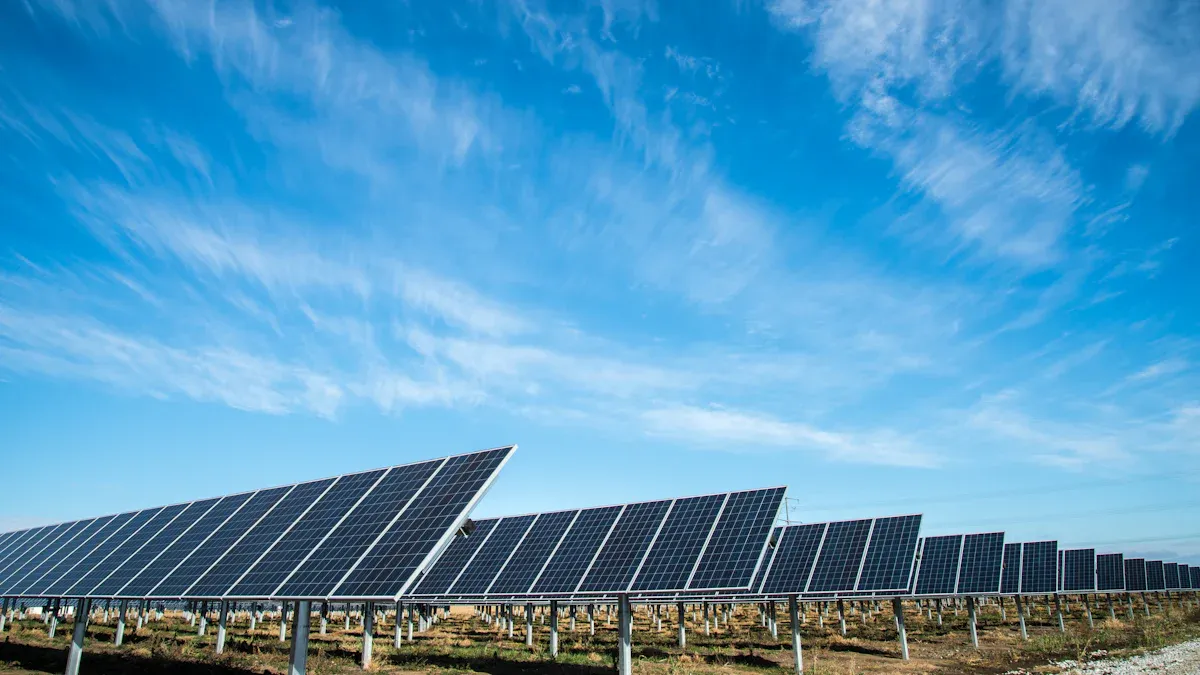
The environmental impact of diesel generators is significant. Studies show that transitioning to PV-plus-storage microgrids can reduce over 10,000 tons of CO2 emissions in 20 years while saving millions in public expenditures. By choosing electric storage generators, you actively contribute to cleaner air and a healthier planet.
UPS Functionality for Uninterrupted Power
Electric storage generators come equipped with advanced UPS functionality, ensuring your tools and equipment stay powered during outages. This feature eliminates downtime and protects sensitive devices from power fluctuations.
- UPS systems provide immediate battery backup during interruptions, bridging the gap until the generator starts.
- Online Double-conversion UPS systems handle frequency variations, delivering stable power output.
- Unlike traditional generators, UPS systems switch seamlessly, maintaining uninterrupted operations.
With UPS functionality, you can focus on your work without worrying about power disruptions. This makes electric storage generators a reliable choice for construction sites where consistent energy is critical.
Solar Charging Capabilities for Sustainable Energy
Harnessing solar energy with electric storage generators offers unmatched sustainability. These generators integrate seamlessly with solar panels, allowing you to store surplus energy and use it when demand exceeds production.
| Feature | Value |
|---|---|
| Round Trip Efficiency | 94.5% |
| System Type | DC-coupled Energy Bank |
This capability bridges the gap between supply and demand, ensuring your site remains powered even during fluctuations in renewable energy production. Batteries store excess energy from solar panels, reducing reliance on fossil fuels and lowering operational costs.
By leveraging solar charging, you not only save money but also align your projects with eco-friendly practices. Electric storage generators empower you to achieve energy sustainability without compromising performance.
Safe and efficient generator use is essential for successful construction projects. By following best practices—like ensuring proper ventilation, avoiding electrical hazards, and conducting regular maintenance—you can significantly reduce risks and improve performance.
The construction industry faces high incident rates, with over one-third of industrial accidents in China occurring on construction sites. Immediate supervision and risk management are critical to lowering these numbers.
Switching to electric storage generators offers unmatched advantages. These generators deliver zero emissions, uninterrupted power through UPS functionality, and sustainable energy via solar charging. A case study even highlights how integrating energy storage systems with traditional setups reduces operational costs and boosts efficiency.
Adopting these practices and technologies ensures safer, greener, and more efficient projects. Take the step today to transform your construction site into a model of innovation and sustainability. 🌱
FAQ
How do I choose the right generator for my construction site?
Evaluate your power needs by listing all tools and equipment. Calculate their total wattage and select a generator with sufficient capacity. Electric storage generators are ideal for eco-friendly projects, offering zero emissions, UPS functionality, and solar charging capabilities.
Tip: Always choose a generator with a slightly higher capacity than your calculated needs.
Can electric storage generators handle heavy-duty construction tools?
Yes, electric storage generators are designed to power heavy-duty tools efficiently. Their advanced battery systems and high output capacity ensure reliable performance. They also provide uninterrupted power through UPS functionality, making them perfect for demanding construction environments.
What maintenance steps should I follow for electric storage generators?
Inspect the battery regularly for corrosion or damage. Clean the exterior and ensure proper ventilation. Recharge using solar panels for sustainability. Log all maintenance activities to track trends and identify issues early.
Note: Professional servicing once a year ensures optimal performance and compliance with warranty requirements.
Are electric storage generators safe to use in wet conditions?
No, avoid operating any generator in wet conditions to prevent electric shocks. Use a canopy or tent to shield the generator from rain while maintaining ventilation. Electric storage generators are safer due to their advanced insulation and design.
How can solar charging reduce operational costs?
Solar charging eliminates fuel expenses and reduces reliance on grid power. By storing surplus energy, you ensure uninterrupted operations during peak demand. This sustainable approach lowers costs while aligning your project with eco-friendly practices.
🌱 Eco-Friendly Advantage: Solar charging supports green initiatives and reduces your carbon footprint.