
 Mobile Generator




EU's 90% Emissions Target and the Rise of Pocket Power Solutions
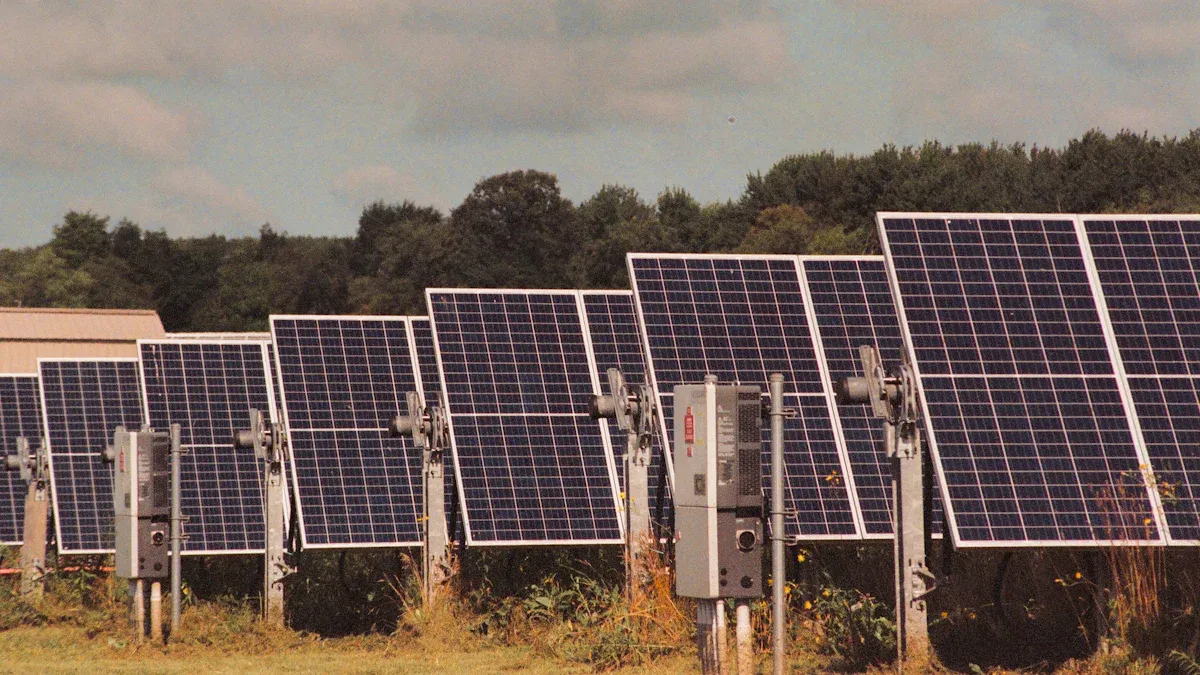
The EU aims for a 90% reduction in net greenhouse gas emissions by 2040 compared to 1990 levels. This ambitious goal reflects the urgency for innovative energy solutions, especially as fossil fuel demand remains stable. Pocket power stations could play a crucial role in this transition, helping to meet the rising energy consumption demands while supporting sustainability efforts.
Key Takeaways
- The EU aims for a 90% reduction in greenhouse gas emissions by 2040, emphasizing the need for innovative energy solutions.
- Pocket power stations can help reduce reliance on fossil fuels by harnessing renewable energy, making them vital for achieving emissions targets.
- Investors can benefit from the growing market for pocket power solutions, supported by EU incentives and increasing consumer demand for sustainable energy.
Current State of EU Emissions Targets

Overview of the 90% Reduction Goal
The European Union has set an ambitious target to reduce net greenhouse gas emissions by 90% by the year 2040, compared to 1990 levels. This goal is part of a broader strategy to achieve net-zero emissions by 2050. The specifics of this target include:
| Detail | Description |
|---|---|
| Target Year | 2040 |
| Emission Reduction Goal | 90% below 1990 levels |
| Required Emissions | Less than 850 million tonnes CO2e |
| Carbon Removal | Up to 400 million tonnes CO2e through CCS and land-based solutions |
| Net Emissions Target | 450 million tonnes CO2e in 2040 |
| Interim Target | Part of the pathway to net-zero by 2050 |
| Current Emission Reduction Target | At least 55% by 2030 |
| Projected Emissions Reduction | 48% by 2030, 60% by 2040 |
| Power Sector Goal | Full decarbonisation by 2040 |
| Renewable Energy Contribution | Over 90% of electricity from renewables and nuclear by 2040 |
| Fossil Fuel Reduction | 80% reduction in fossil fuel consumption by 2040 |
| Investment Requirement | Additional 1.5% of GDP annually for low-carbon transition |
This target represents a significant increase from the previous goal of a 55% reduction by 2030. It serves as an intermediate milestone on the path to achieving net-zero emissions by 2050. The European Scientific Advisory Board has endorsed this target, emphasizing its alignment with global climate goals.
Progress and Challenges Faced
As of the most recent reporting period, the EU is on track to achieve a 55% reduction in emissions by 2030. Current assessments indicate that the EU is projected to cut emissions by approximately 54%, reflecting notable progress compared to earlier forecasts. However, several challenges remain:
- The EU must reduce its reliance on fossil fuels by 80% over the next sixteen years.
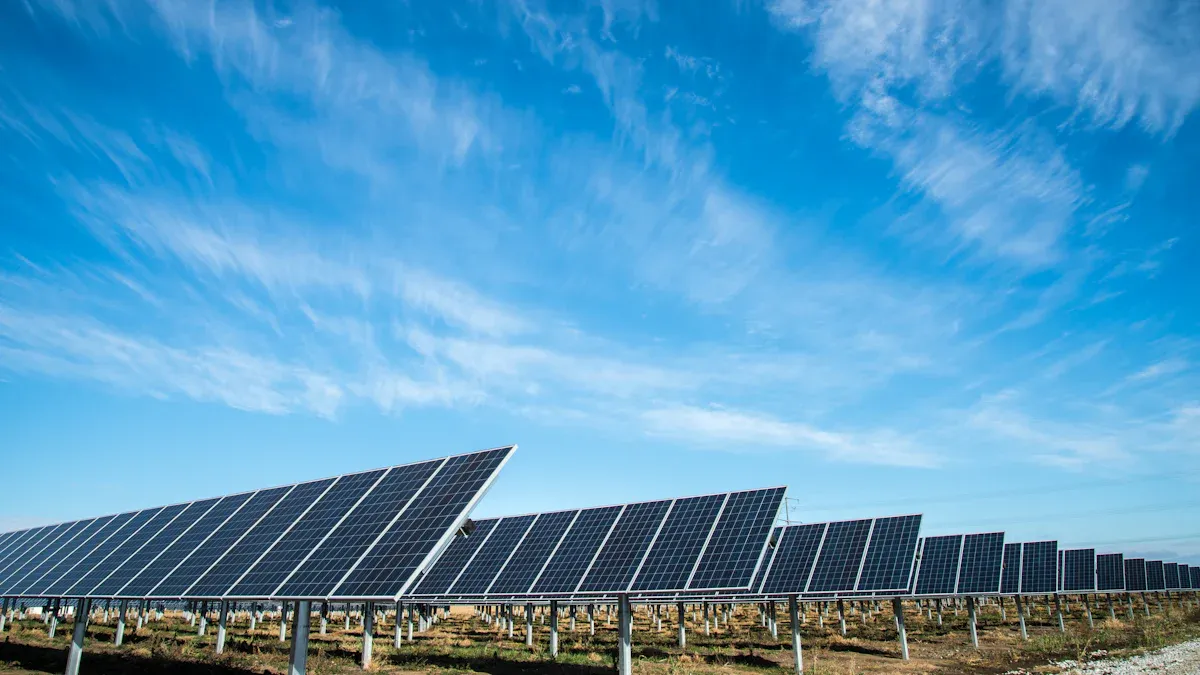
- Significant expansion of emissions-free power infrastructure is necessary.
- The industry faces economic downturns, with declining demand and investments shifting to other regions.
Despite these challenges, the European Commission's impact assessment suggests that achieving a 90% reduction by 2040 is technically feasible. However, current projections indicate that even with all planned climate policies, emissions are expected to fall only 48% by 2030, which falls short of the 55% target. The pushback from various governments has led to the Commission allowing flexibility in meeting the target, which may undermine domestic decarbonization efforts.
In this context, pocket power solutions could emerge as a vital component in the EU's strategy to meet its emissions targets. These innovative energy solutions can help bridge the gap between current energy demands and the ambitious goals set forth by the EU.
Pocket Power Stations and Their Role
Definition and Functionality
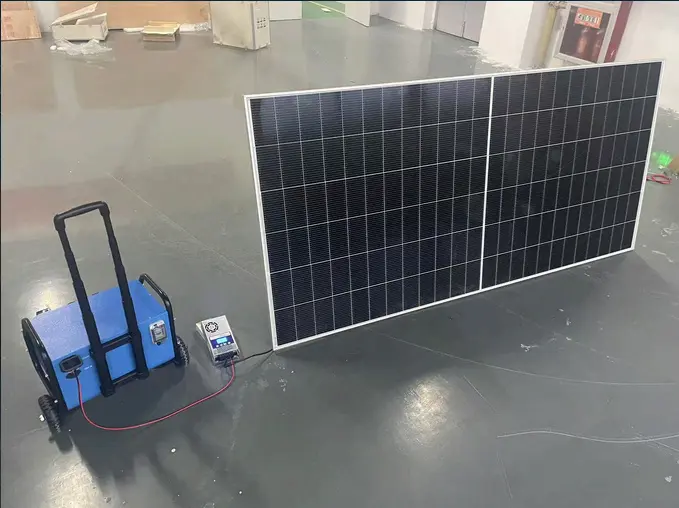
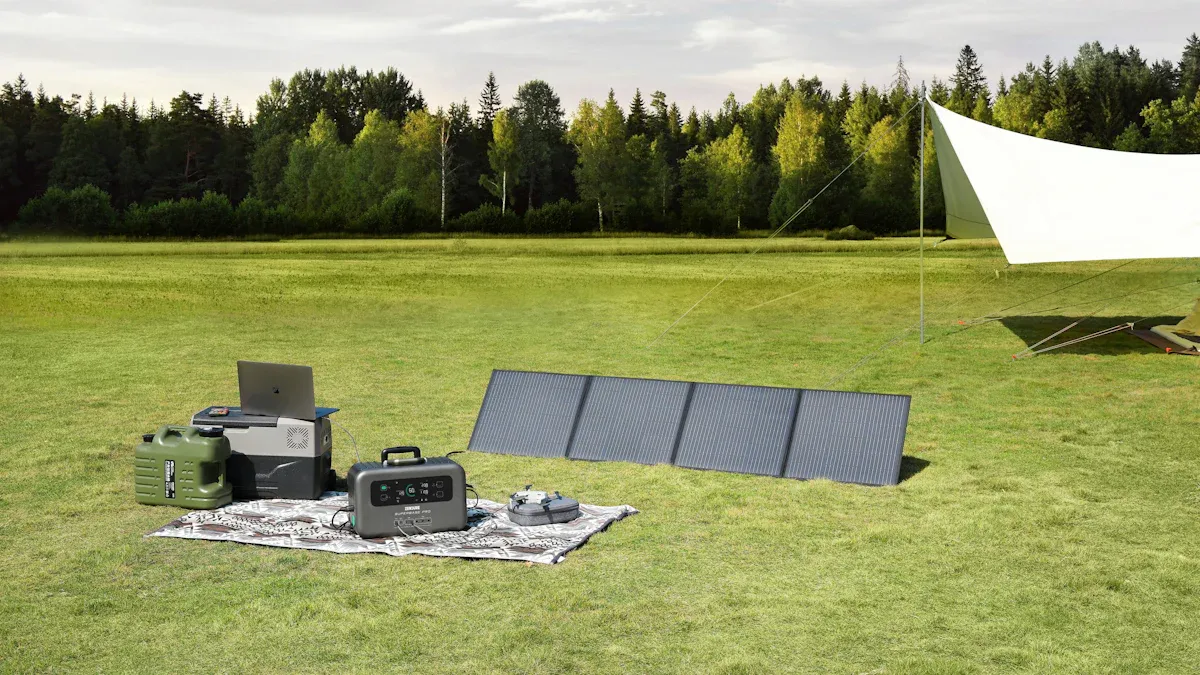
Pocket power stations represent a new wave of portable energy solutions designed to meet the growing demand for flexible and sustainable energy sources. These compact devices resemble mini-generators and serve various functions, making them ideal for both personal and professional use. Their key features include:
| Feature | Description |
|---|---|
| Design | Portable power stations are designed to be compact and easy to carry, resembling mini-generators. |
| Power Output | They can power a variety of devices, from smartphones to household appliances, depending on size. |
| Charging Options | Units can be charged via AC outlets or solar panels, offering flexibility in energy sourcing. |
| Battery Types | Smaller units typically use Lithium-ion or Lithium Polymer batteries, while larger ones may use lead-acid or NiMH batteries, affecting weight and energy density. |
| Charging Time | Smaller units generally charge faster than larger ones, impacting usability in different scenarios. |
These features make pocket power stations versatile tools for energy generation, especially in areas where traditional power sources may be unreliable or unavailable.
Contribution to Emission Reductions
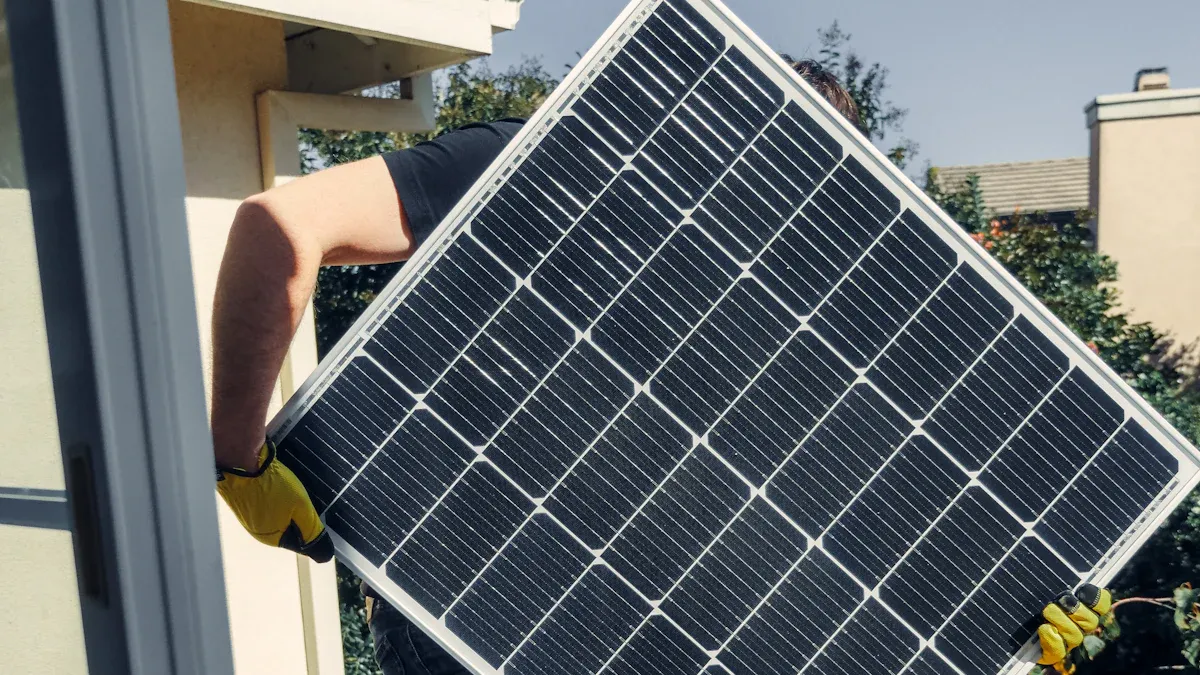
Pocket power stations play a significant role in reducing emissions compared to traditional energy sources. Their ability to harness renewable energy, such as solar power, allows users to generate electricity without contributing to greenhouse gas emissions. This capability positions pocket power stations as effective alternatives in the broader context of the EU's emissions reduction goals.
When comparing the emissions reduction effectiveness of various energy sources, pocket power stations stand out. The following table illustrates how they compare to other decentralized energy solutions:
| Energy Source | Emissions Reduction Effectiveness |
|---|---|
| Fuel Cells | Efficient, zero-emission energy |
| Traditional Sources | High greenhouse gas emissions |
By utilizing renewable energy, pocket power stations help mitigate the reliance on fossil fuels, which is crucial for achieving the EU's target of a 90% reduction in emissions by 2040. As more consumers and businesses adopt these technologies, the cumulative impact on emissions could be substantial, supporting the transition to a cleaner energy future.
The rise of pocket power solutions not only aligns with environmental goals but also empowers individuals and communities to take charge of their energy needs. This shift towards decentralized energy generation fosters innovation and encourages investment in sustainable technologies, paving the way for a greener tomorrow.
Market Growth and Pocket Power Investment Opportunities
Trends in Pocket Power Solutions
The market for pocket power solutions is experiencing significant growth, driven by several key trends. Consumers increasingly demand higher capacity power banks, particularly those with a capacity of 10,000mAh and above. This trend reflects the growing reliance on portable electronics, which require efficient charging solutions. Fast-charging technologies are also gaining traction, as users prefer devices that can charge quickly and efficiently.
Additionally, miniaturization plays a crucial role in the evolution of pocket power solutions. Manufacturers strive to create lighter and more compact power banks without compromising capacity. Safety features and eco-friendly materials are becoming essential, aligning with consumer preferences for reliable and sustainable products. The market is projected to grow steadily, with an estimated annual value of around $15 billion USD and a compound annual growth rate (CAGR) of 5-7% over the next five years.
Potential for Investors and Consumers
Investors and consumers alike stand to benefit from the rise of pocket power solutions. The portable power station market is expected to grow at a compound annual growth rate (CAGR) of 11.5% from 2025 to 2032. This growth presents lucrative opportunities for investors looking to enter a rapidly expanding sector.
Several factors drive the increasing adoption of pocket power stations in the EU:
- Rising Demand for Off-Grid Solutions: Urbanization, power outages, and remote work are prompting households in Central and Eastern Europe to adopt portable lithium power stations.
- Technological Advancements: Innovations in battery technology, particularly lithium iron phosphate (LiFePO4), enhance safety and efficiency, making these products more appealing.
- Regulatory Support: EU climate directives and member state subsidies promote renewable energy integration. Incentive programs in countries like Germany and France encourage adoption.
Investors can also take advantage of various financial incentives available for pocket power solutions in the EU. For instance, France offers a 20% credit for investments in wind, solar, and battery projects. Poland provides white certificates and other varying incentives, while the UK has contracts for difference (CfD) for offshore wind. These incentives can significantly reduce the financial burden on investors and promote the growth of pocket power technologies.
However, potential investors should remain aware of the risks associated with this sector. Co-locating power plants with data centers can increase complexity. Innovative and unproven nuclear designs pose significant risks, and operating off-grid may lead to mismatches between demand and supply.
The EU's goal of a 90% emissions reduction by 2040 highlights the urgency for innovative energy solutions. Pocket power solutions play a vital role in this transition, as they support renewable energy integration and reduce reliance on fossil fuels.
- Key Implications:
- Energy storage technologies are essential for managing renewable energy variability.
- Investment in these solutions is crucial to meet growing energy demands.
Encouraging innovation and investment in sustainable technologies will drive progress toward climate neutrality by 2050.
"Decarbonization must occur six times faster than current global rates."
This urgency calls for collective action and commitment to a greener future. 🌍
FAQ
What are pocket power stations?
Pocket power stations are portable energy solutions that provide electricity for various devices, utilizing renewable energy sources like solar power.
How do pocket power stations contribute to emissions reduction?
They reduce reliance on fossil fuels by harnessing renewable energy, thus helping to lower greenhouse gas emissions.
Are there financial incentives for investing in pocket power solutions in the EU?
Yes, several EU countries offer financial incentives, such as tax credits and subsidies, to promote the adoption of renewable energy technologies.