
 Mobile Generator



Finding the Ideal Portable Solar Power Station for Outdoor Living
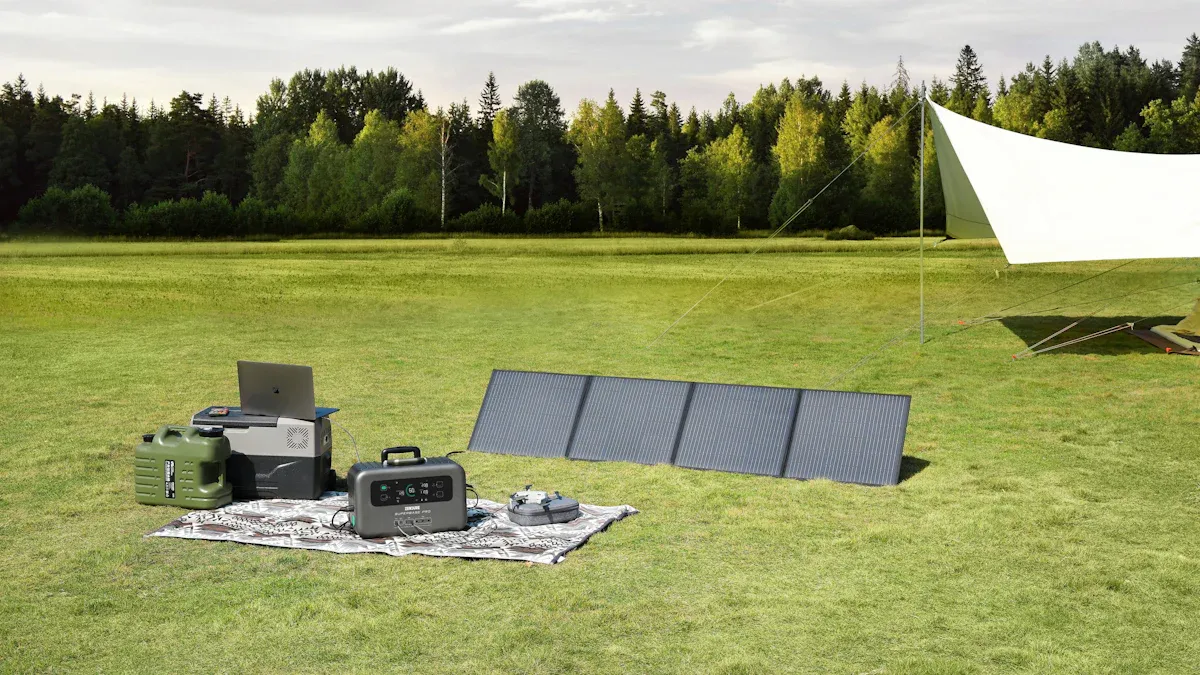
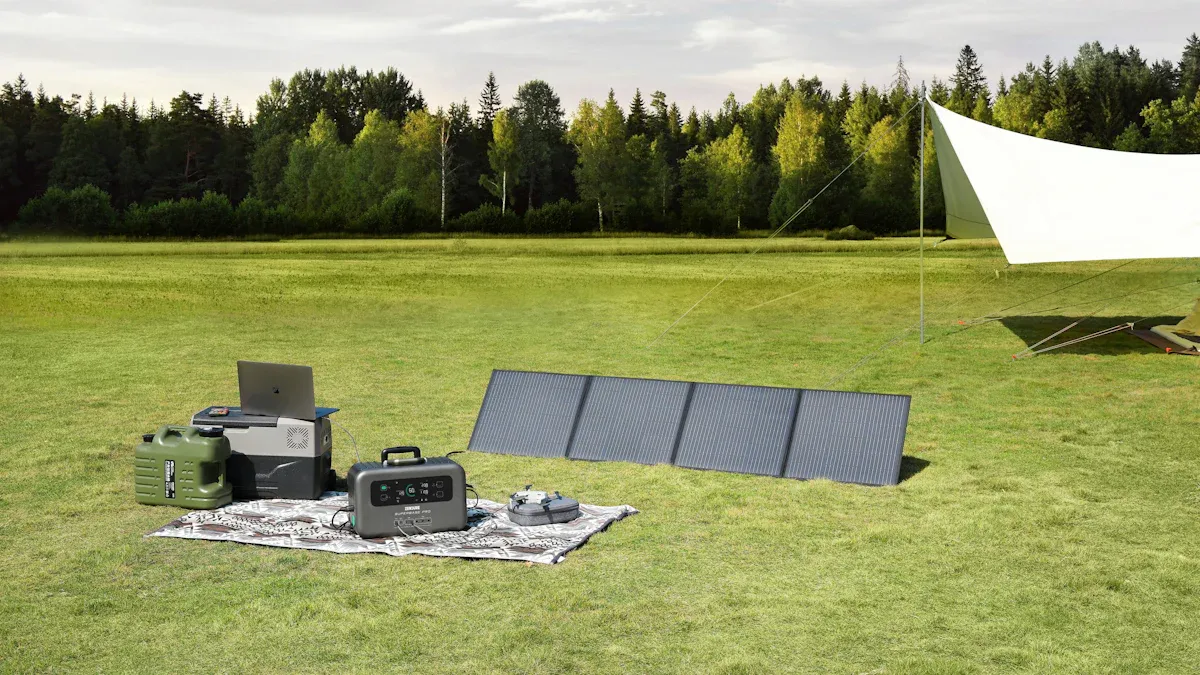
Modern outdoor adventures demand reliable power for comfort and safety. People require electricity for 12V fridges, entertainment, communication devices, and lighting. They also charge drones, cameras, and laptops. Some even power CPAP machines, kitchenettes, and coffee makers. Selecting the correct portable forest solar genset ensures it meets these specific needs.
Key Takeaways
- Choose a portable solar power station with enough battery capacity (Wh) and power output (W) for your devices. This ensures you have reliable power for your outdoor adventures.
- Select a power station with LiFePO4 batteries. These batteries are safer, last longer, and are more durable for outdoor use.
- Maximise solar charging by moving and angling your solar panels. This helps them catch the most sunlight and charge your power station faster.
Essential Features for Your Portable Forest Solar Genset
Understanding Battery Capacity and Power Output
Choosing a portable solar power station begins with understanding its battery capacity and power output. Battery capacity, measured in Watt-hours (Wh), indicates how much energy the unit stores. Power output, measured in Watts (W), shows how much power it can deliver at any given moment. A higher Wh rating means the unit can power devices for longer. A higher W rating means it can run more demanding appliances.
For a weekend camping trip, a Centerfire battery pack with 864Wh capacity is perfect. It can run a 40W camping fridge for approximately 14 hours. Longer adventures often require more power. A Long Range battery pack, offering 1728Wh, is ideal for powering dual fridges or multiple devices for an entire weekend. For extended off-grid camping, a larger battery pack is recommended. This could be one with 10,000–20,000mAh or a 100Ah+ power station. A smaller 5,000–10,000mAh power bank might suffice for quick overnight trips.
Consider the power requirements of your appliances. The table below shows typical power outputs for common outdoor items:
| Appliance | Power Output (W) |
|---|---|
| Coffee Machine | 500-1,000 |
| Camping Stove | 1,000-2,500 |
| Camping Fridge/Freezer | 30-100 |
| Small Air Conditioner | 500-1,500 |
| Portable Microwave Oven | 600-1,200 |
| Hair Dryer | 500-1,500 |
| Heater | 500-1,500 |
| Camping Fan | 3-20 |
| Camping Lantern (LED) | 5-50 |
| Kettle | 500-1,000 |
Diverse Output Ports and Connectivity Options
A versatile portable forest solar genset offers various output ports. This ensures compatibility with all your devices. Most units feature:
- AC outlets
- DC outlets
- USB ports
Some advanced models also include:
- 3 pin GPO
- 12V car sockets
- Wireless charging pads
- USB-A and USB-C ports
Having a wide array of ports allows you to charge phones, laptops, and power larger appliances simultaneously. This flexibility is crucial for any outdoor setup.
Choosing the Right Battery Chemistry
The type of battery chemistry significantly impacts performance, safety, and lifespan. The two main types are Lithium Nickel Manganese Cobalt (NMC) and Lithium Iron Phosphate (LiFePO4 or LFP). LiFePO4 is now the standard for longevity and safety in portable batteries.
Here is a comparison of NMC and LFP batteries:
| Characteristic | NMC | LFP |
|---|---|---|
| Energy Density (cell level) | 200-250 Wh/kg | 150-200 Wh/kg |
| Raw Material Cost (2023) | ~$18/kWh | ~$13/kWh |
| Typical Cycle Life to 80% | 1,000-1,500 cycles | 3,000+ cycles |
| Calendar Life | 10-12 years | 15-20+ years |
| Thermal Runaway Onset | 150-200°C | 270-300°C |
| Cold Weather Performance | Better | Reduced |
| Raw Material Availability | More constrained (cobalt, nickel) | More abundant (iron, phosphate) |
LFP batteries offer several advantages:
- Safety first: LFP chemistry is highly resistant to overheating. This reduces fire risks.
- Long lifespan: They are ideal for applications where battery longevity matters.
- Cost-effective: Fewer scarce materials mean easier production and lower prices.
- Environmental advantage: They do not rely on cobalt. This eases mining-related environmental concerns.
NMC batteries have higher energy density. This makes them suitable when space and weight are limited. However, LFP batteries provide superior structural stability and a longer cycle life. They are a safer and more durable choice for a portable forest solar genset.
Efficient Solar Charging and Input Methods
A portable solar power station must offer efficient charging options. Solar charging is essential for off-grid use. Look for units with high solar input capabilities. This allows for faster recharging from solar panels. Many power stations also support AC wall charging and 12V car charging. This provides flexibility when solar power is unavailable. Efficient Maximum Power Point Tracking (MPPT) controllers optimise solar input. This ensures the battery charges as quickly as possible from the sun.
Portability, Size, and Weight Considerations
Outdoor adventures require equipment that is easy to transport. The size and weight of your portable solar power station are crucial factors. A balance between capacity and portability is necessary. A unit with 518Wh capacity typically weighs around 6.9kg to 8.2kg. Its dimensions are approximately 28.7cm x 16cm x 23cm. Consider how you will carry the unit. Look for ergonomic handles or a compact design. A lighter, smaller unit is easier to carry on hikes or move around a campsite.
Durability and Weather Resistance for Outdoor Use
Outdoor environments can be harsh. Your portable forest solar genset needs to withstand dust, moisture, and impacts. Look for robust construction materials. A durable casing protects internal components. Check for an Ingress Protection (IP) rating. This indicates the unit's resistance to dust and water. A higher IP rating means better protection. Some units feature rubberised corners or reinforced shells. These features provide extra protection against accidental drops.
Matching Your Power Station to Outdoor Activities
Assessing Your Specific Power Requirements
Before selecting a portable power station, individuals must accurately assess their specific power requirements. This involves listing every device they plan to power. For each device, they need to identify its wattage and the estimated duration of use. For example, a 50W camping fridge running for 10 hours requires 500Wh of energy. Summing these individual energy needs provides a total Watt-hour (Wh) figure. This total Wh figure directly indicates the minimum battery capacity the power station should possess. Overestimating slightly ensures a comfortable buffer for unexpected needs or longer usage.
Considerations for Different Outdoor Adventures
Different outdoor activities demand varying power solutions. A short day hike might only require a small power bank for a phone. Extended camping trips, however, necessitate a much larger capacity. For caravanning or van life, a robust system powers fridges, lights, and entertainment for days. Backpackers prioritise lightweight and compact units, even if it means less capacity. Emergency preparedness often focuses on reliability and the ability to power essential medical devices or communication tools. Consider the environment too; extreme temperatures affect battery performance. A power station for a remote fishing trip will differ significantly from one used for a family picnic in a local park.
Longevity, Maintenance, and Overall Value
The longevity of a portable power station directly impacts its overall value. Most modern portable power stations utilise lithium-based batteries, such as LiFePO4 or other lithium-ion variants. These batteries are favoured for their lightweight nature, extended lifespan, and ability to endure numerous charge cycles effectively. The battery chemistry significantly influences how many times a unit can be fully charged and discharged before its capacity degrades.
| Battery Chemistry | Average Cycle Life (Charge Cycles) |
|---|---|
| Typical Lithium-ion | 4,000 - 8,000 |
| Low-end Lead-acid | 800 - 1,000 |
| Decent Household | At least 1,000 |
| Battery Bank |
LiFePO4 batteries, for instance, offer thousands of cycles, providing years of reliable service. Proper maintenance extends the life of any portable forest solar genset. Users should avoid fully discharging the battery regularly. They should also store the unit in a cool, dry place when not in use. Regular charging, even during storage, prevents deep discharge and preserves battery health. Investing in a unit with a longer cycle life reduces the need for frequent replacements, offering better long-term value.
Key Safety Considerations for Operation
Safety remains paramount when operating any electrical device, especially outdoors. A high-quality portable power station incorporates advanced safety features. An Advanced Battery Management System (BMS) technology is crucial. This system protects the unit and connected devices.
The BMS provides several vital protections:
- Protection against overloading
- Protection against short-circuiting
- Protection against over-voltage
- Protection against over-current
- Protection against over-discharge
- Protection against over-charge
LiFePO4 battery technology further enhances safety and reliability. Users should always follow the manufacturer's instructions for operation and charging. They must avoid exposing the unit to extreme temperatures or direct sunlight for prolonged periods. Look for certifications such as CE, RHOS, UN38.3, and MSDS. These indicate the product meets stringent safety and quality standards. Other important certifications include UL, FCC, IC, TELEC, PSE, RCM, LOA, UKCA, and CA65. These certifications assure consumers of the product's compliance with various regional and international safety regulations. Always ensure the charging cables and adapters are in good condition. Never attempt to modify the power station.
Making an Informed Decision for Outdoor Living
Comparing Models and Specifications
Choosing the right portable power station requires careful comparison of models and their specifications. Individuals must look at the battery type, noting the shift to Lithium Iron Phosphate (LiFePO4) for its improved safety, longevity, and thermal stability. LiFePO4 batteries offer 3,500 to 4,000 or more charge cycles. They also need to understand the difference between rated power (Watts), which indicates what appliances a portable forest solar genset can run, and battery capacity (Watt-hours), which shows how long it can run them. Finally, they should consider the versatility of charging methods, including AC wall outlets, 12V car chargers, and solar panels.
Understanding Real-World Solar Charging Efficiency
Real-world solar charging efficiency often differs from ideal laboratory conditions. Several factors directly influence the output of connected portable solar panels. These include the time of year, geographic location, ambient temperature, and atmospheric pollution. The cleanliness of the panels, the solar controller's efficiency, and the battery's charge level also play significant roles. Users can significantly enhance real-world charging efficiency by moving and angling portable solar panels throughout the day. This flexibility allows them to 'chase the sun,' maximising solar input. This strategic positioning can lead to production as much as 40% higher compared to fixed panels, especially during winter months or earlier/later in the day.
The Importance of Advanced Battery Management
An advanced Battery Management System (BMS) is crucial for any portable power station. BMS units monitor and manage battery parameters such as voltage, temperature, and state of charge. They protect batteries from overcharging, over-discharging, and thermal runaway. This ensures the safety, longevity, and optimal performance of battery systems. Advanced BMS products, like Victron miniBMS and smallBMS, offer real-time monitoring capabilities. They use intelligent algorithms to provide accurate data and alerts. This data helps users make informed decisions about their energy storage systems. BMS plays a critical role in preventing catastrophic failures and extending the overall lifespan of batteries by ensuring each cell operates optimally.
Choosing the ideal portable power station requires careful consideration of capacity, power output, and robust LiFePO4 battery chemistry. Readers can now confidently select a unit perfectly suited for their outdoor lifestyle. A well-matched power station offers reliable, long-term energy, significantly enhancing every adventure and providing lasting value.
FAQ
What is the difference between Watt-hours (Wh) and Watts (W)?
Watt-hours (Wh) measure the total energy a power station stores. This indicates how long it can power devices. Watts (W) measure the instantaneous power output, showing how much power a unit delivers at one time.
Why are LiFePO4 batteries recommended for portable power stations?
LiFePO4 batteries offer superior safety, a longer lifespan with many charge cycles, and better thermal stability. They provide a durable and reliable option for outdoor use.
How can users maximise solar charging efficiency in real-world conditions?
Users can maximise efficiency by regularly moving and angling solar panels to 'chase the sun'. This strategic positioning significantly increases solar input, especially during off-peak hours.