
 Mobile Generator




Fuel-Free and Fuss-Free: Eco Power for Builders
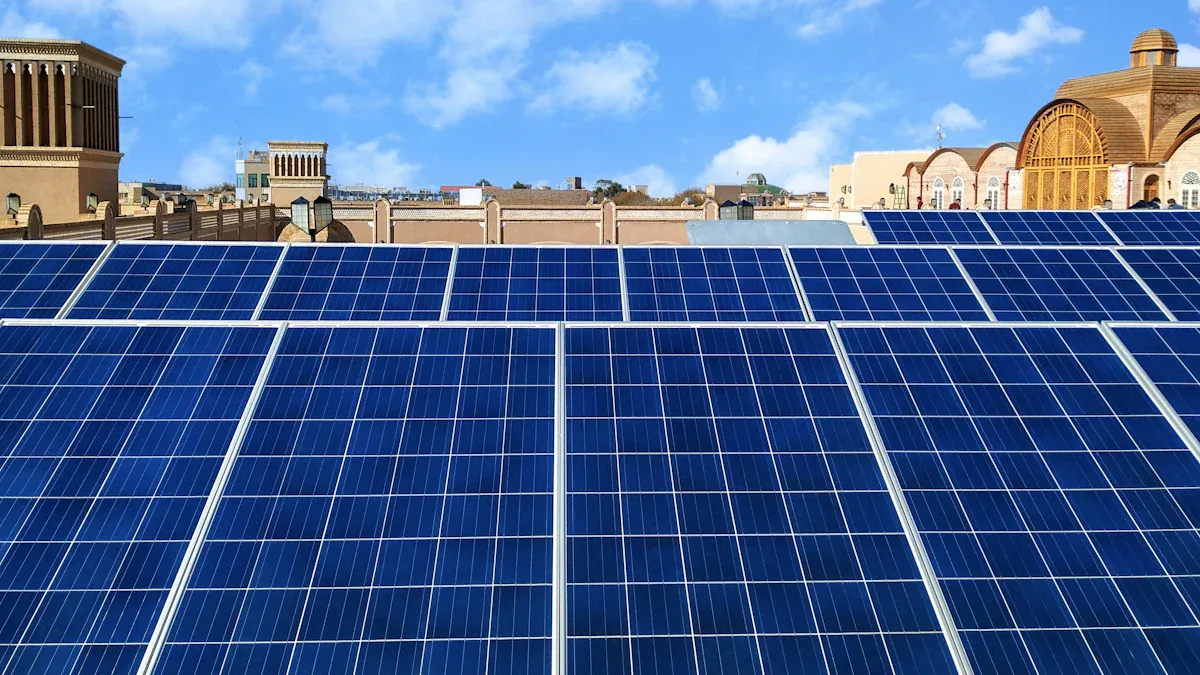
Fuel-Free generators supply steady power on construction sites while supporting eco-friendly practices. Many builders choose these systems to avoid fuel storage and reduce emissions.
Common regulations shape eco-compliant power solutions:
- Clean Air Act and Clean Water Act
- ISO 14001 and ISO 50001 standards
Key Takeaways
- Fuel-free generators use solar, battery, hydrogen, or hybrid systems to provide clean, quiet, and reliable power without fuel or emissions.
- These systems reduce costs and delays by lowering maintenance needs, eliminating fuel deliveries, and supporting flexible power for different site sizes.
- Builders improve environmental compliance and worker safety by cutting pollution and noise, helping meet sustainability goals and regulations.
Fuel-Free Generator Technologies
Solar and Battery Systems
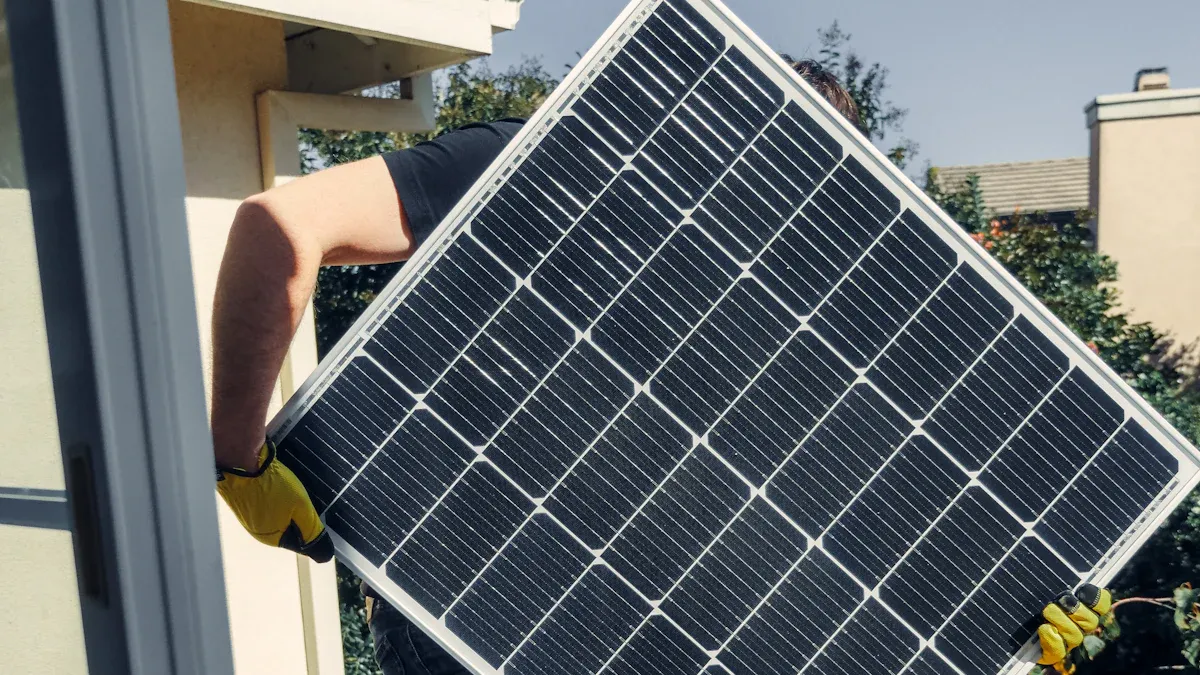
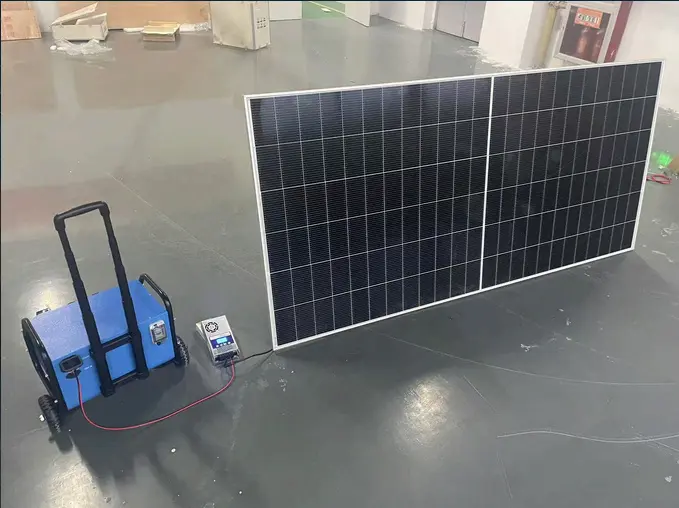
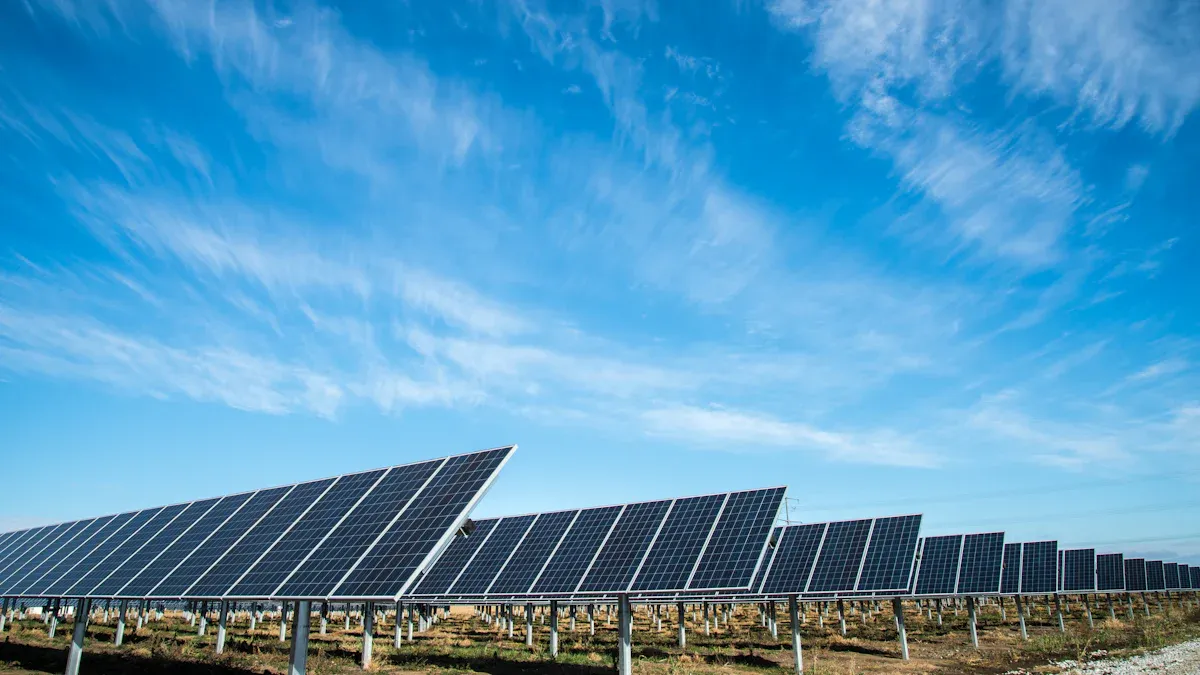
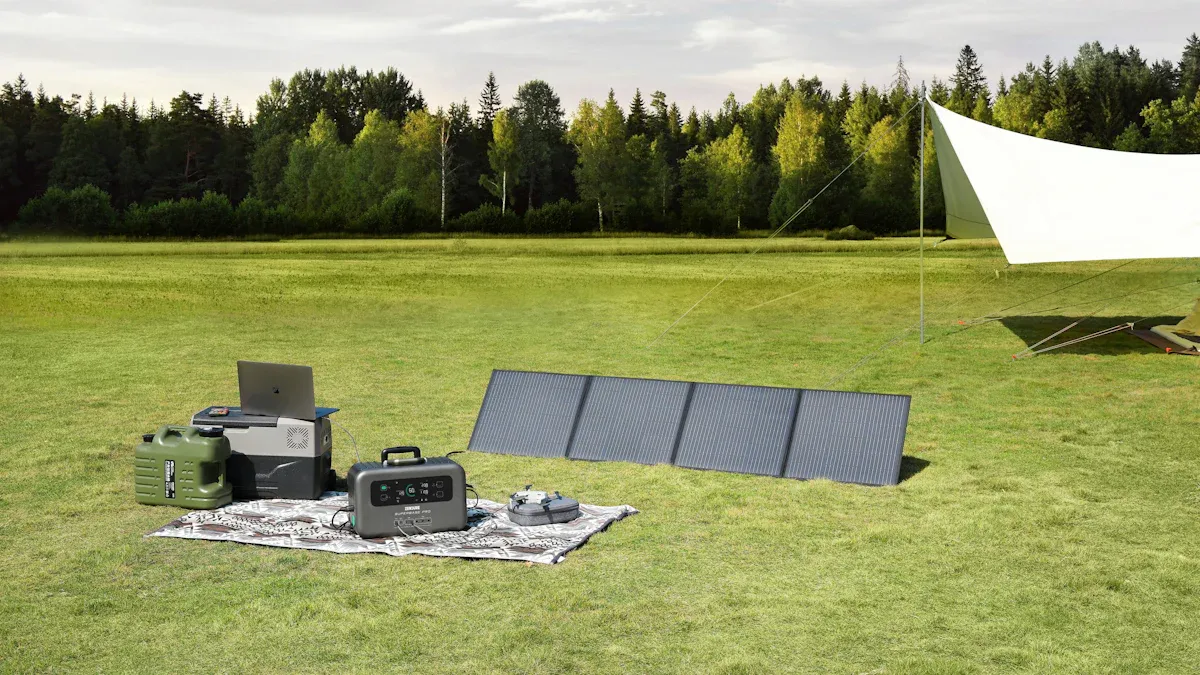
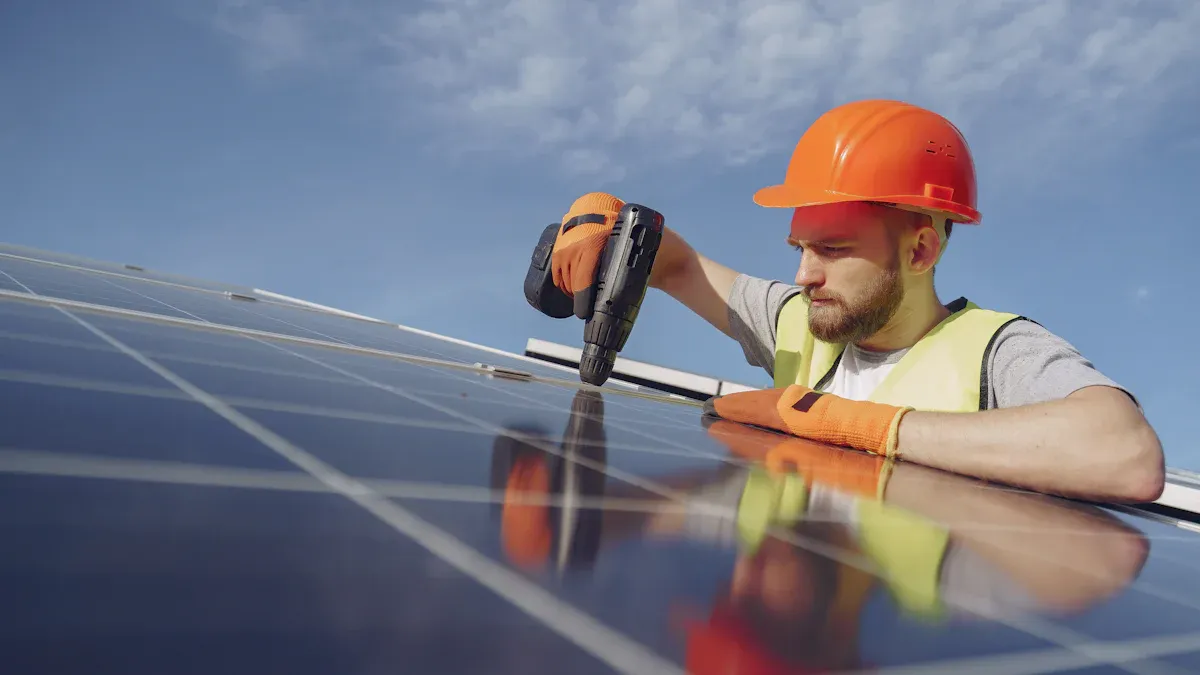
Solar and battery systems deliver clean, reliable energy for construction sites. These systems use solar panels to capture sunlight and store energy in batteries for later use. Many sites now use battery-powered portable stations, which operate quietly and require little maintenance. The average lifespan of commercial solar panels reaches 25 to 30 years, with only a small drop in efficiency over time. Lithium-ion batteries last about 10 to 12 years and need only basic care, such as keeping them cool and dry.
Solar and battery systems offer several advantages over diesel generators:
| Feature | Battery-Powered Portable Station | Diesel Generator |
|---|---|---|
| Power Source | Solar-charged battery | Diesel fuel |
| Reliability | High, few parts to fail | Depends on engine/fuel |
| Noise Level | Silent | Loud |
| Fuel Dependency | None | Needs constant supply |
| Maintenance | Minimal | Frequent |
Hydrogen and Hybrid Solutions
Hydrogen-powered generators and hybrid systems combine different technologies to reduce emissions and fuel use. Hybrid power setups often mix solar, batteries, wind, and hydrogen fuel cells. These systems can replace or reduce the need for diesel generators, which typically use about 1,000 liters of fuel each week. Hydrogen generators produce only water and heat as byproducts, making them a strong choice for sites aiming to cut pollution. Hybrid systems are modular and scalable, so builders can adjust power levels as needed.
BAM Nuttall used hybrid systems at 32 sites, saving 4.6kt of CO2 and about £900,000.
Off-Grid Solar Power Advantages
Off-grid solar power gives construction sites full independence from the grid and fuel deliveries. These systems have higher upfront costs due to batteries and equipment, but they remove ongoing fuel expenses and utility bills. Off-grid solar works well in remote areas or places with frequent outages.
Key benefits include:
- Uninterrupted power supply
- No electricity bills
- Lower long-term costs
- Reliable operation in remote locations
Fuel-Free generator technologies help builders meet sustainability goals while providing steady, eco-friendly power.
Fuel-Free Benefits for Construction Sites
Environmental Impact and Compliance
Construction sites that use Fuel-Free generators help protect the environment. These systems do not burn fossil fuels, so they do not release harmful gases or particles into the air. Many sites now use electric battery or hydrogen-powered equipment to create zero-emission jobsites. Battery-powered machines can match or even exceed the range of diesel or gasoline models. Hydrogen fuel cells generate electricity through chemical reactions, producing only water and heat as byproducts.
Key environmental benefits include:
- No fossil fuel consumption or carbon emissions
- Lower air and noise pollution
- Reduced health risks for workers and nearby communities
- Less impact on climate change
Traditional portable generators emit carbon dioxide and other pollutants. These emissions contribute to air pollution and global warming. Solar-powered generators, on the other hand, produce no emissions and operate quietly. Battery-powered generators store renewable energy and reduce the need for fossil fuels. Advances in solar and battery technology make Fuel-Free generators more efficient and practical for construction power needs.
Many large projects now aim to eliminate diesel generators. For example, the UK's High Speed 2 (HS2) rail project plans to remove all diesel generators by 2029. This move supports net zero emissions goals and follows strict environmental regulations. Hydrogen fuel cell generators also help sites cut direct emissions, as they only emit water vapor.
Practical Power Capabilities
Fuel-Free generators provide reliable power for many construction tasks. They help prevent power outages that can cause costly delays. Solar-powered and hybrid systems keep tools and equipment running, even in remote areas. Portable and hybrid generators offer flexibility, so teams can adapt to changing site needs.
Benefits for project schedules include:
- Reliable power supply reduces downtime
- Flexible systems support different site sizes and needs
- Smoother project execution and fewer delays
A Texas oil refinery switched from diesel generators to the site's electrical grid. This change removed the need for 300,000 gallons of diesel and saved $1.3 million. The site also avoided fuel delivery delays and cut all diesel emissions.
| Aspect | Before Transition | After Transition |
|---|---|---|
| Power Source | Diesel generators requiring 300,000 gallons of diesel | 100% electricity from existing electrical grid |
| Fuel Requirement | High (diesel fuel needed) | None |
| Emissions | High diesel emissions | Zero diesel emissions |
| Operational Risks | Delays due to missed fuel deliveries | No fuel-related delays |
| Cost | High setup and fuel costs | $1.3 million cost savings |
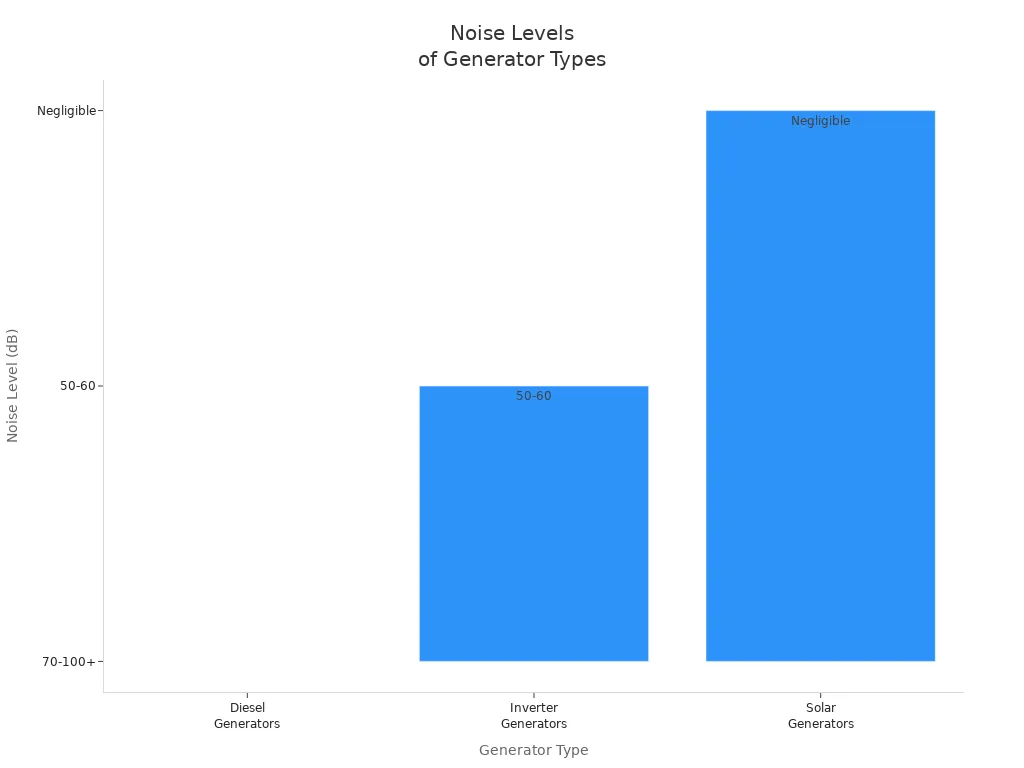
Fuel-Free generators also help reduce noise pollution. Diesel generators often produce 70 to over 100 decibels, which is as loud as a chainsaw. Solar generators operate almost silently, making them better for noise-sensitive areas.
Ease of Use and Maintenance
Fuel-Free generators make daily work easier for construction teams. These systems need less maintenance than diesel models. For example, maintenance checks drop from every 1-2 weeks to once every 2 months. Energy storage systems, like POWRBANK, can cut generator runtime from 24 hours per day to under 4 hours per day.
Advantages include:
- Fewer maintenance checks save time and money
- Less labor needed for refueling and servicing
- Lower risk of fuel spills or delivery delays
- Maintenance can happen without stopping the power supply
Teams in remote locations benefit the most. They spend less time on fuel logistics and more time on building. Energy storage allows for smooth operation, even during maintenance. This efficiency helps projects stay on schedule and within budget.
Fuel-Free generators give construction sites reliable, eco-friendly power. Builders save money over time because these systems lower maintenance, fuel, and downtime costs. Companies also improve their public image by reducing emissions and meeting sustainability goals.
Many believe battery systems cannot replace diesel, but they work well for most projects when used correctly.
FAQ
How long do solar-powered generators last on a construction site?
Solar-powered generators often run for 8 to 12 hours after a full charge. Battery capacity and sunlight affect total runtime.
Tip: Teams can add extra batteries for longer operation.
Can fuel-free generators power heavy equipment?
Fuel-free generators can power small and medium tools. Large machines may need hybrid systems or extra battery packs for enough energy.
| Equipment Type | Fuel-Free Generator | Hybrid System |
|---|---|---|
| Hand Tools | ✅ | ✅ |
| Lighting | ✅ | ✅ |
| Heavy Machinery | ⚠️ | ✅ |
What maintenance do fuel-free generators require?
Teams check connections, clean solar panels, and monitor battery health. Most systems need inspection every two months. No fuel changes or oil checks are necessary.