
 Mobile Generator




How the Solar-powered Smart Controler MPPT Maximizes Solar Efficiency
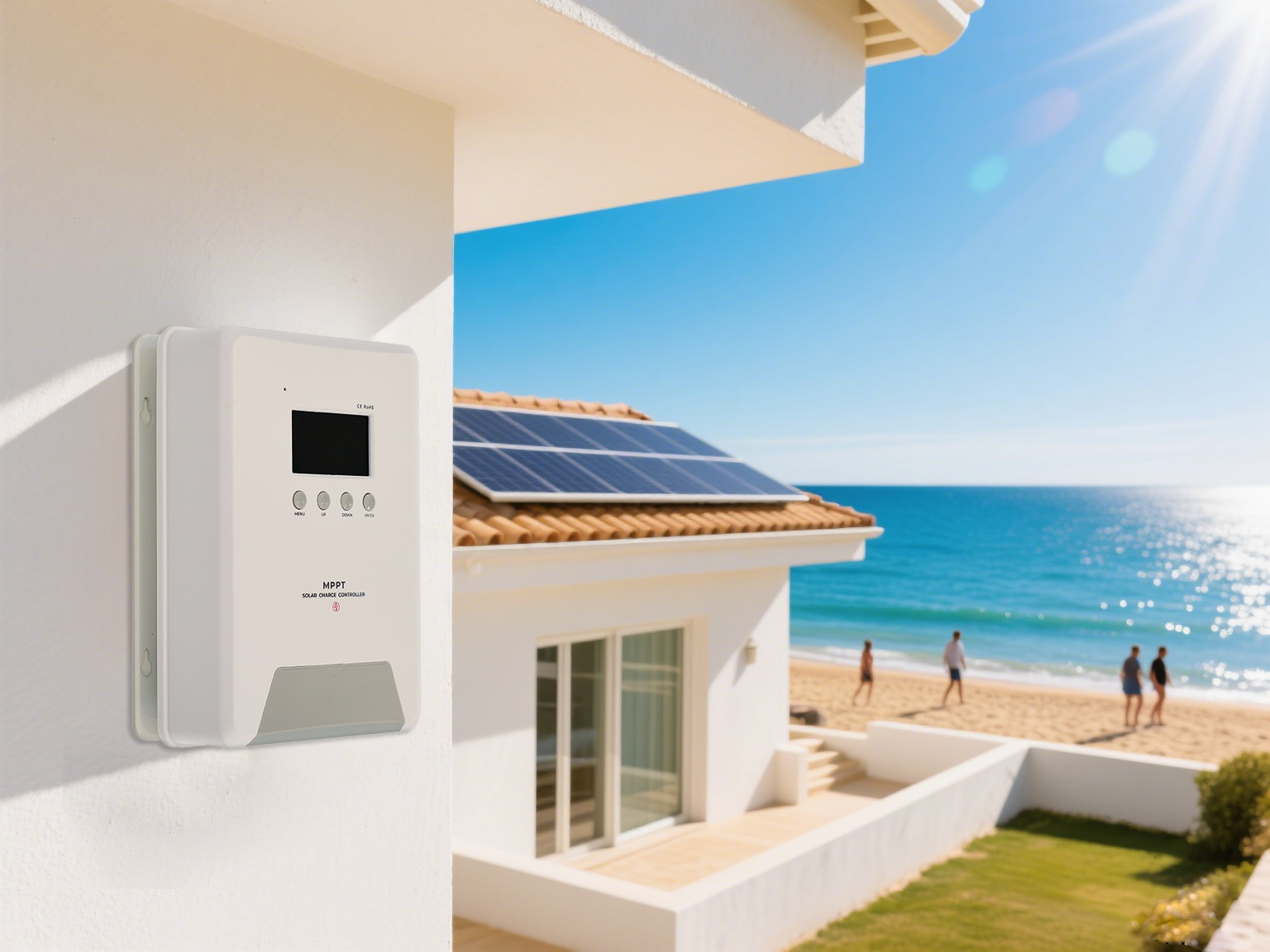
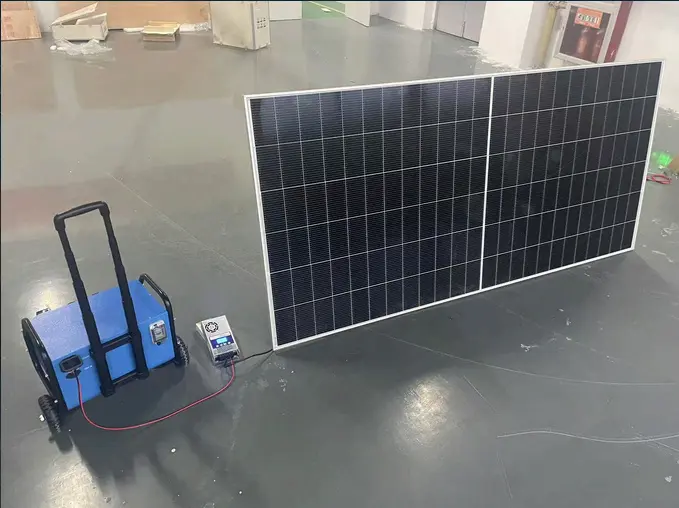
The Solar-powered smart Controler MPPT delivers maximum solar efficiency by tracking the optimal power point for each panel. Users benefit from up to 30% more energy conversion and significant cost savings. This controler also ensures intelligent battery management, extending battery life while adapting to changing sunlight and weather.
Key Takeaways
- The Solar-powered smart Controler MPPT boosts solar energy output by up to 30% through real-time tracking of the panels' optimal power point, adapting to changing sunlight and weather.
- Intelligent battery management in the controller prevents damage by avoiding overcharging and undercharging, which extends battery life and improves system reliability.
- Users benefit from easy real-time monitoring and controls that help maintain peak system performance, reduce downtime, and maximize energy savings.
Understanding MPPT Technology in a Solar-powered Smart Controler
What Is MPPT and How Does It Work?
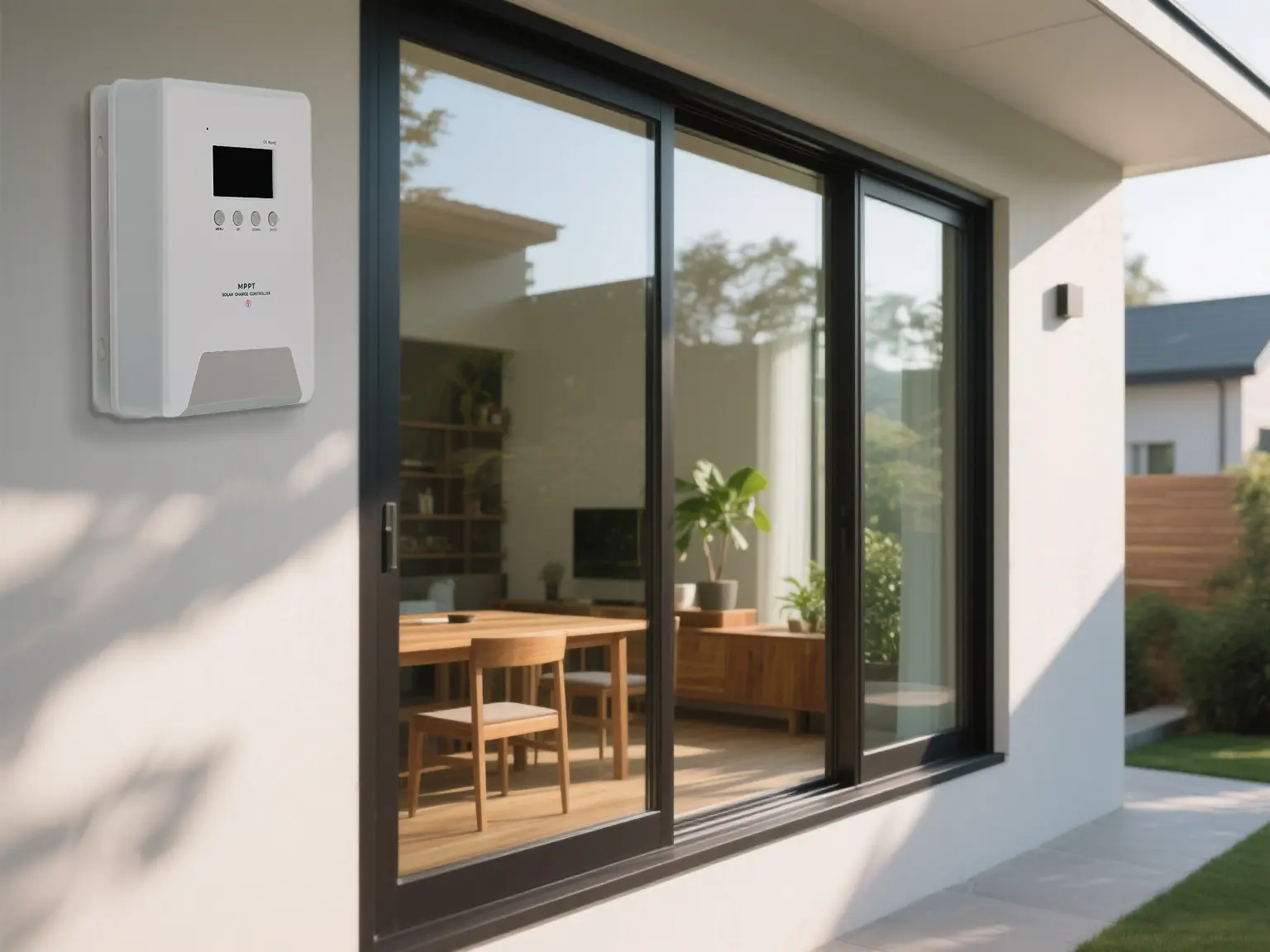
Maximum Power Point Tracking (MPPT) is a technology that enables solar systems to extract the highest possible energy from solar panels at any given moment. The Solar-powered smart Controler MPPT uses advanced algorithms to monitor and adjust the voltage and current from the panels. This process ensures the panels always operate at their optimal point, even as sunlight intensity, temperature, or shading change throughout the day.
MPPT technology works by continuously measuring the output of the solar panels and calculating the point where power output is maximized. The controler then adjusts the operating voltage and current to maintain this maximum power point. This dynamic adjustment can improve system efficiency by up to 30% compared to systems without MPPT. The controler also reduces mismatch losses caused by differences in panel performance, shading, or aging, optimizing each module or string independently.
Tip: MPPT algorithms such as Perturb and Observe, Incremental Conductance, and Fuzzy Logic adapt to real-time environmental data, ensuring the system responds quickly to changing conditions.
The following table summarizes the performance of various MPPT algorithms used in modern controlers:
| MPPT Algorithm Type | Performance Metrics Evaluated | Key Advantages Highlighted |
|---|---|---|
| Perturb and Observe (P&O) | Tracking accuracy, oscillation around MPP, cost | Simple, low cost, but slower tracking and oscillations |
| Incremental Conductance (IC) | Tracking speed, implementation complexity | Better performance than P&O, but more complex |
| Hill Climbing (HC) | Tracking speed, partial shading response | Moderate performance, used in hybrid methods |
| Fuzzy Logic Controller (FLC) | Tracking accuracy, adaptability | Improved tracking under varying conditions |
| Sliding Mode Control (SMC) | Convergence speed, stability under partial shading | Fast convergence, robust control |
| Particle Swarm Optimization (PSO) | Tracking speed, accuracy under partial shading | High accuracy, better performance in dynamic conditions |
| Genetic Algorithms (GA) | Theoretical and experimental performance | Competitive with P&O and IC, adaptable |
These advanced algorithms allow the Solar-powered smart Controler MPPT to deliver stable and efficient energy output, even in challenging environments.
The "Sweet Spot" Analogy for Maximum Power
Solar panels have a specific point where they generate the most power, often called the "sweet spot." This point changes with sunlight, temperature, and shading. The controler uses MPPT technology to find and maintain this sweet spot, ensuring the system always operates at peak efficiency.
For example, a 6.5 kW solar array paired with a 5 kW inverter creates a DC to AC ratio of 1.3. Although the inverter may clip some peak power, it activates earlier in the morning and runs later into the evening. Over a year, this setup captures more total energy than a perfectly matched system, especially in regions with variable weather. This approach demonstrates how finding the right balance, or sweet spot, leads to greater overall energy production.
Research also shows that managing shading and preventing hotspots can maintain higher energy output and system reliability. Hotspots can cause power losses and damage panels, but careful system design and the use of bypass diodes help mitigate these effects. Performance curves under shading conditions illustrate how optimization restores or maximizes energy production.
Panels with efficiency ratings around 19-20% represent another sweet spot. These panels generate about 25% more power than lower-efficiency models, reducing the number of panels needed and lowering installation costs. High-efficiency panels also perform better under varied conditions, ensuring reliable energy output throughout the year.
MPPT vs. Traditional PWM Controlers
MPPT controlers offer significant advantages over traditional Pulse Width Modulation (PWM) controlers. While PWM controlers regulate battery charging by switching the connection on and off, they do not adjust for changing environmental conditions. This limitation results in lower efficiency, especially during periods of low sunlight or temperature fluctuations.
Controlled experiments comparing MPPT and PWM controlers highlight these differences:
| Controller | Average Ambient Temperature (°C) | Average Solar Radiation (W/m²) | Average Efficiency (%) |
|---|---|---|---|
| PWM | 39.35 | 812.95 | 71.42 |
| MPPT | 41.9 | 743.86 | 86.82 |
Despite operating under slightly less favorable conditions, the MPPT controler achieved an average efficiency approximately 15% higher than the PWM controler. The MPPT controler also delivered higher voltage and current during charging, resulting in faster and more complete battery charging.
Note: MPPT controlers reduce mismatch losses, improve energy yield, and provide better performance under partial shading and rapidly changing weather. These benefits make MPPT technology the preferred choice for maximizing solar efficiency.
How Smart Controler Features Maximize Solar Efficiency
Adapting to Changing Sunlight and Weather
Solar energy systems face constant changes in sunlight and weather. The Solar-powered smart controler responds to these fluctuations by dynamically adjusting its settings. Engineering simulations of photovoltaic systems show that MPPT algorithms, such as Perturb and Observe, modify the duty cycle of DC-DC converters to extract maximum power as irradiance and temperature shift. This real-time adaptation ensures that the system maintains high efficiency, even during cloudy, rainy, or cold conditions.
Field data from the University of Washington Solar Test Bed confirms that solar panels continue to generate energy under diverse weather patterns. Monocrystalline panels, for example, deliver the highest efficiency on sunny days and maintain strong performance in low-light or cloudy conditions. In cold climates, panels retain up to 90% efficiency after many years, while in humid regions, output remains stable despite moisture. These results demonstrate that smart controlers help solar systems sustain reliable performance across all seasons.
Optimizing Voltage and Current for Peak Output
The Solar-powered smart controler uses advanced MPPT technology to optimize voltage and current, ensuring the system operates at its peak power point. Technical benchmarks highlight that MPPT controllers function as efficient DC-DC converters, achieving up to 95% conversion efficiency and providing significant voltage gain. The controler continuously matches load resistance with the source resistance, which varies with sunlight and temperature, to maximize energy transfer.
A table of key benchmarks illustrates the process:
| Benchmark Aspect | Description |
|---|---|
| Characteristic Resistance Match | Load resistance equals reciprocal of max power point resistance |
| MPPT Efficiency | Up to 95% conversion efficiency, voltage gain up to 12x input |
| Advanced Algorithms | Tracking efficiency up to 99.46% with APO-MPC algorithm |
| Environmental Adaptability | Real-time voltage adjustment for changing sunlight and temperature |
| High Voltage System Benefits | Longer charging times, wider MPP tracking range, increased energy harvest |
By maintaining optimal voltage and current, the controler boosts overall system efficiency and extends the lifespan of both panels and batteries.
Intelligent Battery Charging and Protection
Battery health is critical for any solar power system. The Solar-powered smart controler uses intelligent charging strategies to prevent overcharging and undercharging, which are leading causes of battery degradation. Empirical studies on lithium-ion batteries show that optimized charging methods can extend battery life by 75% to 250% compared to standard charging profiles. Pre-conditioning strategies further reduce battery aging by up to 26.7% in the first 100 days and about 12.3% over a year.
These intelligent management techniques ensure that batteries operate within safe parameters, maximizing storage efficiency and reducing the need for frequent replacements. The controler’s precise regulation of the charging process leads to longer battery life and more dependable energy storage.
Real-Time Monitoring and User-Friendly Controls
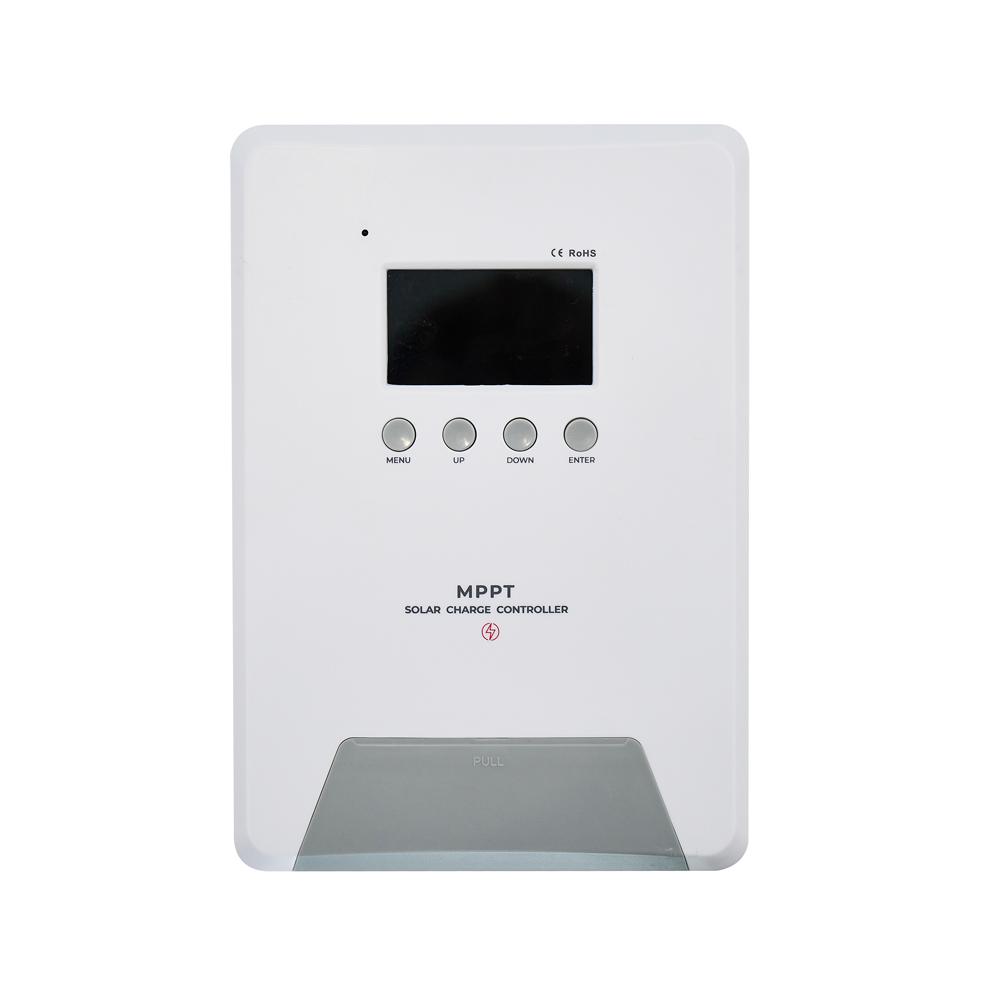
Modern solar systems benefit from real-time monitoring and intuitive controls. The Solar-powered smart controler provides users with live data on voltage, current, and power output, making it easy to track system health and performance. User-friendly interfaces allow for quick adjustments and troubleshooting, reducing downtime and improving overall efficiency.
Key performance indicators influenced by user-friendly controls include:
- Response time: Faster system responses improve user experience.
- Error rate: Fewer errors indicate higher reliability.
- Latency: Lower latency enhances real-time interaction.
- Uptime: High system availability ensures continuous operation.
- User satisfaction: Positive feedback reflects ease of use.
A table of metrics further highlights the impact:
| Metric | Description | Relevance to Efficiency |
|---|---|---|
| Latency | Delay in data transfer | Lower latency improves responsiveness |
| Mean Time to Resolution | Average time to resolve issues | Faster resolution reduces downtime |
| System Uptime | Percentage of operational time | High uptime ensures reliability |
| User Satisfaction Scores | Ratings of user experience | Higher scores reflect better controls |
| Application Response Time | Speed of system response to user input | Faster response boosts efficiency |
These features empower users to maintain optimal system performance with minimal effort.
Real-World Benefits and Measurable Results
Smart controlers deliver tangible improvements in energy efficiency and cost savings. Comparative data from integrated energy systems show that smart controllers reduce energy dissipation by 34%, decrease electricity purchased from the grid by 21%, and increase fuel utilization by 1.4%. Field installations in residential and commercial buildings report energy savings ratios ranging from 5% to 60%, depending on climate and control strategies.
A summary table of field results:
| Location | Building Type | Energy Saving Ratio | Key Factors |
|---|---|---|---|
| Lyon, France | Residential halls | 30% - 60% (heating) | HVAC control, climate, valve use |
| Davis, CA, USA | Residential halls | 5% - 8% (heating) | Control strategy, local climate |
| College Station, TX | Apartments | 11% - 34% (HVAC) | Smart thermostats, occupancy sensors |
These measurable results confirm that smart controlers not only optimize solar energy production but also deliver significant economic and environmental benefits.
The Solar-powered smart Controler MPPT stands out by delivering higher power output and longer battery life, as shown in comparative studies:
| Aspect | ANFIS-based MPPT | PI Controller | FLC |
|---|---|---|---|
| Power Output Efficiency | 99.7% | N/A | N/A |
| Battery Charge Management | Maintains 20%-85% | N/A | N/A |
- Aggregated data from multiple installations confirms reliable energy savings and consistent performance across diverse environments.
FAQ
How does the Solar-powered smart Controler MPPT improve energy efficiency?
The controller tracks the optimal power point. It adjusts voltage and current in real time. This process maximizes energy harvested from solar panels.
Can the controller protect batteries from damage?
Yes. The controller uses intelligent charging algorithms. It prevents overcharging and undercharging. This protection extends battery life and improves reliability.
Is real-time monitoring available for users?
- Users can access live data on voltage, current, and power output.
- The interface provides easy system performance tracking and troubleshooting.