
 Mobile Generator




How to Achieve Reliable Off-Grid Power with a 4.2kW Inverter

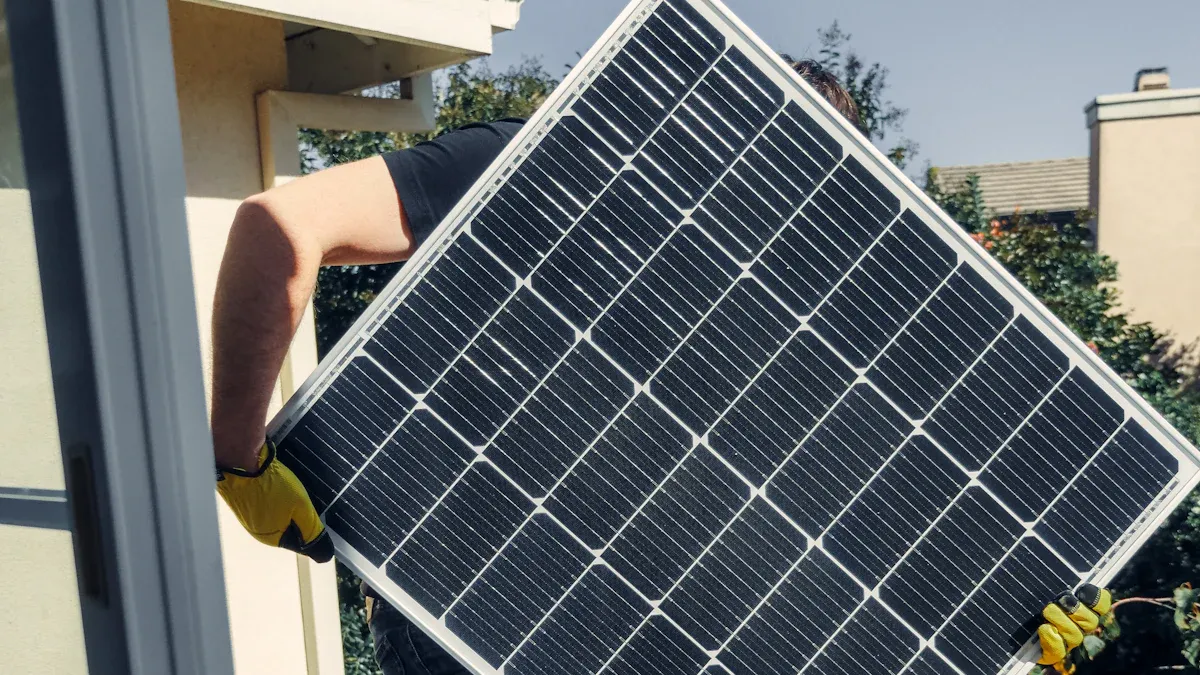
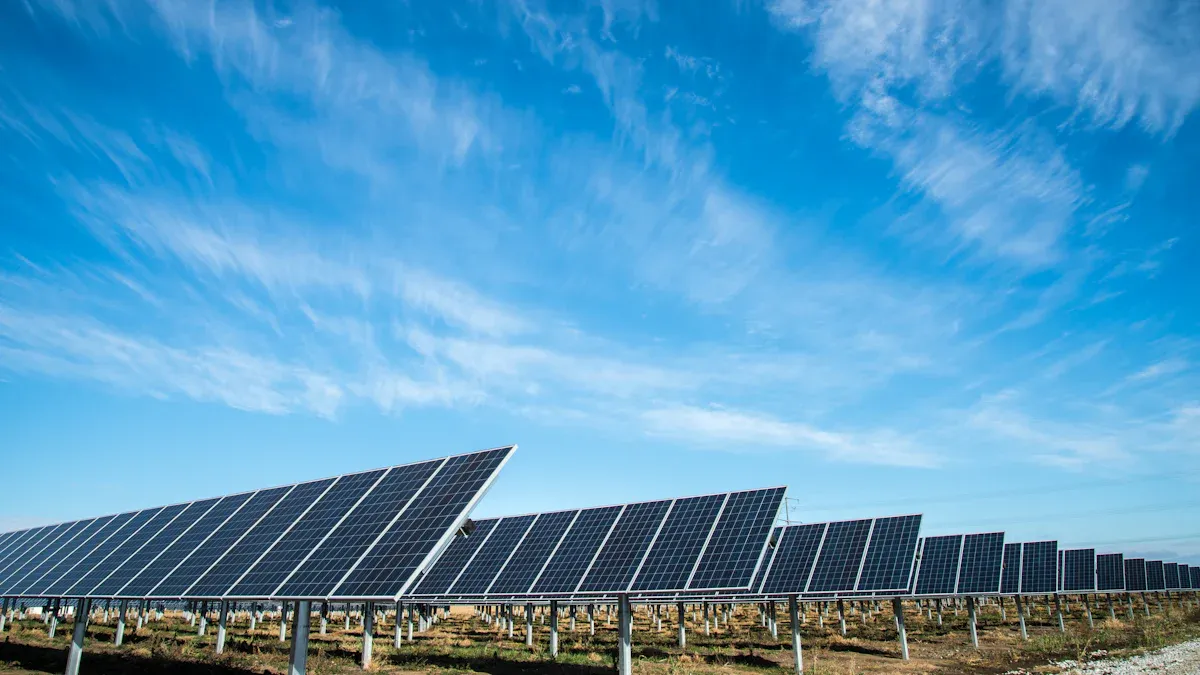
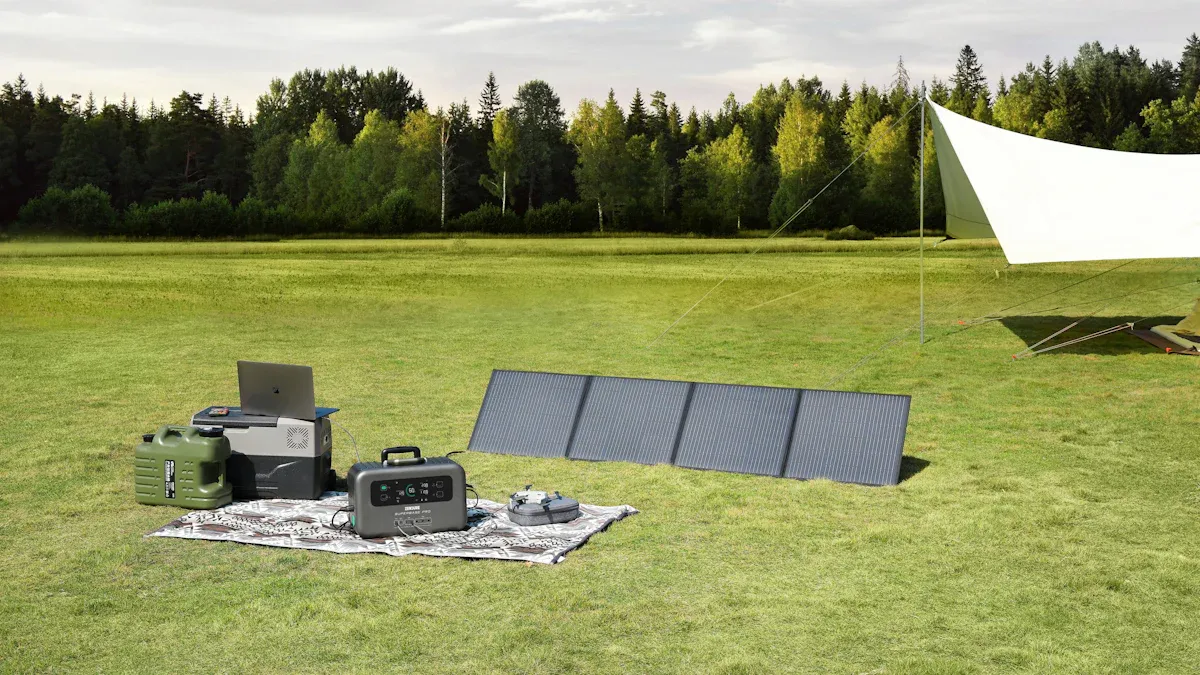
A 4.2kW inverter supplies homes or businesses with dependable off-grid power by converting energy from solar panels or batteries into usable AC electricity. Advanced MPPT technology maximizes energy harvest. Users benefit from integrated management systems that maintain stable, efficient, and consistent power—even in challenging remote environments.
Tip: Real-time monitoring helps users track performance and ensure optimal operation.
Key Takeaways
- A 4.2kW inverter converts solar or battery power into reliable electricity for off-grid homes and businesses, using advanced technology to maximize energy use.
- Choosing the right inverter size and matching it with your energy needs ensures efficient and stable power, while proper installation and regular monitoring keep the system safe and effective.
- Following simple maintenance tips and using smart management features help users enjoy consistent power, protect their equipment, and gain energy independence in remote or emergency situations.
Understanding the 4.2kW Inverter for Off-Grid Power
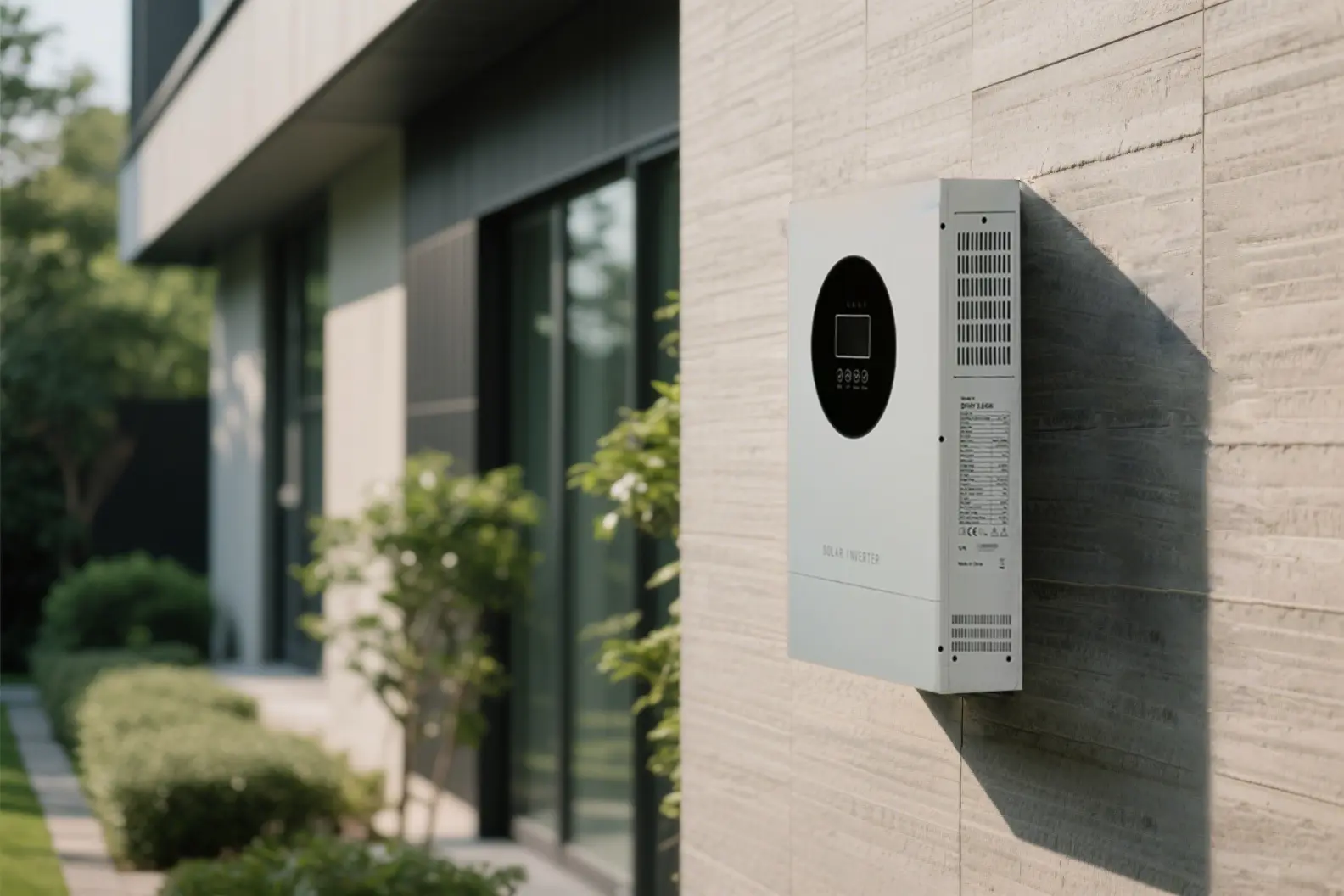
What Is a 4.2kW Inverter and How Does It Work?
A 4.2kW inverter serves as the heart of an off-grid power system. It converts direct current (DC) from solar panels or batteries into alternating current (AC) that powers household appliances and equipment. The process begins when solar panels generate DC electricity from sunlight. The inverter’s advanced MPPT (Maximum Power Point Tracking) controller then adjusts voltage and current to extract the maximum possible energy from the panels. After this, the inverter circuit transforms the DC power into AC power, creating a stable and grid-compliant waveform. The system’s controller manages the flow of energy, distributing it based on demand, battery status, and available solar input. Real-time monitoring and remote control features allow users to optimize performance and manage the system efficiently.
Note: MPPT tracking efficiency can reach up to 99.9%, ensuring optimal solar energy harvesting even when sunlight conditions change.
Essential Components of an Off-Grid Inverter System
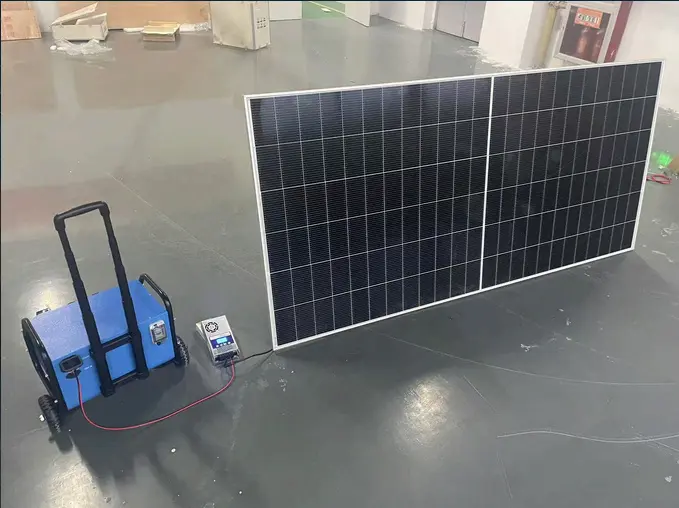
An Off-Grid Inverter system relies on several key hardware components to deliver reliable power:
- The inverter itself, which converts DC to AC power.
- Inverter chargers or hybrid inverters, which combine charging and conversion functions.
- Lithium iron phosphate batteries with integrated battery management systems (BMS) for safe and efficient energy storage.
- MPPT charge controllers, which maximize the efficiency of solar energy capture.
- Monitoring and communication modules for real-time system oversight.
System designers must match the inverter’s voltage to the battery bank and ensure the inverter’s capacity meets the total load demand. Industry standards, such as ISO 9001:2015, guide the selection and certification of these components. Adhering to these standards ensures quality, safety, and compatibility across the system.
How the Inverter Ensures Reliable Power Delivery
The 4.2kW inverter uses advanced engineering to provide consistent and dependable power, even under demanding conditions. Its design supports high inrush currents, peak loads, and variable power requirements. The following table highlights key performance metrics and operational features:
| Metric / Report Aspect | Description / Evidence |
|---|---|
| DC Input Current | Handles up to 125A during compressor start, supporting nearly 3000W inrush power spikes without triggering warnings. |
| Output Current and Power | Delivers peak loads beyond rated 4kW output without voltage sag, over-temperature, or cutouts. |
| Inrush Current Handling | Starts high inrush loads like compressors requiring over 50A startup current. |
| Firmware and System Design | Uses advanced firmware for stability and reliable operation. |
| Shore Power Integration | Balances loads and operates on low amperage shore power, adapting to variable input sources. |
| User Experience | Users report robust and reliable performance, with continuous operation under varying load conditions. |
The inverter’s high-frequency technology results in a compact size and high power density. Protection features, such as overload, short circuit, and temperature safeguards, further enhance reliability. The system operates efficiently across a wide temperature range, making it suitable for diverse environments.
Setting Up and Operating Your 4.2kW Inverter System
Choosing and Sizing the Right Inverter for Your Needs
Selecting the correct inverter for an off-grid system starts with a clear understanding of energy requirements. Users should list all appliances and devices, noting their power ratings and expected usage hours. This approach helps determine both continuous and peak power demands. For sensitive electronics, a Pure Sine Wave Inverter offers the best performance and protection.
The DC-to-AC ratio, also known as the inverter loading ratio, plays a significant role in system efficiency. Oversizing the solar array compared to the inverter can increase annual energy harvest, even if some energy is lost to clipping. The following table illustrates how different ratios affect energy production:
| DC-to-AC Ratio | Annual AC Energy Production | Energy Lost to Clipping |
|---|---|---|
| 1.0 | Baseline energy output | No clipping |
| 1.3 | Increased energy output | Minimal clipping (~0.9%) |
| 1.5 | Highest energy output | Higher clipping (~4.8%) |
Users should balance the benefits of higher energy harvest with the potential for minor energy loss. For most off-grid applications, a ratio between 1.0 and 1.3 provides optimal results.
Key steps for sizing a 4.2kW inverter include:
- Calculating total wattage of all loads.
- Considering startup surges for devices like refrigerators or pumps.
- Allowing a safety margin for unexpected power needs.
Installation and Connection Steps for Off-Grid Inverter Systems
Proper installation ensures reliable and safe operation. The 4.2kW Solar Off-Grid Multi-in-One MPPT Inverter features a compact design, making setup straightforward. Installers should follow these general steps:
- Mount the inverter securely on a stable surface, away from direct sunlight and moisture.
- Connect the solar panels to the inverter’s DC input terminals, ensuring correct polarity.
- Attach the battery bank, matching the inverter’s supported voltage (12V, 24V, or 48V).
- Link the inverter’s AC output to the home or facility’s distribution panel.
- Integrate monitoring modules for real-time system oversight.
- Double-check all connections for tightness and proper insulation.
Tip: Always use appropriately rated cables and fuses to prevent overheating and electrical hazards.
Installers should consult the manufacturer’s manual for specific wiring diagrams and safety guidelines. Professional installation is recommended for complex systems or high-power applications.
Tips for Safe, Efficient, and Reliable Inverter Operation
Operating an off-grid inverter system requires attention to safety and efficiency. Users can follow these best practices:
- Monitor system status regularly using the built-in intelligent management system.
- Keep the inverter and battery area clean and well-ventilated.
- Avoid overloading the inverter by staying within its rated capacity.
- Schedule periodic maintenance checks for wiring, terminals, and batteries.
- Use remote monitoring features to track performance and address issues promptly.
Note: The smart management system in the 4.2kW inverter automatically optimizes power distribution, ensuring stable supply even when solar generation fluctuates.
By following these guidelines, users can maximize the lifespan and reliability of their off-grid power system. Consistent monitoring and proactive maintenance help prevent downtime and protect valuable equipment.
A properly selected and maintained inverter stands as the foundation for reliable off-grid power. Users benefit from these advantages:
- Energy independence for remote or emergency scenarios
- Reliable operation of essential appliances during outages
- Efficient integration with renewable energy sources
- Customizable management features for sustained performance
FAQ
How does the 4.2kW inverter handle power surges?
The inverter manages power surges with advanced firmware and high inrush current capability. It protects appliances and maintains stable operation during sudden load increases.
Can users monitor the inverter remotely?
Users access real-time data and system status through remote monitoring features. This function allows quick troubleshooting and performance tracking from any location.
What types of batteries work with this inverter?
- Lithium iron phosphate batteries
- Lead-acid batteries
The inverter supports multiple battery chemistries for flexible energy storage options.