
 Mobile Generator



Innovations in Charging and Discharging for Mobile Energy Solutions
Innovations in charging and discharging processes are crucial for the future of mobile energy solutions. You rely on mobile energy storage generators to provide power in various situations. Efficiency in mobile energy storage and management directly impacts how effectively you can utilize these resources.
Key Takeaways
- Lithium Iron Phosphate (LFP) batteries are safe, long-lasting, and environmentally friendly, making them ideal for mobile energy storage.
- Efficient charging and discharging processes are crucial for maximizing energy use in mobile systems, focusing on fast charging and smart discharging.
- Control systems, including Battery Management Systems (BMS) and Energy Management Systems (EMS), ensure safe operation and optimize energy flow in mobile energy solutions.
Energy Storage System: The Foundation of Mobile Energy
Lithium Iron Phosphate (LFP) Batteries
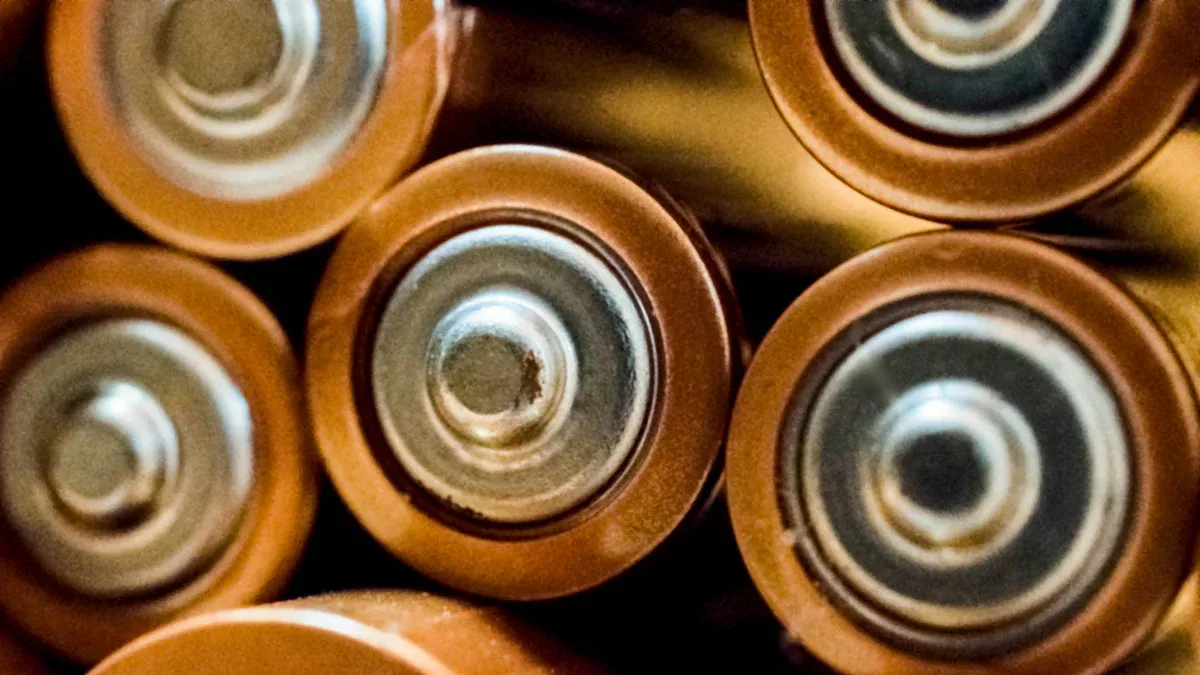
Lithium Iron Phosphate (LFP) batteries stand out as a popular choice for mobile energy solutions. You will find these batteries in various applications due to their safety, stability, and long life. Here are some key benefits of LFP batteries:
- Safety: LFP batteries are less prone to overheating and thermal runaway compared to other lithium-ion batteries.
- Longevity: They can endure many charge and discharge cycles, often exceeding 2,000 cycles.
- Environmental Impact: LFP batteries use non-toxic materials, making them more environmentally friendly.
These advantages make LFP batteries ideal for mobile energy storage systems, where reliability and safety are paramount.
Charging and Discharging Processes
The charging and discharging processes are critical for the efficiency of mobile energy systems. When you charge an LFP battery, you convert electrical energy into chemical energy. This process involves applying a voltage that forces lithium ions to move from the cathode to the anode.
During discharging, the process reverses. Lithium ions move back to the cathode, releasing stored energy as electrical power. This flow of energy is essential for powering your devices or systems.
To optimize these processes, manufacturers focus on:
- Fast Charging: Reducing the time it takes to charge batteries without compromising safety.
- Smart Discharging: Ensuring that energy is released efficiently based on demand.
These innovations enhance the overall performance of mobile energy solutions, allowing you to maximize your energy usage.
Case Study: Bao'an, Shenzhen Project
The Bao'an project in Shenzhen serves as an excellent example of how innovative energy storage systems can transform mobile energy solutions. This project utilizes LFP batteries to provide reliable power for various applications, including electric vehicles and renewable energy integration.
Key highlights of the Bao'an project include:
- Scalability: The system can easily expand to meet increasing energy demands.
- Integration with Renewables: It effectively stores energy generated from solar and wind sources, ensuring a steady power supply.
- Real-time Monitoring: Advanced control systems allow for real-time monitoring of battery performance, enhancing safety and efficiency.
This project demonstrates the potential of LFP batteries and efficient charging and discharging processes in creating sustainable mobile energy solutions. You can see how these innovations pave the way for a greener future.
Power Conversion System: Enabling Efficient Energy Flow
The power conversion system plays a vital role in mobile energy solutions. It ensures that energy flows efficiently between different forms. You can think of this system as the bridge that connects your energy storage with your devices.
Charging Conversion: AC to DC
When you charge your mobile energy storage system, you often use alternating current (AC) from the grid. However, batteries require direct current (DC) for charging. The conversion from AC to DC is essential for this process.
Here’s how it works:
- Rectification: The AC voltage first passes through a rectifier. This device converts AC into DC.
- Filtering: After rectification, the DC voltage may still have ripples. A filter smooths out these ripples, providing a steady DC output.
- Regulation: Finally, a regulator ensures that the voltage remains constant, protecting your battery from overcharging.
This conversion process allows you to efficiently charge your batteries, ensuring they are ready for use when you need them.
Discharging Conversion: DC to AC
When you use energy stored in your batteries, you need to convert DC back to AC. Most appliances and systems operate on AC power. The discharging conversion process involves several steps:
- Inversion: The DC power from the battery goes through an inverter. This device changes DC into AC.
- Smoothing: Similar to the charging process, the AC output may need smoothing to ensure a clean power supply.
- Synchronization: The inverter synchronizes the output with the grid frequency, ensuring compatibility with your devices.
This conversion allows you to utilize the stored energy effectively, powering your devices seamlessly.
Example: PetroChina's Liaohe Oilfield Project
PetroChina's Liaohe Oilfield Project showcases the importance of an efficient power conversion system in mobile energy applications. This project uses a combination of LFP batteries and advanced power conversion technology to meet its energy needs.
Key features of the Liaohe Oilfield Project include:
- High Efficiency: The system achieves high efficiency in both charging and discharging processes, minimizing energy loss.
- Robust Design: The power conversion system is designed to handle varying loads, ensuring reliable energy supply.
- Integration with Renewable Sources: The project integrates renewable energy sources, enhancing sustainability.
By implementing these technologies, PetroChina demonstrates how effective power conversion can enhance mobile energy solutions in demanding environments.
Control System: Ensuring Safe and Optimal Operations
The control system is vital for ensuring safe and optimal operations in mobile energy solutions. It consists of two main components: the Battery Management System (BMS) and the Energy Management System (EMS). Together, these systems help you manage energy efficiently.
Battery Management System (BMS)
The BMS monitors and controls the battery's performance. It ensures that you operate the battery within safe limits. Here are some key functions of a BMS:
- Voltage Monitoring: It checks the voltage of each cell to prevent overcharging.
- Temperature Control: It monitors temperature to avoid overheating.
- State of Charge (SoC): It calculates how much energy remains in the battery.
By performing these functions, the BMS enhances the safety and longevity of your mobile energy storage.
Energy Management System (EMS)
The EMS optimizes energy usage across your devices. It helps you manage when and how to use stored energy. Key features include:
- Load Forecasting: It predicts energy demand to ensure you have enough power.
- Energy Scheduling: It decides the best times to charge and discharge based on demand and supply.
- Integration with Renewables: It coordinates with renewable energy sources to maximize efficiency.
With an EMS, you can ensure that your mobile energy solutions operate smoothly and effectively.
Example: Shenzhen Project's Intelligent Management
The Shenzhen Project showcases intelligent management in action. It uses advanced BMS and EMS technologies to optimize energy flow. Real-time data allows for quick adjustments, ensuring safety and efficiency. This project exemplifies how effective control systems can enhance mobile energy solutions.
Innovations in charging and discharging technologies significantly improve mobile energy solutions. You benefit from enhanced efficiency, safety, and integration with renewable sources. Future trends will likely focus on faster charging, smarter management systems, and sustainable materials. Continued innovation remains essential for a greener energy landscape. 🌱
FAQ
What are the main components of mobile energy storage systems?
Mobile energy storage systems consist of three main components: the energy storage system, the power conversion system, and the control system.
How do LFP batteries differ from other lithium-ion batteries?
LFP batteries offer enhanced safety, longer life cycles, and a lower environmental impact compared to other lithium-ion batteries.
Why is energy management important in mobile energy solutions?
Energy management optimizes energy usage, ensuring you have enough power when needed while minimizing waste and enhancing efficiency.