
 Mobile Generator




Sun-charged by day, family-lit by night—mini solar lamp

Mini solar lamps offer numerous benefits for both outdoor and indoor settings. They convert sunlight into electricity, eliminating electricity costs and promoting energy savings. These eco-friendly solutions produce no pollution, making them a safe choice for families. Their durable design ensures long-lasting use, enhancing family gatherings with warm, inviting light.
Key Takeaways
- Mini solar lamps convert sunlight into electricity, saving on energy costs and reducing pollution.
- Regular maintenance, like cleaning solar panels and checking batteries, ensures optimal performance and longevity.
- Strategic placement of lamps enhances ambiance and safety, making outdoor gatherings more enjoyable.
Harnessing Solar Energy
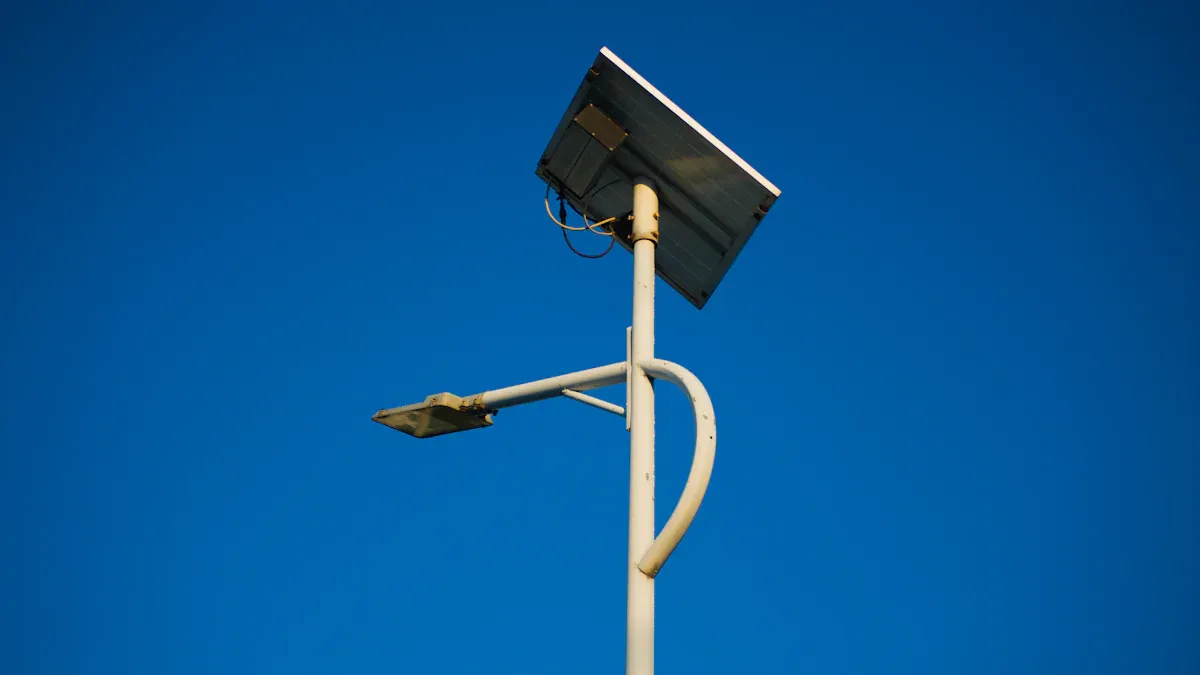
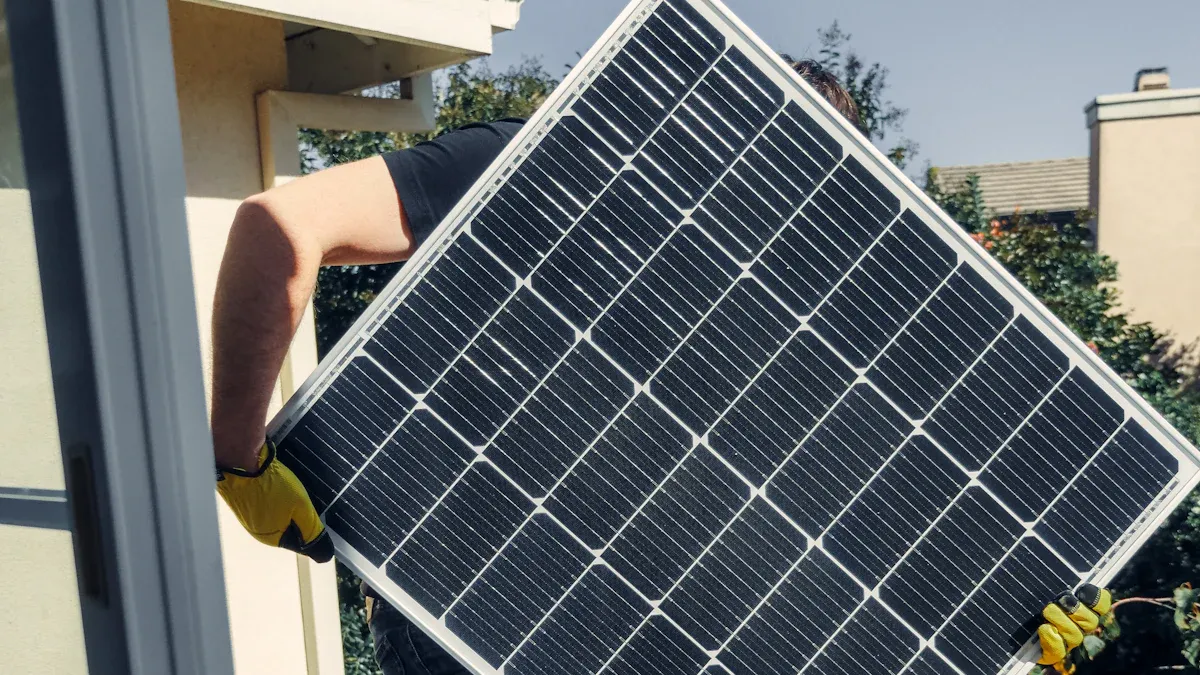
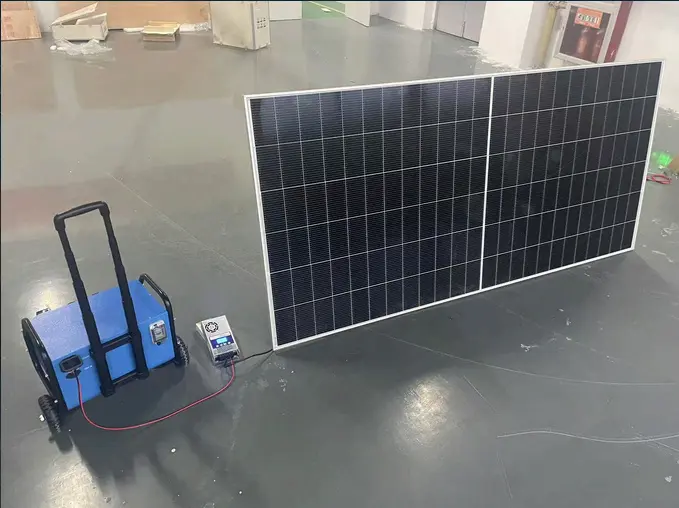
Mini solar lamps utilize sunlight to generate energy, making them an efficient and eco-friendly lighting solution. These lamps consist of several key components that work together to convert solar energy into usable electricity.
| Component | Function |
|---|---|
| Solar Panel | Converts sunlight into electrical energy, influencing the amount of energy generated. |
| Battery | Stores energy for later use, with varying capacities affecting operational duration. |
| LED Light | Provides efficient illumination with minimal energy consumption compared to traditional bulbs. |
| Control Circuitry | Manages electricity flow and regulates operation, optimizing energy use and prolonging battery life. |
The solar panel plays a crucial role in this process. It captures sunlight during the day and converts it into electrical energy. The efficiency of this conversion can vary based on several factors, including the quality of the solar panel and the intensity of sunlight. Recent advancements in photovoltaic technology have significantly improved the performance of these panels, allowing even smaller solar lamps to generate energy comparable to larger models.
Once the solar energy is converted, the battery stores it for nighttime use. Most mini solar lamps can illuminate for an average of 6 to 10 hours after sunset, with some models lasting up to 12 hours. This capability allows families to enjoy outdoor activities well into the evening without worrying about power sources.
However, weather conditions can impact the charging efficiency of mini solar lamps. For instance, cold weather increases internal resistance in batteries, leading to reduced efficiency. Additionally, shorter daylight hours and lower sunlight intensity during winter can diminish the energy collected by solar panels. On rainy days, the lack of sunlight directly affects the charging capacity, resulting in shorter operational times for the lamps.
Despite these challenges, mini solar lamps remain a sustainable choice. They harness renewable solar energy, reducing reliance on fossil fuels and contributing to lower carbon emissions. In contrast, traditional battery-powered lamps depend on non-renewable energy sources, which can lead to higher energy consumption and increased environmental impact.
Versatility in Design
Mini solar lamps come in a variety of designs, each tailored to meet specific functional needs. This versatility allows users to select lamps that best suit their environments and purposes. For instance, the efficiency of solar lamps significantly depends on the type of solar panel used. GaInP modules convert 23.1% of LED light to power, while GaAs modules achieve 14.1%, and silicon modules only 9.3%. This variation directly impacts the performance of indoor solar lamps, making the choice of panel crucial for optimal functionality.
Here are some notable design features that enhance the usability of mini solar lamps:
- Waterproof Priority: IP68-rated submersible lights work effectively in wet environments, making them ideal for ponds or pools.
- Angle Adjustments: Adjustable lights maximize reflections and minimize glare, ensuring better illumination.
- Atmospheric Depth: Hanging solar lights create a magical ambiance under trees and pergolas, perfect for outdoor gatherings.
- Vehicle Safety: Driveway markers improve safety and curb appeal, guiding vehicles effectively.
- Security: Bright floodlights deter intruders and highlight architectural features, enhancing home security.
Recent advancements in solar lamp technology include pressure-resistant casings for submersible lights and RGBIC technology for color transitions. These innovations cater to various functional needs, from enhancing outdoor ambiance to improving security. The main materials used in mini solar lamps include stainless steel, aluminum alloy, and polycrystalline solar panels, ensuring durability and efficiency.
Creating Cozy Atmospheres
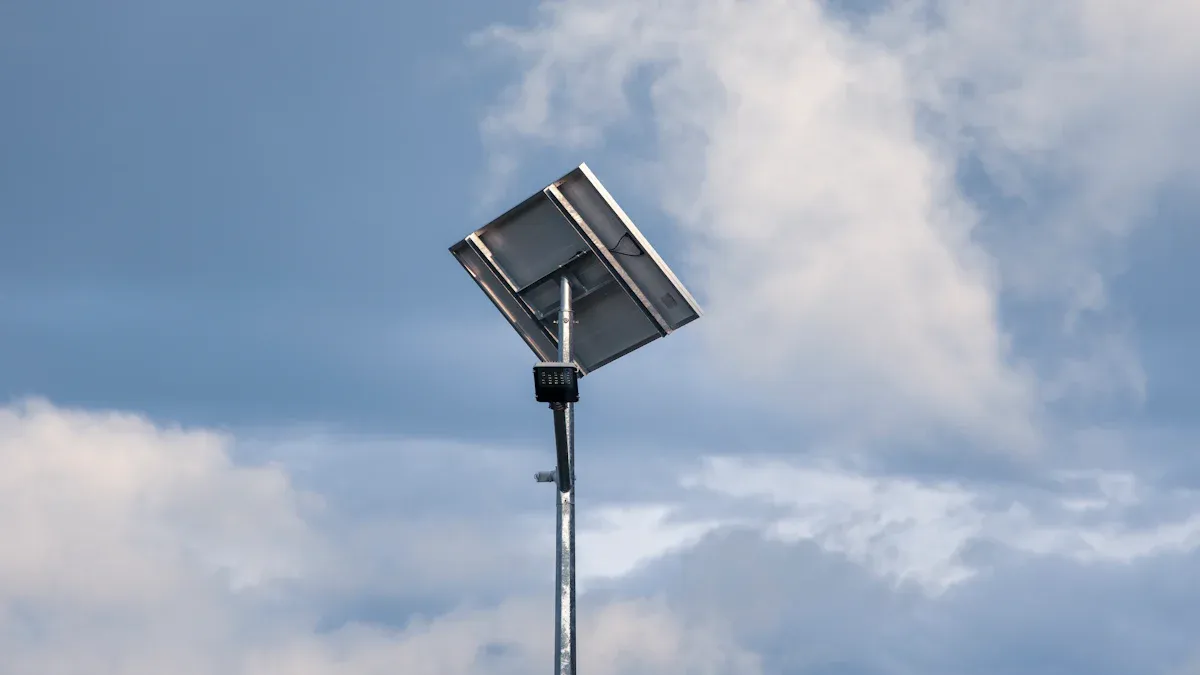
Mini solar lamps play a significant role in crafting warm and inviting environments, especially during family gatherings. Their soft, ambient lighting enhances outdoor experiences, creating a tranquil mood that fosters intimacy. Families can enjoy conversations and relaxation in cozy spaces illuminated by these lamps.
The magical flickering glow of mini solar lamps instantly transforms any area into a welcoming haven. Users can customize lanterns with seasonal fillers and change their placement to suit different gatherings. This flexibility allows families to adapt their lighting to match the occasion, whether it’s a summer barbecue or a winter holiday celebration.
When selecting mini solar lamps for indoor use, the color temperature of the light is crucial. Warm lighting, typically ranging from 2700K to 3000K, creates a softer atmosphere. This color temperature is ideal for cozy indoor spaces such as living rooms, bedrooms, and dining areas. The warm colors of the spectrum contribute to an inviting environment, enhancing the overall ambiance.
To maximize comfort and visibility, strategic placement of mini solar lamps is essential. Positioning them where they receive 6 to 8 hours of direct sunlight daily ensures optimal performance. Avoid shaded areas caused by trees or structures. For aesthetic balance, cluster lights near focal points and space them evenly along pathways to prevent dark zones. Each lamp should serve a clear purpose; for instance, pathway lights should be spaced 6 to 8 feet apart, while accent lights should be angled to highlight features. This thoughtful arrangement not only enhances visual appeal but also improves safety and functionality.
Users consistently rate the ambiance created by mini solar lamps highly compared to other lighting options. For example, the Starryfill Color-Changing Mosaic Lights receive a high ambiance rating due to their soft, calming effects with multicolor LEDs. In contrast, Bridika Solar Fence Lights offer moderate ambiance, popular for adding ambient lighting without hardwiring. LIANGLOME Solar Lamp Post Lights also achieve a high rating, focusing on decorative warmth rather than visibility.
Practical Tips for Use
To ensure optimal performance of mini solar lamps, users should follow several practical maintenance and installation tips:
-
Clean the Panels: Regularly clean solar panels to maximize sunlight capture. Dust and debris can block sunlight, reducing efficiency. Aim to clean them every 2-3 months, especially in dusty areas or after pollen season.
-
Inspect Batteries and Connections: Regularly check batteries for corrosion and performance issues. Ensure all connections are intact to prevent inefficiencies. If lights flicker or dim, inspect the solar panels and batteries for dirt and charge levels.
-
Effective Storage: Store solar lights indoors in a cool, dry place when not in use. Consider removing batteries for long-term storage to prolong their lifespan.
-
Avoid Common Installation Mistakes:
Mistake Explanation How to Avoid It Poor Wiring Connections Loose cables can lead to inefficiency. Ensure all connections are insulated and firmly attached. Neglecting Maintenance Lack of a schedule can lead to failures. Schedule routine cleaning and checks every three to six months. Ignoring Environmental Factors Environmental conditions can shorten lifespan. Choose systems with appropriate weather resistance. -
Safety Precautions: Position solar lights away from artificial light sources to ensure proper sensor functionality. Maintain clear surroundings around the lights to prevent debris from blocking solar panels. Regularly inspect batteries for leakage and replace them if necessary.
By following these tips, families can enhance the longevity and effectiveness of their mini solar lamps, ensuring they provide reliable lighting for gatherings and outdoor activities.
Mini solar lamps offer significant energy efficiency benefits. They reduce reliance on traditional energy sources, leading to lower electricity bills and long-term savings. 🌞 Families enjoy enhanced experiences, from cozy gatherings to improved safety. Consider integrating mini solar lamps into your home for a sustainable and inviting atmosphere.
- Benefits of Mini Solar Lamps:
- No wiring needed
- Eco-friendly
- Automatic on-off feature
FAQ
What are mini solar lamps made of?
Mini solar lamps typically consist of durable materials like stainless steel, aluminum alloy, and polycrystalline solar panels.
How long do mini solar lamps last?
Most mini solar lamps provide illumination for 6 to 10 hours after a full charge, depending on the model and sunlight exposure.
Can mini solar lamps work in winter?
Yes, mini solar lamps can work in winter, but reduced sunlight may affect their charging efficiency and operational duration.