
 Mobile Generator



The Working Principle of Mobile Energy Storage Generators
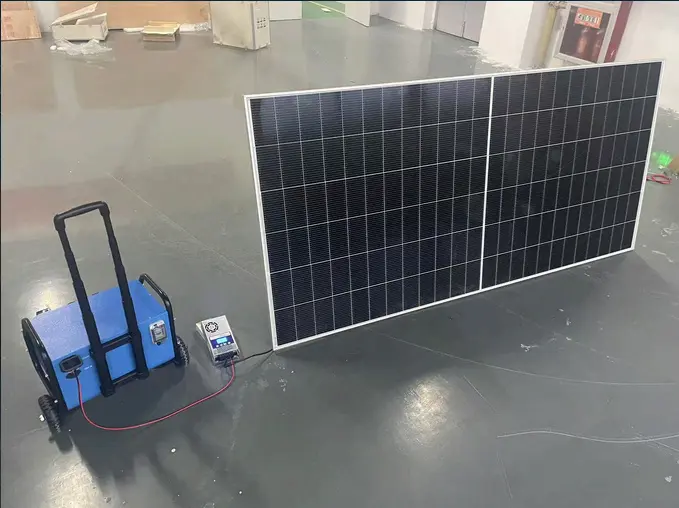
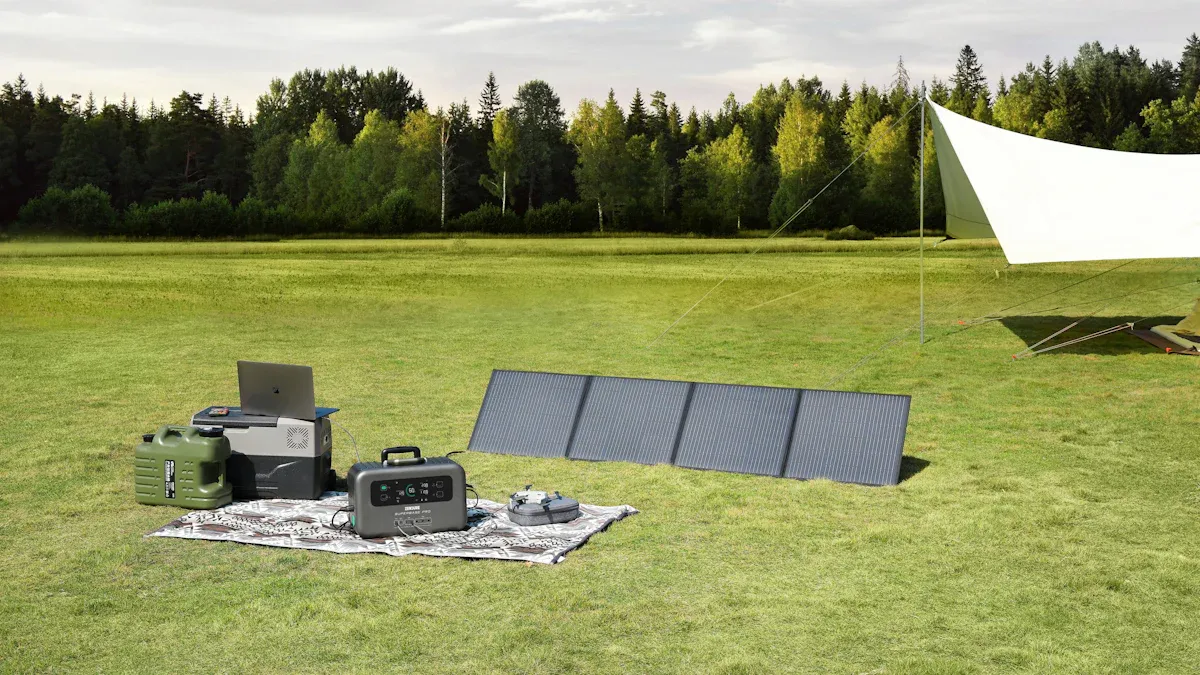
Mobile energy storage generators are primarily composed of three core components: the energy storage system, the power conversion system, and the control system. These components work in concert to store, manage, and output electrical energy.
Energy Storage System: The "Reservoir" of Electrical Energy
The energy storage system of mobile energy storage generators typically employs lithium batteries, with lithium iron phosphate (LFP) batteries being the most common. The working principle is based on the reversible movement of lithium ions between the positive and negative electrodes. During charging, electrical energy from an external power source is input, causing lithium ions to be extracted from the positive electrode and embedded into the negative electrode through the electrolyte, storing the electrical energy in the form of chemical energy within the battery. When discharging, the lithium ions move in the opposite direction, being extracted from the negative electrode and embedded back into the positive electrode, converting the chemical energy back into electrical energy for output. For example, in the demonstration project in Bao'an, Shenzhen, where mobile energy storage vehicles replaced diesel generators, the LFP batteries equipped on the vehicles, with their high energy density, long cycle life, and good safety performance, stably stored electrical energy and provided reliable power for construction use.
Power Conversion System: The "Transporter" of Electrical Energy
- **Charging Conversion**: When connected to an external power source for charging, the charging module in the power conversion system comes into play. It converts the input alternating current (AC) into direct current (DC) suitable for battery storage through rectification and other transformations. This process is akin to repackaging goods of different specifications so that they can be smoothly stored in the "warehouse" (battery). In this stage, the charging module precisely controls the current and voltage to ensure that the battery charges safely and efficiently, extending its service life.
- **Discharging Conversion**: When power supply is needed, the direct current output from the battery must be converted back into alternating current to meet the requirements of most electrical devices. At this point, the inverter, as a key component, converts the DC into AC with standard frequency and voltage. It is like repackaging the goods in the warehouse into specifications needed in the market. For example, in the "photovoltaic and energy storage supply" project at the drilling site of PetroChina's Liaohe Oilfield, the inverter in the mobile energy storage power supply device converts the DC stored in the battery into AC, providing stable power for drilling equipment and ensuring smooth operations.
Control System: The "Intelligent Brain" of Operation
- **Battery Management System (BMS)**: The BMS can be regarded as the "personal caretaker" of the battery. It continuously monitors parameters such as the battery's voltage, current, and temperature, much like a doctor constantly monitoring a patient's vital signs. Based on these data, the BMS can accurately calculate the battery's state of charge (SOC) and state of health (SOH). When the battery experiences abnormal conditions such as overcharging, over-discharging, or overheating, the BMS quickly takes measures, such as adjusting the charging current or cutting off the circuit, to protect the battery's safety and prevent dangerous situations like thermal runaway, ensuring the stable operation of the energy storage system.
- **Energy Management System (EMS)**: The EMS acts as the "commander" of the entire mobile energy storage generator. It coordinates the work of all components and intelligently formulates charging and discharging strategies based on the battery's condition, power demand, and the status of external power sources. For example, during periods of low electricity demand, the EMS controls the device to charge from the grid at a lower cost; during peak demand periods, it prioritizes using stored energy to supply power, achieving "peak shaving and valley filling" and reducing electricity costs. In the demonstration project in Shenzhen, the EMS, through intelligent management and control, enabled the mobile energy storage vehicle to replace diesel generators in the early stages of construction and optimize power usage in coordination with the temporary electrical transformers in the later stages, improving energy utilization efficiency.