
 Mobile Generator



Top Lithium Solar Generators Under 15kg for Disaster Relief
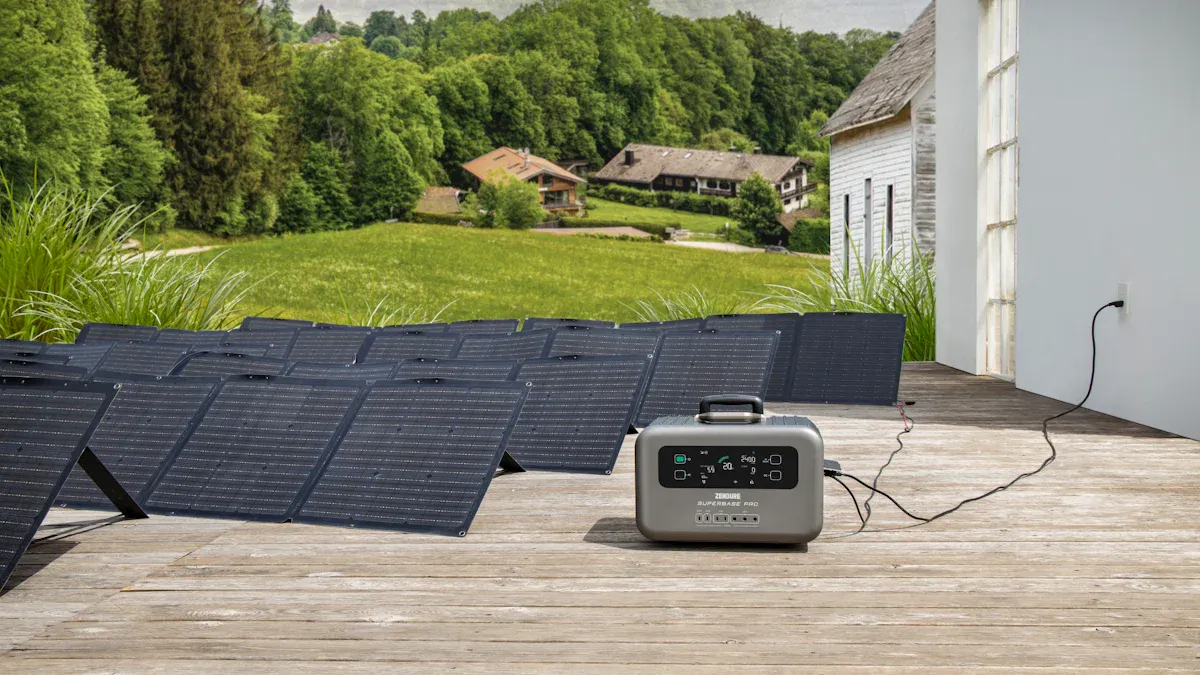
Disaster relief teams depend on Lithium solar generators under 15kg for dependable power in emergencies. Their lightweight design enables rapid deployment and easy transport. These generators keep essential devices and communication tools operational when traditional energy sources become unavailable.
Key Takeaways
- Lithium solar generators under 15kg offer lightweight, portable power that disaster relief teams can quickly deploy and transport in tough environments.
- These generators provide reliable, quiet, and sustainable energy to keep essential devices running during emergencies, improving team coordination and response.
- Minimal maintenance and durable design ensure long-lasting performance, letting teams focus on relief work without worrying about frequent upkeep.
How Lithium Solar Generators Work
Key Components of Lithium Solar Generators
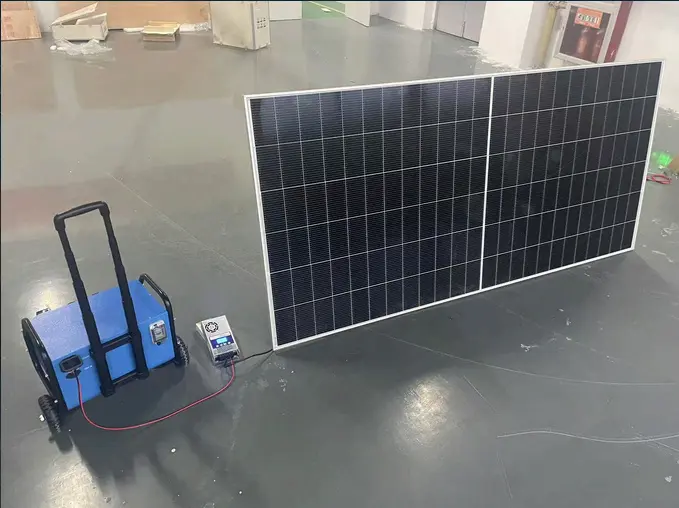
Lithium solar generators under 15kg include several essential parts that enable efficient and reliable power delivery. These components work together to provide portable energy solutions for disaster relief teams:
- Lithium Iron Phosphate (LiFePO4) battery stores energy safely and offers a long cycle life.
- Inverter supplies AC output (230V, 50Hz, Modified Sine Wave) for running standard appliances.
- Multiple DC output ports (ranging from 5V to 12V) support various devices, including two 5V USB ports and four 12V DC ports.
- Four charging input methods: AC inbuilt charger, solar panel PV charger, car charge input (cigarette socket), and LPG/petrol genset charger.
- LED indicators display battery status using eight status LEDs.
- Built-in 15W high power LED light provides illumination in low-light conditions.
- Compact, lightweight design ensures easy transport and deployment in the field.
These features make lithium solar generators versatile and practical for both household and outdoor emergency use.
The Solar-to-Electricity Process
The conversion of sunlight into usable electricity involves several steps:
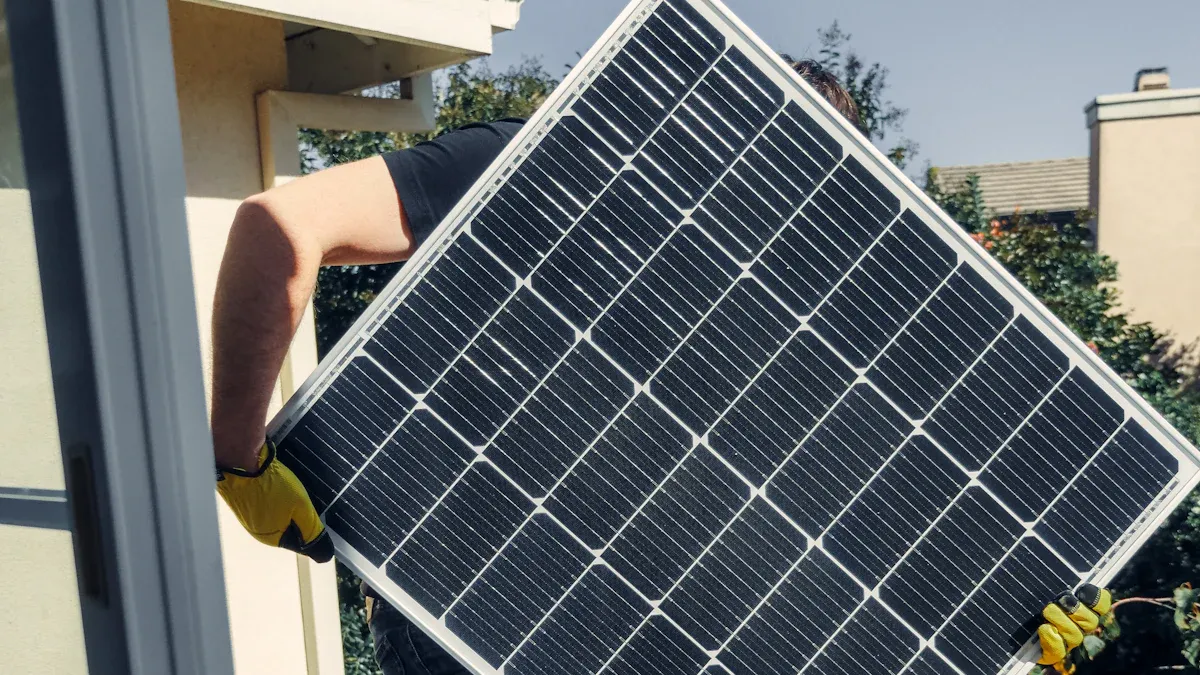
- Photovoltaic (PV) solar panels capture sunlight and transform it into direct current (DC) electricity through the photovoltaic effect.
- A Solar Inverter converts DC electricity into alternating current (AC), delivering stable power suitable for most electronic devices.
- Excess energy charges the lithium-ion battery, which stores power for use during nighttime or cloudy weather.
- High-efficiency monocrystalline solar panels, often foldable, maximize energy capture and portability.
- Pure Sine Wave Inverters protect sensitive electronics by ensuring clean power output.
- Multiple output ports (USB, AC, DC) allow users to charge several devices at once, increasing operational flexibility.
These processes ensure disaster relief teams have access to dependable and sustainable power, even in challenging environments.
Lithium Portability in Disaster Relief
Quick Deployment in the Field
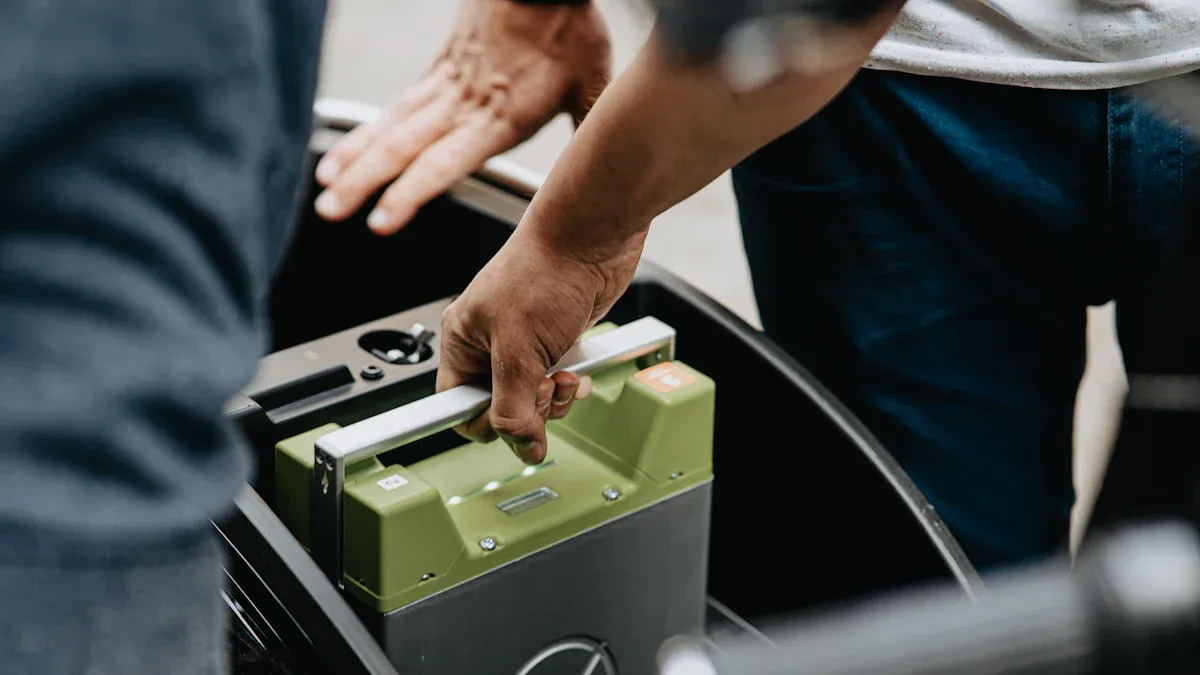
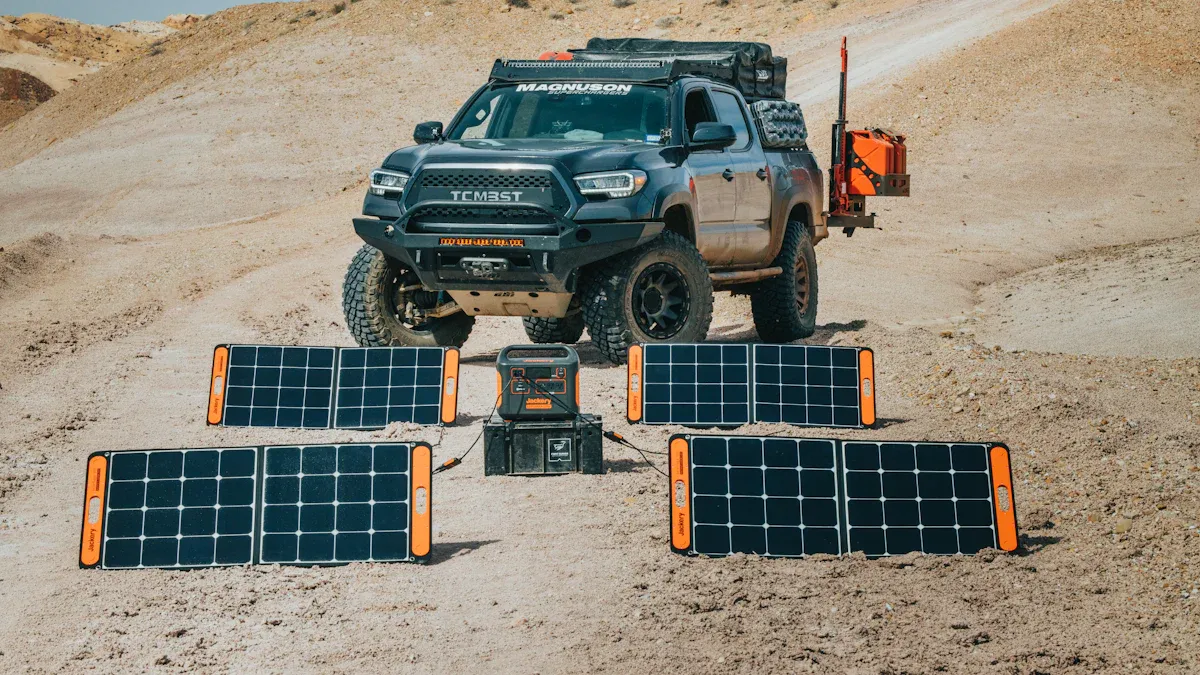
Disaster relief teams often face unpredictable environments where every minute counts. Portable power solutions must enable fast setup and immediate use. Lithium solar generators under 15kg excel in this area. Their lightweight design, combined with features like integrated wheels, allows teams to move units quickly across rough terrain. The following table highlights how specific features impact disaster relief logistics:
| Feature Category | Details | Impact on Disaster Relief Logistics |
|---|---|---|
| Battery Technology | Lithium battery reduces weight by 40% compared to lead-acid | Enables lighter, more portable units under 15kg, easing transport |
| Weight & Portability | Base Model weighs around 15kg and includes wheels | Facilitates rapid mobility and deployment in critical situations |
| Solar Charging Efficiency | MPPT controller boosts solar efficiency by 30% in low-light | Ensures reliable power supply even in challenging environments |
| Universal Plug Compatibility | Supports multiple global plug types (up to 7) | Allows use in diverse disaster regions without adapter issues |
| Durability & Safety | Stainless steel construction, overcharge/discharge protection | Enhances reliability and safety in harsh outdoor conditions |
These features collectively reduce logistical burdens, making power stations easier to deploy and more reliable in remote settings.
Easy Transport and Storage
Relief teams must often carry equipment over long distances or through damaged infrastructure. Lithium solar generators, weighing between 10 to 15 kg for 1 to 2 kWh capacities, offer a clear advantage over traditional lead-acid models, which can weigh up to 25 kg per kWh. The compact form factor and sturdy construction allow for stacking and secure storage in vehicles or temporary shelters. Teams can move these units without specialized equipment, saving time and effort. The lightweight and compact design ensures that even in crowded or chaotic environments, essential power remains accessible and manageable.
Advantages of Lithium Solar Generators for Disaster Relief Teams
Reliable Power for Essential Devices
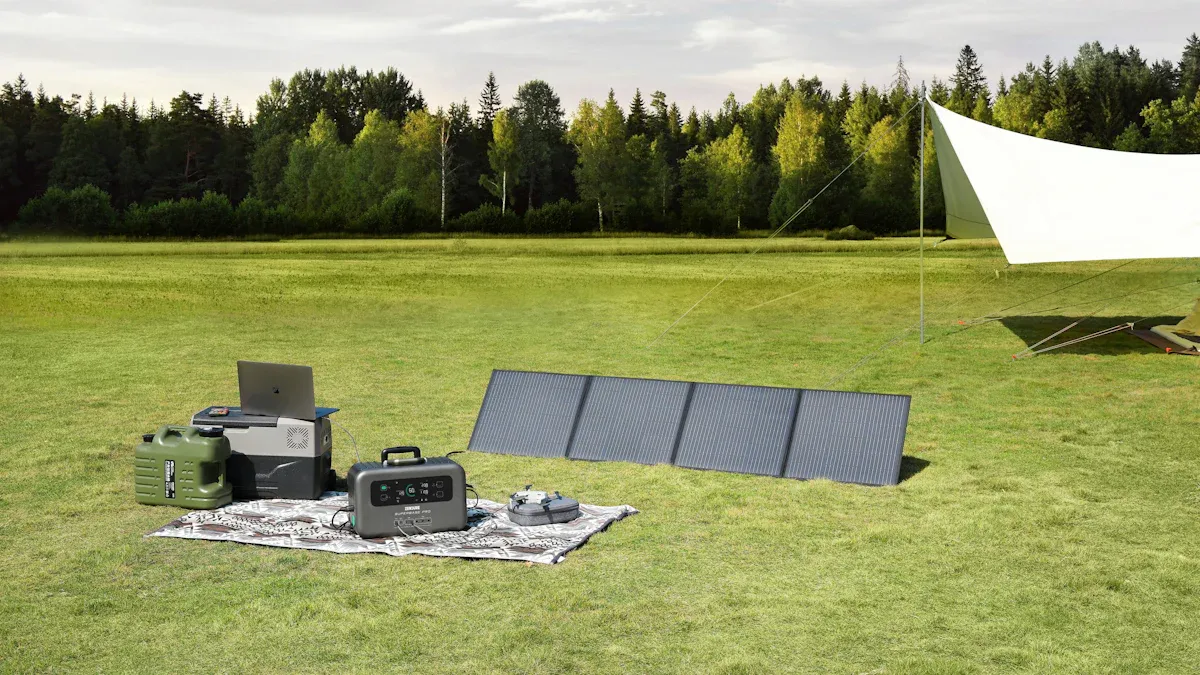
Disaster relief teams rely on consistent power to keep critical equipment running. Lithium solar generators under 15kg deliver lightweight, long-lasting energy that supports emergency operations in the field. Teams use these generators to power communication devices such as emergency radio repeaters, satellite phones, and cellular signal boosters. Multi-port connectivity allows simultaneous charging of radios, laptops, medical devices, and search and rescue equipment. Foldable solar panels and high-density batteries provide clean, stable power, even in remote locations. Integrated safety certifications ensure reliable operation during emergencies. Rapid deployment kits can be set up in under 15 minutes, enabling teams to restore communication infrastructure quickly. Smart power management prioritizes essential loads, maintaining continuous operation for multiple days.
- Lightweight design enables fast transport and setup.
- Multi-region plug compatibility supports use in diverse locations.
- Output priority configuration ensures critical devices receive power first.
- Modular expansion extends runtime for prolonged missions.
- Built-in cooling systems protect sensitive electronics from extreme temperatures.
Teams benefit from uninterrupted access to essential devices, improving coordination and response times during disasters.
Sustainable and Quiet Operation
Lithium solar generators offer disaster relief teams a sustainable energy source that operates silently. These generators use efficient solar charging, reducing reliance on fuel supplies that may be scarce or disrupted during emergencies. Silent operation minimizes noise pollution, allowing teams to work in sensitive or crowded environments without disturbance. The renewable energy source supports eco-friendly missions and reduces the environmental impact of relief efforts.
| Feature | Benefit to Disaster Relief Teams |
|---|---|
| Sustainable Power | Efficient solar charging reduces reliance on fuel, critical when fuel supply is limited or disrupted. |
| Quiet Operation | Silent running minimizes noise pollution, allowing operation in sensitive or crowded environments without disturbance. |
| Portability | Lightweight (~14 kg) and ergonomic design enable rapid deployment and easy transport in emergency scenarios. |
| Durability | Weather-resistant and tough build ensures reliable performance in harsh outdoor conditions common in disasters. |
Lithium battery technology provides a long cycle life, supporting sustainability. Teams can deploy these generators in areas where traditional fuel-powered units would create noise or exhaust, maintaining a safer and more comfortable environment for both responders and affected communities.
Minimal Maintenance Requirements
Lithium solar generators under 15kg require minimal maintenance compared to traditional portable power sources. Advanced battery chemistry and integrated smart battery management systems reduce the need for frequent checks and servicing. Relief teams benefit from stable operation, even in harsh conditions, with triple heat dissipation and metal casing protecting the units from wear and tear. The generators retain most of their capacity in extreme temperatures, ensuring reliable performance in cold or hot climates.
| Feature/Aspect | Lithium Iron Phosphate (LiFePO4) Solar Generators | Other Portable Power Sources (Lead-Acid Batteries) |
|---|---|---|
| Weight | Lightweight (~8.5kg for HC-500) | Heavier (e.g., 50kg for 150Ah lead-acid battery) |
| Battery Lifespan | Long lifespan (2000+ cycles, 7-15 years) | Shorter lifespan, fewer deep cycles |
| Maintenance Requirements | Minimal due to stable chemistry and smart BMS | Requires frequent checks and care |
| Safety | High safety; stable chemistry, no explosion risk | Higher risk of damage or hazards |
| Weather Resistance | Retains ~80% capacity at -20°C | Retains ~30% capacity at -20°C |
| Cooling and Durability | Triple heat dissipation, metal casing, smart BMS | Less advanced cooling, more prone to wear |
| Charging Efficiency | Fast charging with MPPT controller | Slower charging |
Teams spend less time on upkeep and more time focusing on relief operations. The robust design and smart management features ensure that the generators remain dependable assets throughout extended missions.
Limitations and Practical Tips for Lithium Solar Generators
Power Output Constraints
Lithium solar generators under 15kg provide reliable energy for many essential devices, but they have limits. Most models in this weight class offer between 300 and 1200 watts of continuous output. Teams must prioritize critical equipment, such as radios and medical devices, over high-consumption appliances. Overloading the generator can trigger automatic shutdowns or reduce battery life. Relief teams should check the wattage requirements of all devices before connecting them. Using energy-efficient equipment helps maximize available power and extends operational time.
Weather Dependency
Weather conditions play a significant role in the performance of lithium solar generators. Cold weather slows chemical reactions inside lithium batteries, causing voltage drops and increased internal resistance. Charging below freezing can damage the battery, leading to swelling or capacity loss. High temperatures accelerate battery wear and increase the risk of overheating. Solar panels with high IP ratings, such as IP68, maintain good output even in rain or cloudy weather, but battery packs need protection from water and extreme temperatures. Teams often use waterproof cases and insulation to keep generators safe and reliable during unpredictable disaster scenarios.
Maximizing Performance in the Field
Relief teams can follow several best practices to get the most from lithium solar generators:
- Store the generator in a cool, dry, and well-ventilated area.
- Avoid direct sunlight during use or charging to prevent overheating.
- Handle the unit carefully and use padding during transport.
- Keep the battery charge between 40% and 60% for long-distance moves.
- Turn off all switches when not in use to reduce self-discharge.
- Charge the battery every 3 to 6 months during storage.
Following these tips helps teams maintain generator performance and extend product life, ensuring dependable power during critical missions.
How to Choose the Right Lithium Solar Generator
Weight and Portability
Disaster relief teams prioritize weight and portability when selecting a solar generator. Units under 15kg offer significant advantages in rapid deployment and ease of transport. Ergonomic handles and compact designs allow responders to carry generators across rough terrain or through damaged infrastructure. Models with integrated wheels further improve mobility. Teams often choose generators that balance lightweight construction with robust build quality, ensuring reliable performance in challenging environments.
Tip: Always check the manufacturer's specifications for weight and handle design. A generator that weighs less than 15kg and includes ergonomic features will reduce fatigue and speed up field operations.
Key factors to consider:
- Weight under 15kg for easy transport
- Ergonomic handles or wheels for mobility
- Compact form factor for stacking and storage
- Sturdy construction for durability
Battery Capacity and Output
Battery capacity and output determine how long a generator can power essential devices. Lithium batteries, especially those using LiFePO4 chemistry, deliver high energy density and stable voltage output. This technology allows generators to achieve greater capacity at lower weights. Teams should match generator capacity to the wattage and duration needs of their equipment.
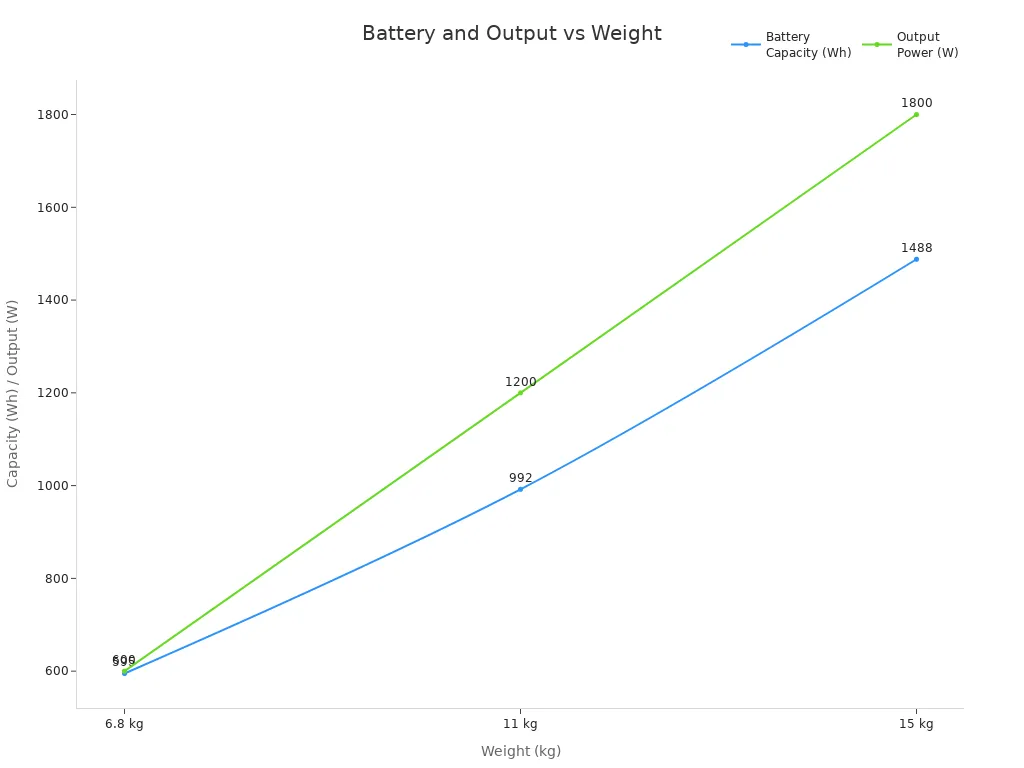
Lithium solar generators under 15kg typically range from 200Wh to 1,600Wh. Higher capacity models support longer missions and more devices. The following table compares several popular models:
| Model (SOUOP) | Weight (kg) | Battery Capacity (Wh) | Output Power (W) | Max Simultaneous Devices |
|---|---|---|---|---|
| 600W Solar Generator | 6.8 | 595 | 600 | 8 |
| 1200W Solar Generator | 11 | 992 | 1200 | 10 |
| 1800W Solar Generator | 15 | 1488 | 1800 | 10 |
Teams should assess the number of devices they need to power and select a generator with sufficient output. Stable voltage and high round-trip efficiency ensure consistent performance, even during extended use.
Charging Options and Speed
Charging flexibility is essential for disaster relief operations. Lithium solar generators under 15kg offer multiple charging options, including solar panels, AC outlets, car chargers, and fast USB ports. Monocrystalline solar panels provide faster charging compared to polycrystalline alternatives. USB-C and QC 3.0 ports enable rapid device charging, supporting up to twice the speed of standard USB ports.
The table below highlights charging features across different models:
| Feature/Model | Base Model (12kg) | Advanced Model | Pro Model |
|---|---|---|---|
| Battery Type | Lithium-ion | Lithium-ion | Lithium-ion |
| Battery Capacity | 200Wh | 400Wh | 800Wh |
| Solar Charging Speed | 15% faster than industry | 25% faster than industry | 35% faster than industry |
| Max Output | 300W | 500W | 600W |
| Charging Options | Solar, AC, DC, USB-C, QC 3.0 | Same as Base | Same as Base |
| Full Recharge Time | N/A | N/A | 4 hours under peak sunlight |
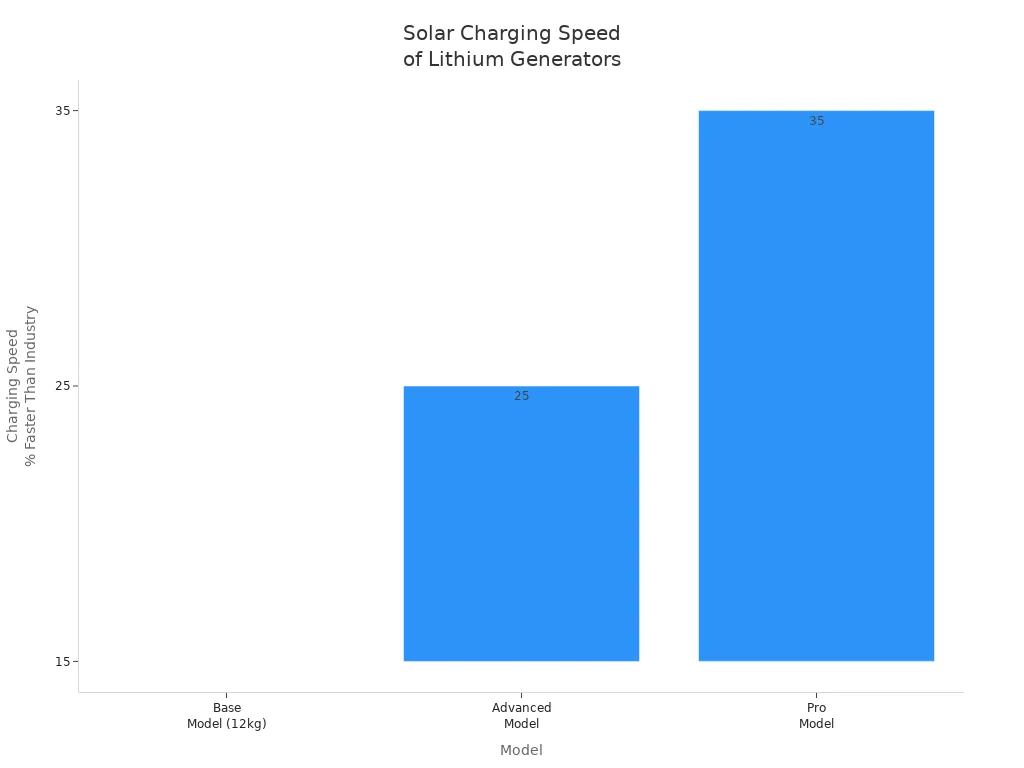
LiFePO4 batteries enhance charging speed and safety, with cycle life up to five times longer than standard lithium-ion batteries. Modular designs allow teams to expand capacity by adding batteries or solar panels, adapting to changing mission requirements.
Durability and Weather Resistance
Durability and weather resistance play a critical role in generator selection. Relief teams operate in unpredictable conditions, so generators must withstand exposure to rain, dust, and extreme temperatures. Units with stainless steel or reinforced plastic casings offer better protection against impacts and environmental hazards. High IP ratings, such as IP68, indicate strong resistance to water and dust.
Teams should look for generators with:
- Overcharge and discharge protection
- Triple heat dissipation systems
- Weather-resistant casings
- Reliable performance in temperatures from -20°C to 50°C
Quiet operation and long standby times further enhance reliability. Generators with advanced battery management systems maintain performance and safety, even during prolonged use in harsh environments.
Note: Choosing a generator with proven durability and weather resistance ensures continuous power supply and reduces the risk of equipment failure during critical missions.
Top Recommended Lithium Solar Generator Models and Real-World Use Cases
Model Comparison Table
Selecting the right lithium solar generator requires careful comparison of key features. Disaster relief teams often evaluate models based on weight, battery capacity, output power, and durability. The following table summarizes leading options that meet the under-15kg requirement:
| Feature | Leeline Energy 1800W Portable Power Station | AO Qiang Portable Solar Stations | Advanced Model (Generic) |
|---|---|---|---|
| Weight | 15 kg | 5–15 kg | 15 kg |
| Battery Capacity | 1488Wh (LiFePO4) | 500–3000Wh | 500Wh |
| Output Power | 1800W (2000W peak) | Varies (up to 2000W) | 500W |
| Output Ports | 3 AC, 2 DC, 1 car, USB-A/C | Multiple AC/DC/USB | 2 AC, 4 USB |
| Charging Options | AC fast, solar (MPPT) | Solar (6–8h), AC/DC | Solar, AC, DC |
| Durability | System monitoring, alarms, cooling | IP65 waterproof, shockproof | Corrosion-resistant |
| Certifications | FCC, CE, ROHS, PSE, MSDS | Field-tested, CE | CE |
| Use Cases | Phones, drones, fridges, home devices | Emergency, clinics, outdoor | Home backup, outdoor |
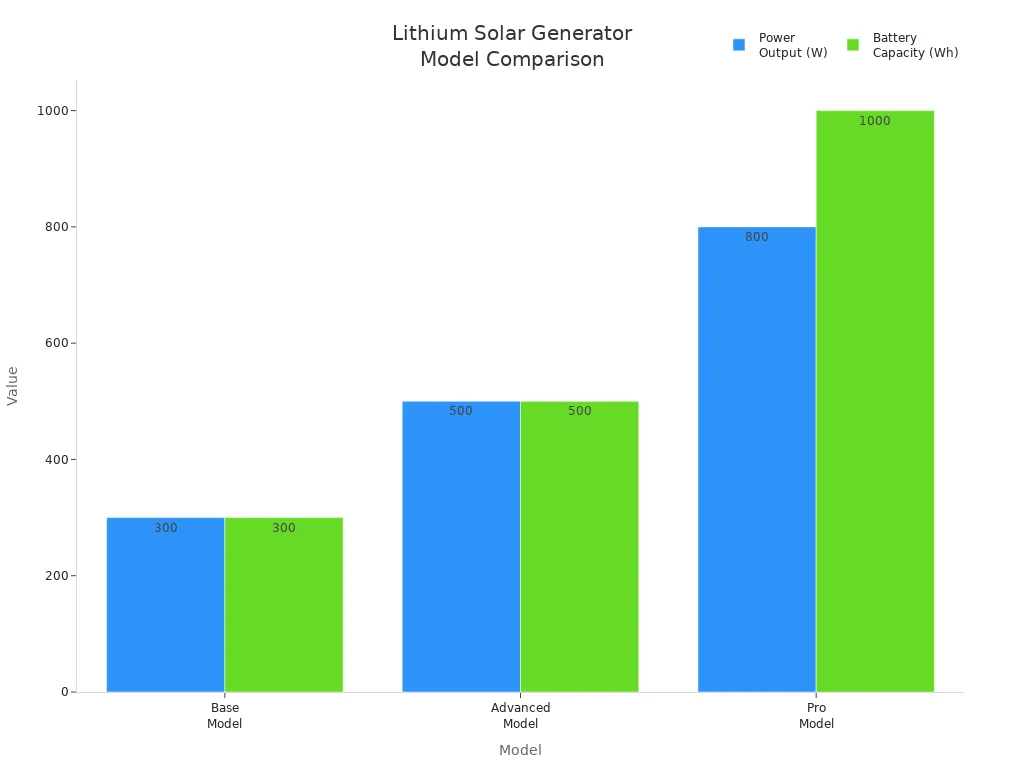
Note: Models like the Leeline 1800W and AO Qiang stations combine robust power with portability, making them ideal for rapid deployment.
Case Studies from Disaster Relief Operations
Disaster relief teams have relied on lithium solar generators in diverse scenarios. In Southeast Asia, AO Qiang stations powered mobile medical clinics after severe flooding. Teams used the lightweight units to run refrigeration for vaccines and charge communication devices. The IP65 waterproof rating protected equipment during heavy rain.
In another case, a relief group in Central America deployed Leeline Energy 1800W stations to restore power in remote villages. The fast AC charging and high output supported satellite phones, laptops, and portable lighting. Teams reported stable performance in temperatures ranging from 0°C to 40°C.
These real-world examples show that portable lithium solar generators deliver reliable, flexible power in challenging environments. Teams benefit from quick setup, multiple charging options, and durable construction, ensuring mission success when traditional power sources fail.
Lithium solar generators under 15kg give disaster relief teams dependable, portable power. Their silent, emission-free operation and modular design support long-term cost-effectiveness.
- Teams benefit from a strong power-to-weight ratio and improved recharge efficiency.
- Silent operation and AI-driven battery management extend value over time.
FAQ
What devices can a lithium solar generator under 15kg power?
Most models support radios, phones, laptops, medical devices, and LED lights. Teams should check device wattage before connecting.
Tip: Always verify the generator’s output rating to avoid overload.
How long does it take to recharge a lithium solar generator with solar panels?
Recharge time depends on sunlight and panel wattage. Most units reach full charge in 4–8 hours under optimal conditions.
| Panel Wattage | Estimated Charge Time |
|---|---|
| 100W | 8 hours |
| 200W | 4 hours |
Are lithium solar generators safe to use in wet or cold environments?
Manufacturers design most units with weather-resistant casings and smart battery management. Teams should keep generators dry and insulated for best performance.
Note: Always follow manufacturer guidelines for extreme conditions.