
 Mobile Generator




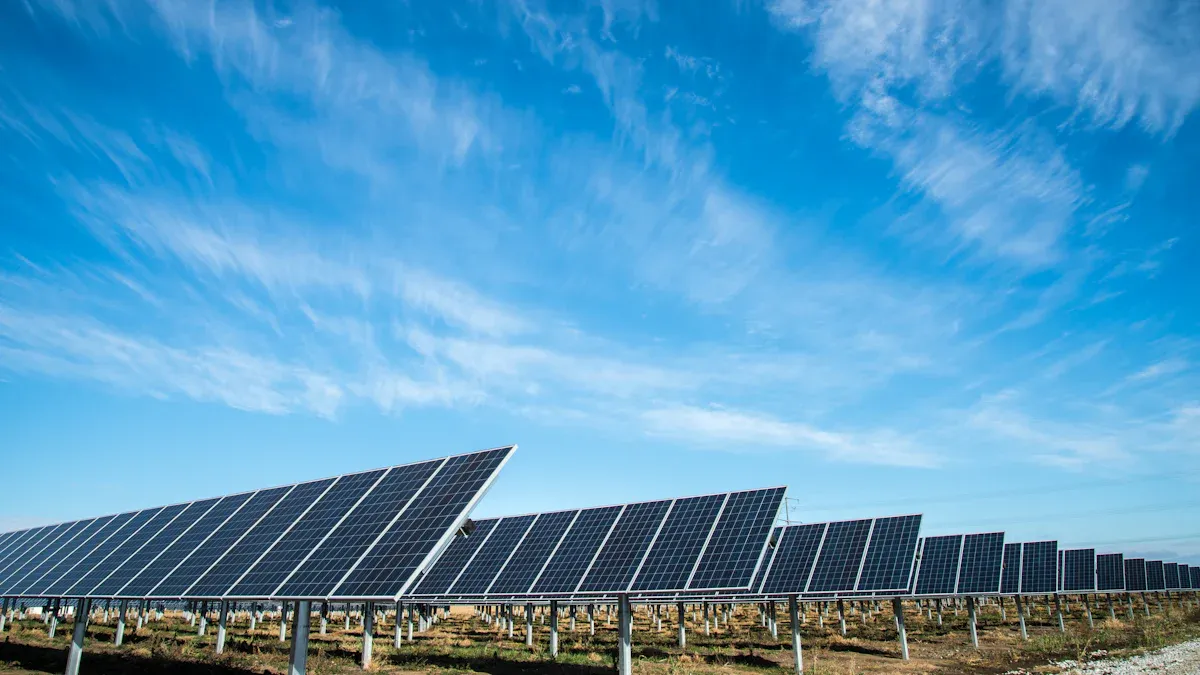



What Are the Environmental Contributions of Off-Grid Solar Systems
(1).png)
Off-grid solar-energy systems deliver significant environmental benefits by reducing reliance on fossil fuels. Their life-cycle emissions are up to 20 times lower than coal-based electricity and 12 times less than natural gas. These systems also conserve resources, with residential solar panels emitting just 41 grams of CO2 equivalent per kilowatt-hour. This sustainable energy solution minimizes environmental degradation while promoting cleaner air and healthier ecosystems.
Key Takeaways
- Off-grid solar systems cut carbon pollution, making 20 times less than coal power.
- They save water, using 20 gallons per megawatt-hour, while fossil fuels use 60,000 gallons.
- Solar energy cleans the air in faraway places, creating healthier living spaces.
Reduction of Carbon Emissions and Air Pollution
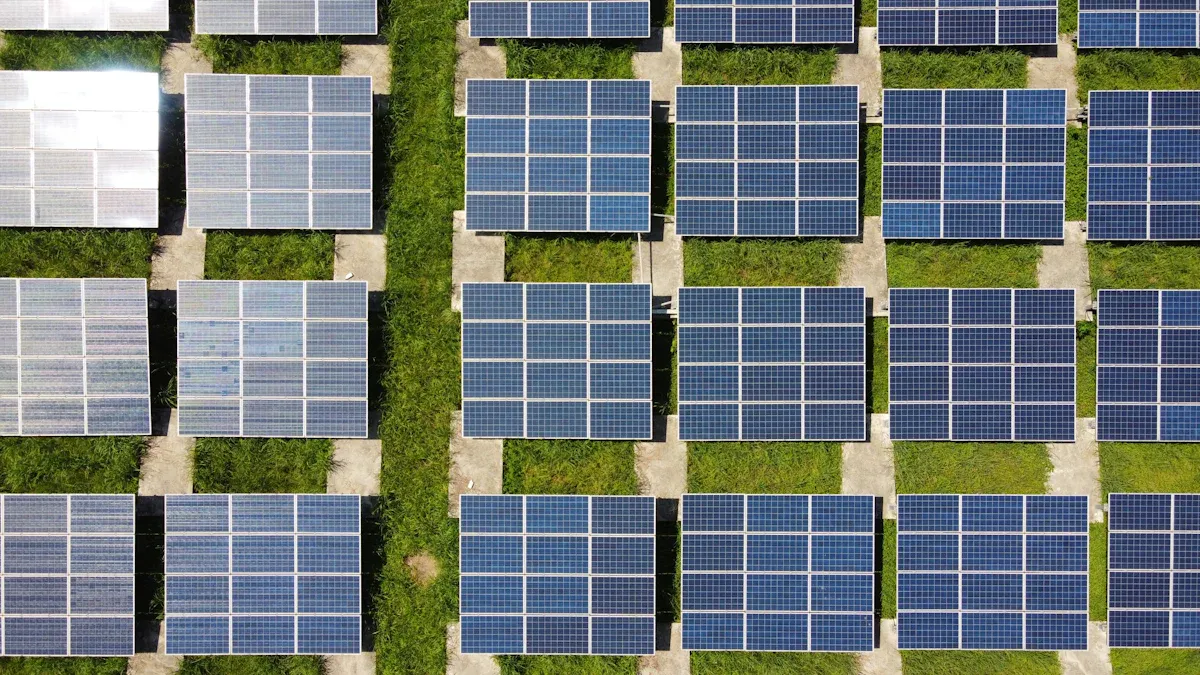
Displacing Fossil Fuels with Solar-Energy Solutions
Off-grid solar-energy systems replace traditional fossil fuels, significantly reducing carbon emissions. Unlike coal or natural gas, solar panels generate electricity without burning fuel, eliminating the release of harmful pollutants. A statistical analysis of Ireland's All-Island system revealed that renewable energy sources, including solar, contributed to 20.4% of electricity generation. Each megawatt-hour (MWh) of renewable energy saved approximately 0.432 tons of CO2, resulting in an 18% reduction in emissions compared to a fossil-fuel-based scenario.
Solar panels also outperform other carbon-reducing methods. For example, a comparison of CO2 emissions reduction per acre shows that solar panels achieve higher reductions than trees or corn ethanol.
| Energy Source | CO2 Emissions Reduction per Acre |
|---|---|
| Solar Panels | Higher than trees and corn ethanol |
| Trees | Lower than solar panels |
| Corn Ethanol | Much lower than solar panels |
This data highlights the superior efficiency of solar-energy systems in cutting emissions and combating climate change.
Lowering Greenhouse Gas Emissions
Solar-energy systems produce far fewer greenhouse gases than fossil fuels. Recent research indicates that solar photovoltaic power generation (SPPG) emits only 1.35 kg of greenhouse gases per kilowatt-hour (kWh) of electricity. In contrast, coal power emits 4.81 kg per kWh. This stark difference underscores the environmental benefits of transitioning to solar energy.
By adopting off-grid solar-energy solutions, communities can drastically reduce their carbon footprint. These systems not only lower emissions but also contribute to a cleaner and healthier environment. Their decentralized nature makes them particularly effective in areas where traditional energy infrastructure is unavailable or unreliable.
Improving Air Quality in Remote and Underserved Areas
Air pollution remains a critical issue in many remote and underserved regions. Off-grid solar-energy systems provide a clean alternative to diesel generators and other polluting energy sources. A study examining air pollution's impact on solar photovoltaic (PV) capacity factors in China over five decades revealed the potential benefits of pollution control for solar power generation. The findings emphasized how reducing air pollution could enhance solar PV performance and mitigate economic losses in the sector.
By replacing polluting energy sources, solar-energy systems improve air quality and reduce health risks associated with airborne contaminants. This transition is particularly impactful in rural areas, where access to clean energy can transform living conditions and promote sustainable development.
Conservation of Natural Resources
Reducing Water Usage Compared to Fossil Fuels
Off-grid solar-energy systems significantly reduce water consumption compared to traditional fossil fuel-based power generation. Coal and nuclear power plants require between 20,000 to 60,000 gallons of water per megawatt-hour for cooling and other processes. In contrast, solar photovoltaic systems use only about 20 gallons per megawatt-hour, primarily for cleaning purposes. This stark difference highlights the water-saving potential of solar energy.
In regions like India, where water scarcity poses a critical challenge, solar installations have demonstrated their ability to conserve vast amounts of water. For instance:
- Solar arrays covering 968 hectares can offset 195 million cubic meters of irrigation water over 25 years.
- Utilizing adjacent fallowed land (14,000 hectares) could save an additional 120 million cubic meters annually, totaling 3,000 million cubic meters over the same period.
These figures underscore the role of solar-energy systems in addressing water resource challenges while promoting sustainable development.
Minimizing Land Degradation with Decentralized Solar-Energy Systems
Decentralized solar-energy systems offer a sustainable alternative to centralized fossil fuel operations, which often lead to extensive land degradation. Traditional energy extraction methods, such as coal mining and oil drilling, disrupt ecosystems and degrade soil quality. In contrast, decentralized solar installations require less invasive land use and can even coexist with agricultural activities.
A multi-objective optimization framework for decentralized energy systems revealed that these systems could reduce greenhouse gas emissions by up to 73% and natural gas usage by up to 92%. This reduction minimizes environmental impacts, including land degradation, by decreasing reliance on traditional energy sources. Furthermore, regions like Rajasthan, identified as having high potential for solar installations, can benefit from land suitability mapping to optimize solar deployment without harming the environment.
By integrating solar-energy systems into decentralized frameworks, communities can achieve energy independence while preserving land integrity.
Promoting Sustainable Resource Use
Off-grid solar-energy systems exemplify sustainable resource use by harnessing a renewable energy source that does not deplete natural reserves. Unlike fossil fuels, solar power generates electricity without emitting greenhouse gases or other pollutants. This clean energy solution reduces reliance on finite resources and curtails individual carbon footprints.
The economic and environmental benefits of solar energy further reinforce its sustainability. Off-grid solar systems are projected to generate $5,825.80 million in revenue by 2031, offering energy independence and reduced pollution. Additionally, these systems achieve a levelized cost of electricity (LCOE) of $0.16 per kilowatt-hour, which is 95% lower than biodiesel-only scenarios. Over their lifetime, they also reduce water footprints by 5,429,818 cubic meters and cut carbon emissions by 6,858.35 tonnes.
By transitioning to solar energy, individuals and communities can embrace a cleaner, more sustainable future while mitigating the environmental impacts of traditional energy sources.
Supporting Biodiversity and Ecosystems

Preventing Habitat Destruction from Energy Extraction
Traditional energy extraction methods, such as coal mining and oil drilling, often lead to significant habitat destruction. These activities disrupt ecosystems, displace wildlife, and degrade soil quality. Off-grid solar-energy systems provide a sustainable alternative by generating electricity without invasive extraction processes. Solar installations require minimal land alteration and can be strategically placed to avoid sensitive habitats. This approach helps preserve biodiversity and maintain the ecological balance in affected regions.
Reducing Pollution Impacting Wildlife
Pollution from fossil fuel combustion and industrial activities poses a severe threat to wildlife. Toxic emissions contaminate air, water, and soil, directly harming animals and their habitats. Solar-energy systems produce clean energy without releasing harmful pollutants. By reducing reliance on fossil fuels, these systems mitigate pollution and create healthier environments for wildlife. Cleaner air and water contribute to the survival of species, particularly in areas already vulnerable to environmental degradation.
Encouraging Eco-Friendly Energy in Conservation Areas
Conservation areas play a critical role in protecting biodiversity and ecosystems. Integrating eco-friendly energy solutions, such as solar-energy systems, into these regions ensures sustainable development while safeguarding natural habitats. Solar energy reduces harmful emissions, supports biodiversity, and provides essential ecosystem services like clean water and climate regulation.
| Benefit | Description |
|---|---|
| Reduces Harmful Emissions | Solar energy significantly cuts down on harmful emissions compared to fossil fuels. |
| Supports Biodiversity | Renewable energy projects can protect and enhance biodiversity in conservation areas. |
| Provides Ecosystem Services | Solar systems help maintain clean water and climate regulation. |
By adopting solar-energy solutions in conservation areas, communities can achieve a balance between energy needs and environmental preservation.
Enhancing Climate Resilience
Providing Reliable Energy During Disasters
Off-grid solar-energy systems offer dependable power solutions during natural disasters, ensuring critical services remain operational. Unlike traditional energy grids, which often fail during emergencies, solar installations provide a decentralized and resilient energy source. For example, a solar-powered emergency shelter in the Philippines demonstrated the effectiveness of solar panels in disaster resilience. The shelter maintained reliable power during typhoons, supporting emergency response efforts and protecting vulnerable populations.
| Case Study | Description |
|---|---|
| Solar-Powered Emergency Shelter in the Philippines | Equipped with solar panels to ensure reliable power during natural disasters. |
This case highlights how solar-energy systems can strengthen disaster preparedness and recovery efforts.
Supporting Sustainable Development in Vulnerable Regions
Solar-energy systems contribute to sustainable development by addressing energy access challenges in underserved areas. These systems align with global development goals, such as:
- Target 7.1: Expanding access to affordable and modern energy services.
- Target 7.2: Increasing the share of renewable energy in the global energy mix.
- Target 7.b: Upgrading infrastructure for sustainable energy in developing countries.
By providing clean and reliable energy, solar installations improve living standards, reduce energy poverty, and promote economic growth in vulnerable regions.
Empowering Communities to Adapt to Climate Change
Off-grid solar-energy systems empower communities to adapt to climate change by fostering resilience and economic stability. These systems reduce energy costs for low-income families and create job opportunities in the solar industry. In rural areas, reliable power supports essential services like street lighting, enhancing safety and community engagement. Farmers benefit from increased crop cycles, enabling financial stability and reducing reliance on subsistence farming.
Additionally, solar-energy initiatives prevent seasonal migration by strengthening local economies. A $1,200,000 investment in community-based solar projects has doubled household incomes for 190 families, showcasing the transformative potential of renewable energy.
Off-grid solar-energy systems play a vital role in environmental protection. They reduce emissions, conserve natural resources, and support ecosystems. These systems provide a clean, reliable energy solution essential for a sustainable future. By adopting solar-energy technologies, communities can actively combat climate change and safeguard the planet for future generations.
FAQ
What makes off-grid solar-energy systems environmentally friendly?
Off-grid solar systems generate electricity without burning fossil fuels. This eliminates harmful emissions, reduces pollution, and conserves natural resources like water and land.
Can off-grid solar systems work in areas with limited sunlight?
Yes, modern solar panels operate efficiently even in low-light conditions. Battery storage systems ensure energy availability during cloudy days or nighttime.
How do off-grid solar systems support wildlife conservation?
These systems avoid habitat destruction caused by fossil fuel extraction. They also reduce pollution, creating healthier ecosystems for wildlife to thrive.