2026 Top Mobile Power Station Trends You Should Know?
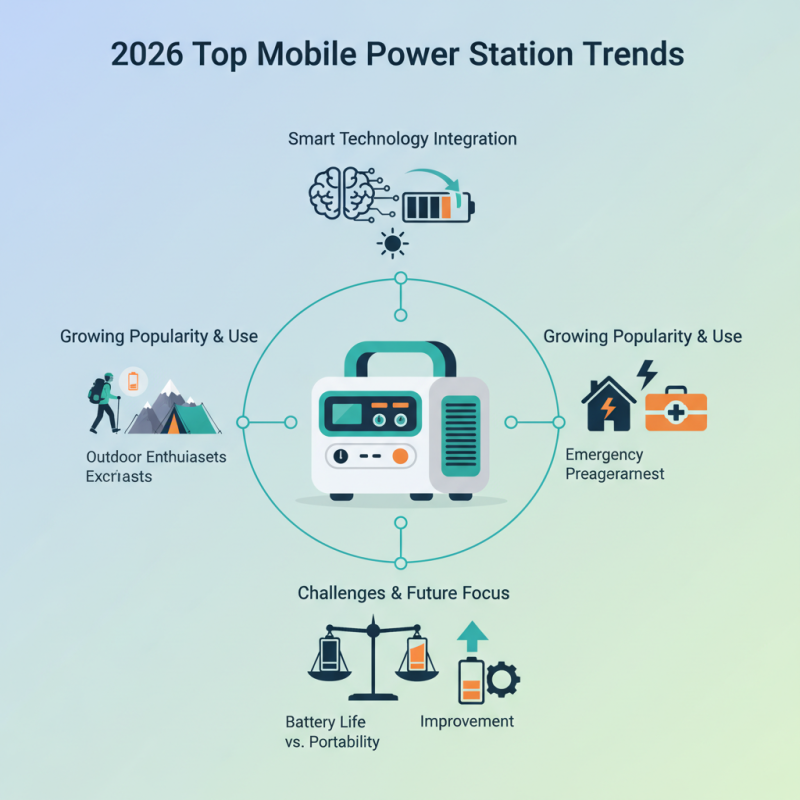
The realm of Mobile Power Stations is evolving rapidly. By 2026, innovation will redefine how we perceive energy on the go. These portable power solutions are becoming essential for outdoor enthusiasts and emergency preparedness. They offer convenience, reliability, and a lifeline when traditional power sources fail.
One exciting trend is the integration of smart technology. Mobile Power Stations will feature AI-driven capabilities, enhancing user experience. Imagine a device that learns your energy needs and optimizes battery usage. This not only saves time but also promotes sustainability. Some models will even feature solar charging, providing an eco-friendly power source.
However, challenges remain. Consumers must consider battery life and weight, as portability often compromises capacity. As these devices gain popularity, manufacturers face pressure to balance performance with practicality. Mobile Power Stations have the potential to transform our energy consumption habits, yet we must reflect on their limitations and strive for continuous improvement.
Emerging Technologies in Mobile Power Stations for 2026
As we look towards 2026, mobile power stations are evolving rapidly. New technologies are emerging, propelling the industry forward. Fuel cells are becoming a popular option. They offer cleaner energy solutions compared to traditional methods. The demand for eco-friendly power is increasing. Consumers want sustainable alternatives, and fuel cells address this need effectively.
Battery technology is also advancing quickly. Solid-state batteries promise higher energy density and safety. They can potentially last longer and charge faster. This shift could redefine usage patterns. Yet, the cost of production remains high, posing a challenge. Manufacturers must balance performance with affordability.
Wireless charging is another exciting trend to watch. Imagine charging devices without cables. It seems futuristic, but it’s becoming a reality. However, implementation can be tricky. Efficiency is a concern, and not all devices may be compatible. Consumers may face limits in usage. Each of these trends reflects a need for innovation and sustainability, highlighting the movement towards smarter energy solutions.
Sustainable Energy Solutions for Mobile Power Generation
The demand for sustainable energy solutions in mobile power generation is rapidly growing. According to a recent report from the International Renewable Energy Agency (IRENA), global renewable energy capacity has increased by over 200% in the last decade. This shift reflects a significant trend towards sustainability. In particular, portable power stations are being designed to harness solar energy effectively, allowing users to rely less on fossil fuels.
Adoption of lithium-ion batteries has also surged. A 2022 study by Bloomberg New Energy Finance indicated that the cost of lithium-ion batteries has decreased by 89% compared to 2010 prices. This drop makes sustainable mobile power more accessible for everyday users. Portable power stations, powered by these batteries, can now support various devices, from smartphones to electric grills. Users are looking for energy independence, but the journey is not without challenges.
Many seek reliable solutions, yet some devices still fall short in efficiency and capacity. The trade-offs between size and power output often lead consumers to reflect on their energy needs. Reports suggest that a significant portion of users is not fully aware of the capacity and limitations of their devices. This gap in understanding can lead to frustration, especially in critical situations. As the industry moves forward, improving user education on sustainable energy remains vital.
2026 Top Mobile Power Station Trends You Should Know
| Trend |
Description |
Expected Impact |
Sustainability Score |
| Portable Solar Chargers |
Compact and lightweight solar chargers designed for mobile power generation. |
Increasing adoption in outdoor activities and emergency preparedness. |
9/10 |
| Renewable Hybrid Systems |
Combining solar, wind, and battery technologies to enhance power reliability. |
Reduction in fossil fuel dependency and improved energy security. |
8/10 |
| Smart Power Management |
Integrating IoT for efficient energy usage and load management. |
Enhanced user experience and reduced energy waste. |
7/10 |
| Battery Recycling Programs |
Initiatives to recycle lithium-ion batteries from mobile power stations. |
Minimized environmental impact and resource conservation. |
10/10 |
| Modular Power Stations |
Customizable power solutions that can scale based on user needs. |
Greater flexibility and user satisfaction in energy supply. |
8/10 |
| Wireless Charging Technology |
Innovative charging methods that eliminate the need for cables. |
Higher convenience and reduced clutter during outdoor activities. |
7/10 |
Innovative Design Trends in Portable Power Stations
The portable power station industry is evolving rapidly.
Innovative designs are shaping user experiences. According to a recent industry report, the global portable power station market is projected to reach $4.4 billion by 2026. This growth is driven by demand for eco-friendly solutions and mobile energy access.
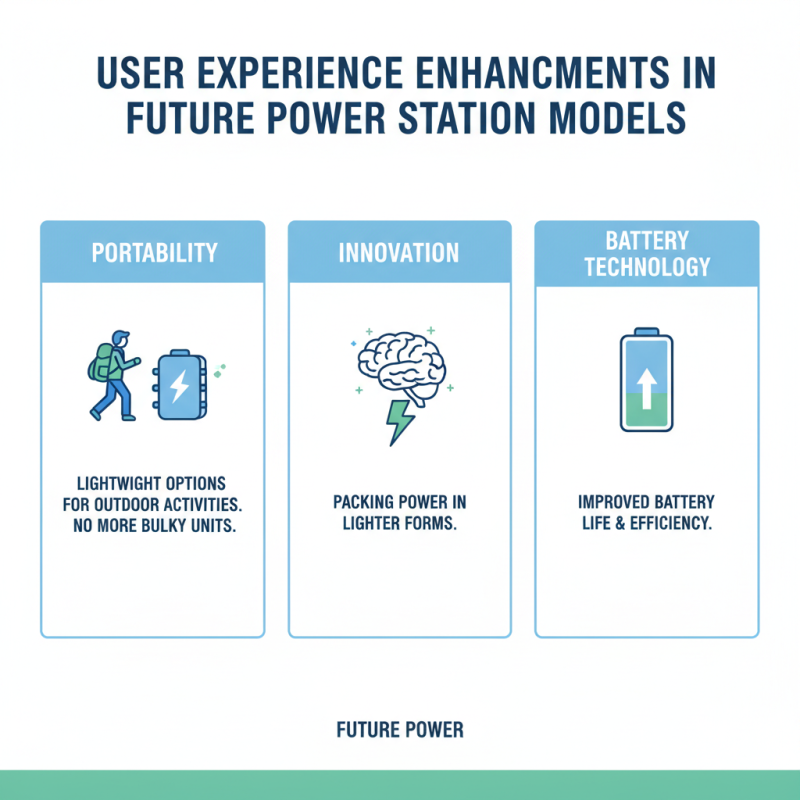
One major trend is the emphasis on lightweight materials. Manufacturers are adopting new composites that reduce weight without sacrificing durability. This shift allows users to transport power stations easily. Additionally, compact designs are becoming increasingly popular. They occupy less space, making them ideal for camping or emergency use.
Tips: Consider battery capacity when selecting a power station. Higher capacity often means longer usage time. Also, check for solar charging options. This feature adds versatility in outdoor settings.
User-friendly interfaces are another focus. Touchscreens and smartphone apps are becoming common. They offer real-time information on battery life and usage. Yet, not all designs prioritize simplicity. Some models have complicated functions that can frustrate users.
In conclusion, portable power stations are advancing. Innovative designs reflect the changing needs of consumers. Embracing these trends can enhance user experience.
Market Leaders and Competition in the Mobile Power Sector
The mobile power sector is rapidly evolving. Companies are competing fiercely to capture market attention. Innovation is at the forefront. New designs focus on portability, efficiency, and eco-friendliness. Consumers want devices that are lightweight yet powerful. This demand drives many companies to rethink their strategies.
Market leaders differentiate themselves through unique features. Some prioritize fast charging while others emphasize battery longevity. Safety is also a growing concern. Many manufacturers are investing in technology to prevent overheating and other hazards. However, not all products live up to expectations. There are inconsistencies in performance, leading to consumer skepticism.
In this competitive landscape, smaller brands often struggle to gain visibility. They bring fresh ideas but lack the marketing muscle of larger players. It’s a chaotic arena. Buyers sometimes find it hard to make informed decisions. They need clarity and honesty in product representations. As trends continue to shift, companies must remain agile and responsive. The future of this market will depend on how well they adapt to consumer needs and emerging technologies.
2026 Mobile Power Station Market Analysis

 Mobile Generator