Leave Your Message
In the world of renewable energy, the role of a Pure Sine Wave Inverter cannot be overstated. Experts like Dr. Michael Grey, a leading authority in power solutions, emphasize its importance. He once said, “Choosing the right inverter can make all the difference in efficiency.”
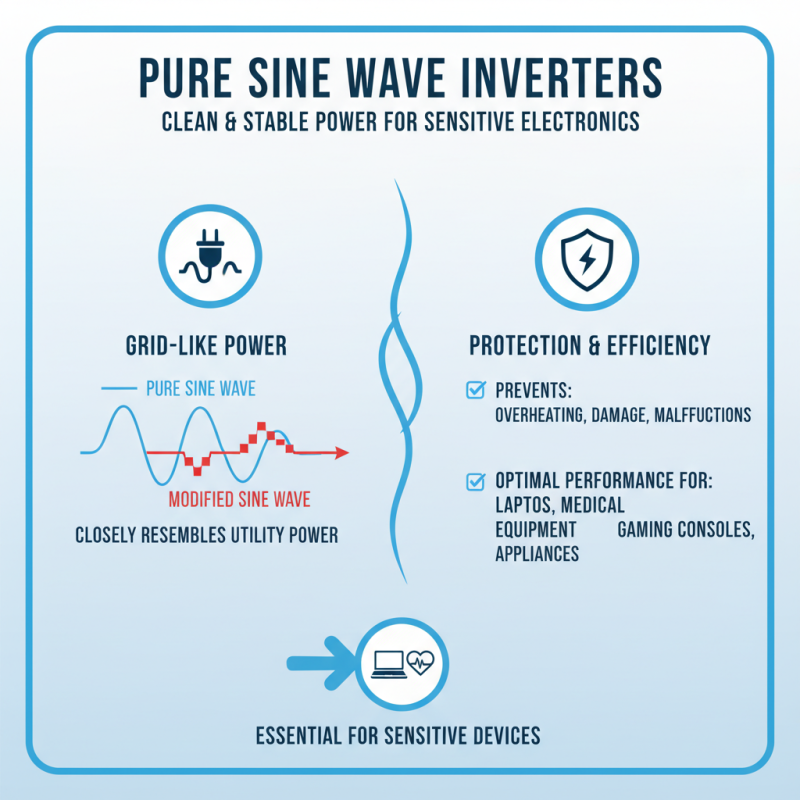
A Pure Sine Wave Inverter provides clean and stable electricity, essential for sensitive devices. Unlike modified sine wave inverters, it delivers power that closely resembles what you get from the grid. This makes it ideal for home appliances, medical equipment, and electronics that require reliable operation.
However, it's important to recognize that not everyone may need a Pure Sine Wave Inverter. For instance, typical power tools or simple devices can function well with a less expensive alternative. Evaluating your specific power needs is crucial. A Pure Sine Wave Inverter may be an investment, yet the benefits often outweigh the costs for those who value efficiency and reliability. It's a choice that requires careful consideration, but it can elevate your energy experience significantly.
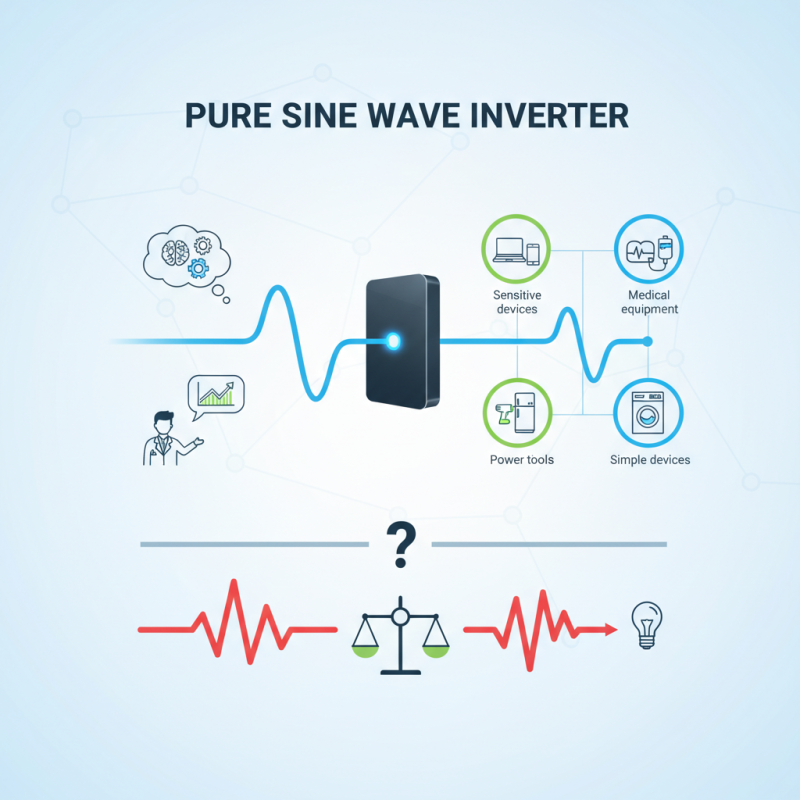
Pure sine wave inverters are essential for converting DC power into AC power. They provide a clean and stable power output. This is crucial for sensitive electronics. Devices like laptops and medical equipment benefit from this stability. The waveform of pure sine wave inverters closely resembles the grid power. This helps prevent overheating and damage to appliances.
Understanding their functionality is key. These inverters ensure that the voltage and frequency remain constant. This reduces the risk of malfunctioning equipment. However, some users may find the initial cost a bit high. It's important to weigh this against the long-term benefits. Impulse loads can be tricky. It’s vital to ensure the inverter can handle sudden energy spikes. This requires careful selection based on individual power needs.
Additionally, environmental factors play a role. Operating temperatures and humidity can affect inverter performance. It's wise to monitor these conditions regularly. Not every pure sine wave inverter is perfect. Buyers should research and reflect on their choices. Testing in real-world scenarios can reveal unexpected issues. Make sure to evaluate if it meets your unique requirements.
When considering power supply solutions, understanding the difference between pure sine wave inverters and modified sine wave alternatives is crucial. Pure sine wave inverters generate a smooth, consistent waveform. This results in cleaner power for sensitive electronics. On the other hand, modified sine wave inverters produce a choppier signal. This can cause issues with efficiency and heating. Reports indicate that 30% of users experience problems with modified sine wave inverters, especially with sensitive devices.
Using pure sine wave inverters can also extend the lifespan of electrical equipment. They are gentle on devices like laptops, televisions, and medical equipment. A report from the Energy Efficiency Council suggests that appliances run more efficiently and last up to 50% longer with pure sine wave power. This is due to the lower electrical noise and reduced heat generated by cleaner power.
Tip: Consider your specific power needs. If you rely on sensitive electronics, invest in a pure sine wave inverter. It may have a higher upfront cost, but the long-term benefits can outweigh the initial expense.
There are situations where modified sine wave inverters may seem appealing. They are often cheaper and sufficient for basic appliances. However, the risk of inefficiency and potential damage to electronic devices is significant. Weighing these factors is essential before making a decision.
Pure sine wave inverters are essential for powering sensitive electronics. These devices produce a clean and consistent electrical output. According to a report by the National Renewable Energy Laboratory, sensitive equipment like computers and medical devices often require this type of power to function properly. A pure sine wave inverter mimics the smooth waveform of grid power. This makes it suitable for devices that rely on delicate circuits.
Many electronics, such as audio equipment and LED lights, can experience distortion with modified sine wave inverters. A study by the Electrical and Electronics Engineers found that 30% of devices encountered noise and malfunctions due to such variations. In contrast, pure sine wave inverters reduce the risk of these issues. They provide stable voltage levels that are vital for operation.
Consumers might overlook the significance of power quality. Not all devices will fail immediately, but frequent inconsistencies can lead to damage over time. Invoices from repair services show that electronics failing due to poor power supply increased by 15% over the last five years. Investing in pure sine wave inverters ensures longevity and reliability for sensitive electronics.
This bar chart illustrates the top 10 benefits of using a Pure Sine Wave Inverter for your power needs, highlighting the advantages such as cleaner power output, enhanced performance, and compatibility with sensitive electronics.
Pure sine wave inverters are essential for enhancing power usage. They provide a stable and reliable electrical signal. This stability ensures that sensitive electronics function at peak performance. For example, medical equipment and high-end audio systems thrive on pure sine waves. Distortions from modified sine wave inverters can cause damage or reduce efficiency. This is a concern for many users who rely on precision.
Efficiency is another critical benefit. Pure sine wave inverters convert power with minimal losses. This means more energy goes to your devices instead of being wasted. It can lead to longer battery life and lower energy costs. The smoother output reduces wear and tear on appliances. Some users notice an improvement in their devices' longevity and performance.
While the benefits are clear, some may question the higher initial cost. It requires careful consideration. Not all situations need a pure sine wave inverter. For casual use, alternatives might suffice. Users must assess their individual power needs. This reflection can guide better investment decisions, ensuring optimal power management in varied scenarios.
| Benefit | Description | Impact on Performance |
|---|---|---|
| Improved Efficiency | Pure sine wave inverters provide higher efficiency compared to modified sine wave inverters. | Reduced energy loss leads to better performance and longevity of devices. |
| Compatibility with Sensitive Electronics | Ideal for powering devices like laptops, medical equipment, and audio systems. | Ensures devices operate flawlessly without damage or interference. |
| Noise Reduction | Generates less electromagnetic interference, leading to quieter operation. | Enhances performance of audio and visual equipment. |
| Longer Battery Life | More efficient power conversion extends battery life in off-grid systems. | Promotes sustainable and reliable power usage. |
| Wide Range of Applications | Suitable for various applications, including home, RV, and industrial use. | Versatile energy solution for different power needs. |
| Enhanced Stability | Delivers consistent voltage and frequency. | Reduces the risk of equipment failure due to voltage fluctuations. |
| Eco-Friendly Power Solution | Utilizes renewable energy effectively when connected to solar panels. | Supports a sustainable lifestyle by reducing carbon footprint. |
| Low Total Harmonic Distortion (THD) | Produces cleaner power with minimal distortion. | Protects sensitive devices from potential damage. |
| Increased Resilience | More robust performance under varying loads. | Ensures reliability in critical power applications. |
| Cost-Effective in the Long Run | Higher initial investment but savings on battery replacements and device lifespan. | Overall reduction in operational costs. |
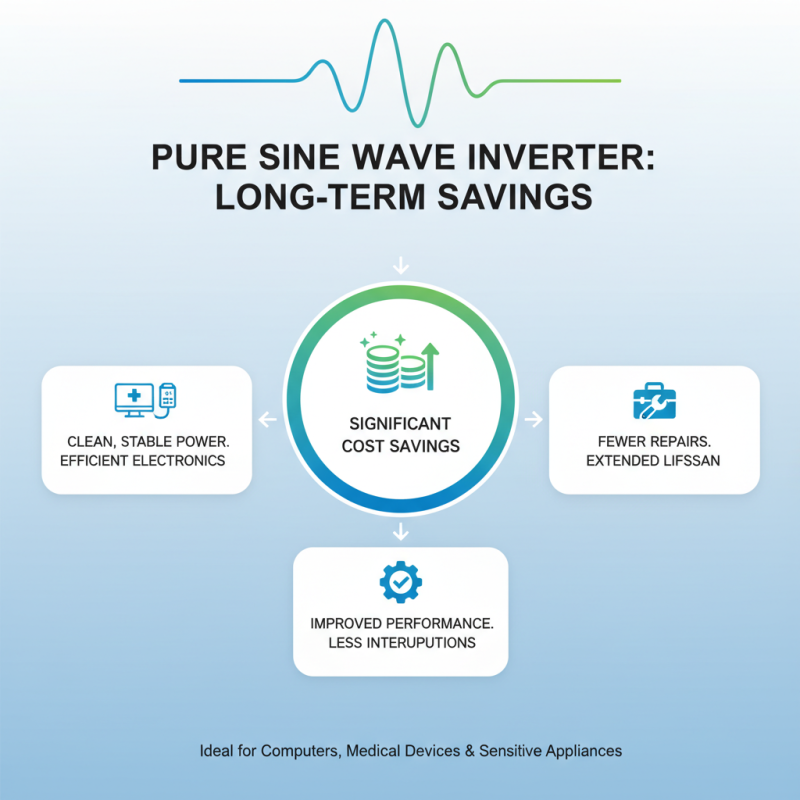
Using a pure sine wave inverter can lead to significant long-term cost savings. These inverters provide a clean and stable power output. This ensures that sensitive electronics operate efficiently. Appliances such as computers and medical devices perform better. You may notice fewer interruptions and repairs.
Reliability is another key advantage. Pure sine wave inverters tend to have a longer lifespan. They reduce overheating and wear on circuits. Users often find that their maintenance costs drop. Since these systems are so dependable, the initial investment pays off over time. However, it's essential to remember that not all setups are perfect. Users should consider their specific energy needs and grid stability. This reflection can help ensure they select the right system for their unique power demands.
Careful planning is crucial. A great inverter doesn't guarantee problem-free usage. Installation mistakes can lead to inefficiencies. Therefore, a bit of research and reflection can enhance overall satisfaction.