Best Portable EV Station for Home Use What to Consider?
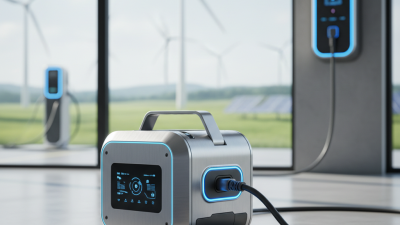
When considering a Portable EV Station for home use, several factors come into play. Choosing the right model is essential for efficiency and convenience. With the growing popularity of electric vehicles, having a reliable charging station becomes crucial. However, the right choice often feels overwhelming due to various options.
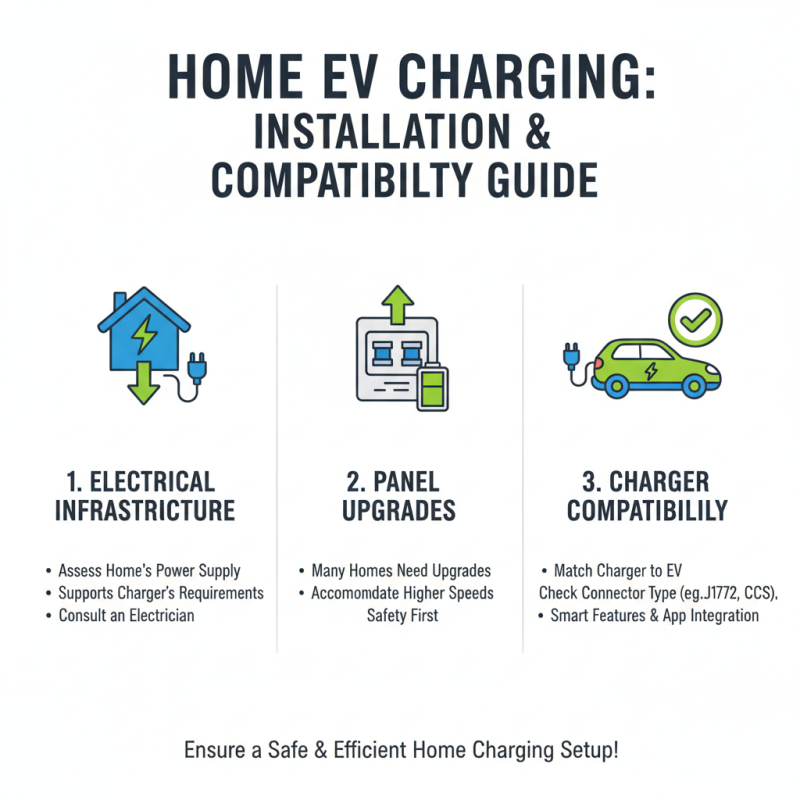
People often overlook important details. Charging speed, compatibility with your vehicle, and installation requirements are vital. These factors impact your overall experience. It is wise to research brands with a proven track record in the market. Not all Portable EV Stations are created equal, and selecting the wrong one can lead to frustration. Power output and safety certifications must be prioritized.
The goal is to find a Portable EV Station that fits your lifestyle. Consider your daily driving habits and charging needs. Reading reviews from real users can provide valuable insights. Remember, a smart investment in a Portable EV Station can significantly enhance your EV experience. Make informed choices and enjoy the benefits of seamless charging at home.
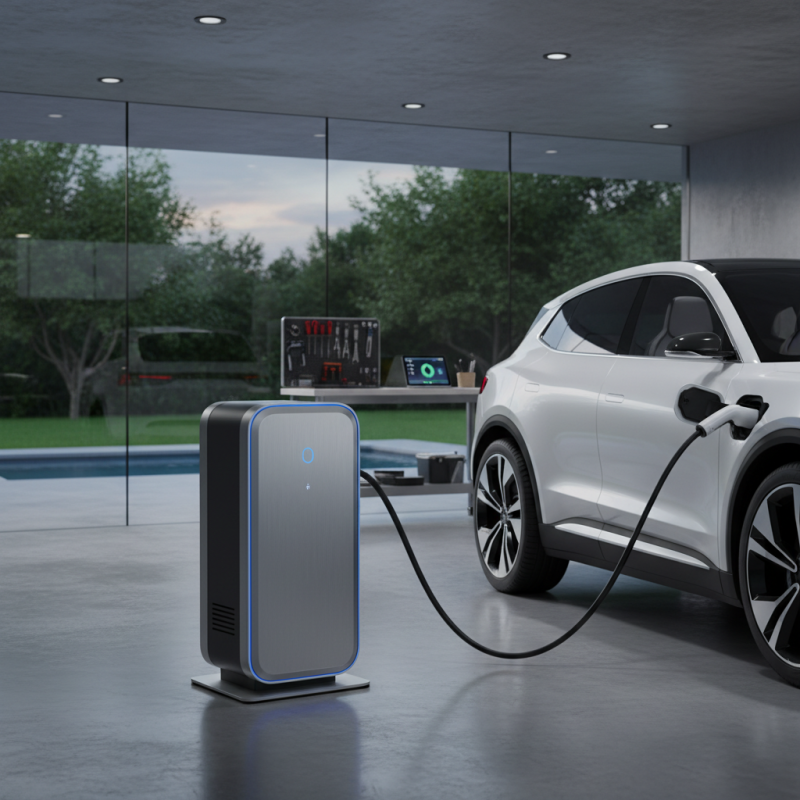
Key Features to Look for in a Portable EV Charging Station
When choosing a portable EV charging station for home use, several key features deserve attention. First,
charging speed is crucial. According to the U.S. Department of Energy,
a Level 2 charger can deliver up to 240 volts, significantly reducing charging time.
A station that supports higher amperage enables quicker charging cycles, which can be vital for daily commuters.
Another important aspect is portability. A lightweight design makes
it easier to move the station as needed. Some users may need to transport the station for different vehicles or locations.
Therefore, a compact unit with a durable build is ideal. Additionally, an IP rating for weather resistance
is necessary if you plan to use the charger outdoors frequently. This ensures the station can withstand varying environmental
conditions without compromising safety.
Moreover, compatibility with different EV models is essential.
Research indicates that almost 40% of EV owners express concerns about charging compatibility. Selecting a device that offers
universal connectors or adapters minimizes potential issues. It's also wise to consider smart features
such as mobile apps that provide charging status updates and usage statistics. While many options exist, understanding these
factors can help in making an informed decision.
Types of Portable EV Charging Stations and Their Applications
Portable electric vehicle (EV) charging stations come in various types, catering to diverse needs. Level 1 chargers typically use standard household outlets. They are easy to set up but offer slower charging speeds, usually around 4-5 miles of range per hour. For many, this might not suffice during peak charging times. According to the U.S. Department of Energy, about 56% of EV owners charge at home, highlighting the importance of understanding your charging requirements.
Level 2 chargers operate on 240-volt outlets. They provide faster charging, often delivering 10-60 miles of range per hour. This speed makes them popular among EV owners who travel longer distances daily. A report from the International Energy Agency indicated that global sales of EVs surged by 40% in 2020, highlighting an increasing demand for efficient home charging solutions. However, installation can be costly and requires professional help, which may deter potential buyers.
DC fast chargers are the powerhouses of portable charging stations. They are capable of drastically reducing charging time, providing up to 80% charge in just 30 minutes. However, their high cost and specific electrical requirements can be a barrier for many homeowners. In fact, recent surveys show that approximately 25% of potential EV buyers are concerned about home charging infrastructure. Choosing the right type means balancing convenience with cost-effectiveness, an aspect often overlooked.
Best Portable EV Station for Home Use: What to Consider?
| Charging Station Type |
Power Output (kW) |
Charging Time (0-100%) |
Portability (Weight) |
Price Range |
| Level 1 Charger |
1.2 kW |
8-20 hours |
10 lbs |
$300 - $600 |
| Level 2 Charger |
3.3 - 7.2 kW |
4-8 hours |
15-25 lbs |
$500 - $1,200 |
| Portable DC Fast Charger |
25-50 kW |
30-60 minutes |
50-100 lbs |
$10,000 - $20,000 |
| Level 2 Smart Charger |
7.2 - 11 kW |
3-6 hours |
20-30 lbs |
$800 - $1,500 |
Cost Factors and Budgeting for a Portable EV Charging Solution
When considering a portable EV charging solution for home use, cost factors are crucial. A typical portable EV charger can range from $300 to over $1,000, depending on its features and charging speed. Homeowners should account for installation costs, which can add another $200 to $300. According to industry estimates, over 60% of new electric vehicle owners prioritize budget when selecting charging equipment.
Tips: Determine your charging needs based on your vehicle’s battery size and your daily driving distance. A basic unit may suffice for short commutes, while longer trips might require a faster charging option.
Additionally, keep in mind the ongoing costs of electricity. The U.S. Department of Energy reports that charging an EV at home can cost about $0.14 per kilowatt-hour. If your portable charger can deliver 40 miles of range for each hour of charging, it presents an efficient and cost-effective solution. However, fluctuating electricity prices can impact overall expenses. Some homeowners find themselves surprised by the higher costs during peak hours.
Tips: Consider utilizing a time-of-use rate plan to save on energy costs. Charging during off-peak hours can make a significant difference in your monthly bills.
Safety and Efficiency Standards for EV Charging Equipment
When selecting a portable EV station for home use, safety and efficiency standards are crucial. Charging equipment should comply with national safety regulations to prevent accidents and ensure user confidence. Look for features like overcurrent protection, ground fault circuit interrupters, and temperature sensors. These innovations enhance safety by preventing overheating or electrical faults.
Moreover, efficiency plays a vital role. High-quality chargers minimize energy loss during the charging process. Consider the charging speed and compatibility with different EV models. Evaluating these factors can help you make smart choices and minimize environmental impact. However, some low-cost options may lack these critical features.
It's important to evaluate your specific needs too. Not every charger fits all homes or users. Keep in mind that installation might require professional assistance. Be prepared for these costs and plan accordingly. As technology evolves, staying informed about the latest standards can lead to better decisions. Balancing safety, efficiency, and your home’s setup will ensure a reliable charging experience.
Best Portable EV Station for Home Use
This bar chart displays the compliance scores for various safety and efficiency standards relevant to portable EV charging stations for home use. It emphasizes the importance of choosing a charging station that meets high safety and efficiency standards.

 Mobile Generator