How to Choose the Best Emergency Generator for Your Needs?
When selecting the best Emergency Generator for your needs, understanding your specific requirements is crucial. According to the U.S. Energy Information Administration, about 20% of American households experience power outages each year. Many rely on Emergency Generators to maintain essential services during such disruptions. Choosing the right generator can be challenging, given the vast array of options available.
Emergency Generators come in various types, including portable and standby models. Each type has unique features and capabilities. The Federal Emergency Management Agency (FEMA) recommends evaluating the power needs of your home or business before making a decision. Identifying critical appliances, such as refrigerators and medical equipment, helps ensure that your generator choice supports essential functions during outages.
It's important not to overlook safety and regulatory considerations as well. Inadequate installation or improper use of Emergency Generators can lead to serious hazards. A survey by the National Fire Protection Association indicates that improper handling of generators contributes to a significant number of home fires. Ultimately, a careful assessment can lead to a suitable generator choice, balancing efficiency with safety.
Understanding Your Power Needs: Assessing Required Wattage for Backup
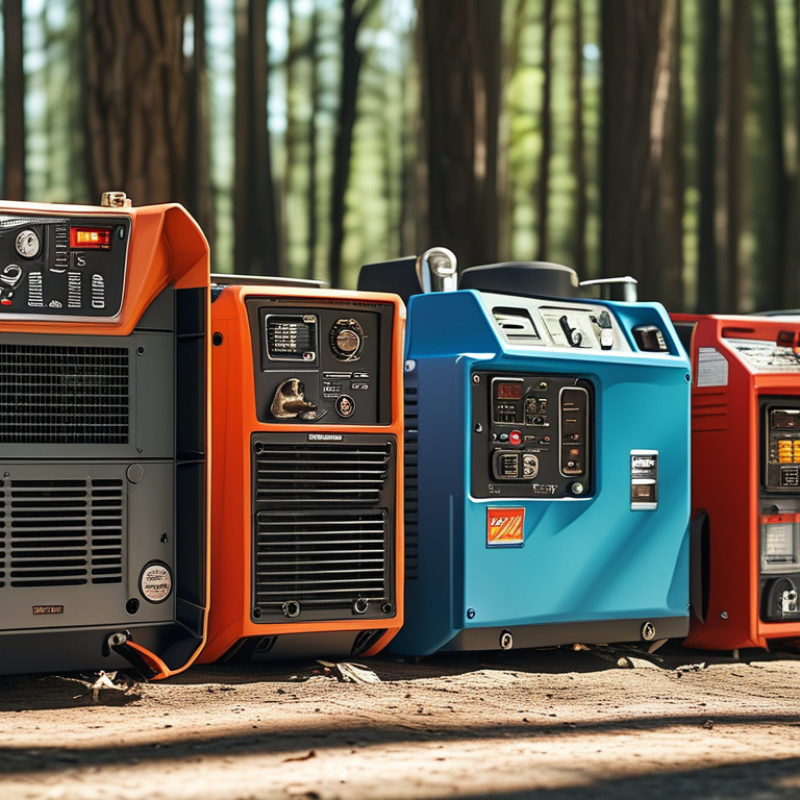
When selecting an emergency generator, understanding your power needs is vital. Start by calculating the total wattage required for essential appliances. A refrigerator typically needs about 600 watts to run, while a basic heater can demand up to 1500 watts. Thus, if you plan to power both, you will need at least 2100 watts.
It’s important to consider surge wattage as well. Appliances like refrigerators require more power when starting, often 2-3 times their running wattage. According to the U.S. Department of Energy, a common rule of thumb is to assume that starting wattage can peak at 3000 watts for such devices. This means your generator should have a capacity that exceeds your peak requirements. For many households, this analysis often reveals a gap in their initial estimates.
Not everyone has a clear idea of how much power they will use. This can lead to overestimating needs or, worse, not having enough capacity. Before committing to a generator, consider using a wattage calculator. These tools can accurately assess your requirements. However, remember that your needs may change. Seasonal use could mean higher demand at different times of the year. You need to reflect on your actual consumption patterns for an informed decision.
Types of Emergency Generators: Portable vs. Standby Systems
When deciding between portable and standby generators, it's crucial to understand their distinct features. Portable generators offer flexibility, allowing users to transport them easily. They are ideal for short-term power outages or outdoor events. According to industry data, these units can generate between 1,000 to 8,500 watts, sufficient for appliances like refrigerators and lights during emergencies. Portability comes at the cost of fuel consumption, which can be higher than expected during prolonged use.
In contrast, standby generators are permanently installed. They automatically kick in during outages, ensuring seamless power for a home. With outputs ranging from 5,000 to 20,000 watts, they can handle multiple systems simultaneously. Many homeowners prefer them for their reliability and convenience. Data from the market shows that over 41% of households consider standby generators a worthwhile investment for peace of mind. However, their installation can be expensive and typically requires professional setup, which might not suit every budget.
Ultimately, choosing the right generator involves weighing these factors against personal needs and circumstances. Consider how often you face power outages and what devices are essential during emergencies. A portable generator might suffice for occasional use, but a standby unit offers long-term security for frequent outages.
Fuel Options for Generators: Gasoline, Propane, and Diesel Comparisons
When choosing an emergency generator, fuel options are crucial. Gasoline, propane, and diesel each have unique characteristics that can affect your decision. According to a report from the U.S. Energy Information Administration, gasoline is the most commonly used fuel, favored for its availability and ease of storage. However, it has a shorter shelf life, especially when stored for extended periods.
Propane is a cleaner-burning alternative. It is less prone to degradation and can be stored indefinitely. The Propane Education & Research Council states that propane produces fewer emissions than gasoline and diesel. This can be an essential factor for environmentally conscious users. However, propane typically requires a larger initial investment in infrastructure, such as tanks.
Diesel generators are known for their fuel efficiency and longevity. A study by the Department of Energy highlights that diesel engines can run longer on less fuel compared to gasoline engines. However, noise and emissions are considered downsides, especially in residential areas. Understanding these differences is vital in selecting the proper generator for your needs. Each fuel type presents benefits and potential drawbacks that require careful consideration.
Runtime and Maintenance: Factors Affecting Generator Longevity
When selecting an emergency generator, runtime and maintenance are crucial for ensuring longevity. According to industry reports, a generator's runtime capacity can vary widely. Most generators provide between 8 to 24 hours of continuous power, depending on fuel type and load. For instance, propane generators often offer longer runtimes compared to gasoline models. Yet, the efficiency largely depends on the specific use case and energy demands.
Maintenance is equally pivotal. Regular checks and proper servicing can drastically extend a generator's life span. A report from the Generac Power Systems indicates that neglecting maintenance can reduce a generator's lifespan by nearly 50%. Simple tasks like oil changes and filter replacements can help avoid costly repairs later on. Many generators require oil changes every 50 hours of usage. Battery checks should also be routine to avoid unexpected failures.
End-users often overlook the fuel type’s significance in affecting runtime and maintenance. Diesel generators are known for durability but may require more intensive care. Users need to be aware of the long-term implications of their choices. Factors like weather exposure and storage conditions also play a role in both performance and upkeep. Being mindful of these aspects can lead to better decisions and informed purchases.
Safety Features and Regulations: Ensuring Compliance and Safe Operation
When selecting an emergency generator, safety features are paramount. Compliance with safety regulations ensures the user and the surrounding environment remain protected. According to the National Fire Protection Association (NFPA), improper generator use can lead to over 70 deaths annually in the U.S. alone.
Key features to consider include circuit breakers, automatic shut-off circuits, and adequate ventilation systems. These components help mitigate fire risks and prevent carbon monoxide poisoning. The American National Standards Institute (ANSI) provides guidelines that generators should comply with, ensuring they meet safety standards.
Tips: Always read the manual carefully. Ensure your generator has been tested and certified. Store it away from your home to avoid dangerous fumes. Regular maintenance checks are vital. They increase reliability and safety.
Investing in a generator that meets all required safety standards is essential. Keep in mind that your generator's location plays a role in safe operation. The Consumer Product Safety Commission (CPSC) highlights that proper placement can significantly reduce risks. Not all models are designed with the same safety features, so assessing your specific needs is crucial before making a choice.

 Mobile Generator