How to Choose the Best Inverter Generator for Your Needs?
Choosing the right inverter generator can significantly impact your outdoor experiences and home backup power. Inverter generators are known for their efficiency, quiet operation, and clean energy output. According to a report by *Market Research Future*, the inverter generator market is expected to grow by over 8% annually through 2025. This growth highlights their increasing importance in various sectors, from camping to emergency preparedness.
Expert insight is crucial when selecting the best inverter generator. James Miller, a leading authority in portable power solutions, states, “Understanding your specific needs is vital when choosing an inverter generator.” His words remind us that a one-size-fits-all approach may lead to disappointment. Not every generator suits every situation. Some users may value portability, while others prioritize fuel efficiency or wattage capacity.
The decision involves understanding personal requirements. Do you need it for RV trips or for emergency power at home? Each use demands different specifications. An inverter generator can be a wise investment, but careless choices can lead to regrettable outcomes. Reflect on what features matter most to you, and don't rush this important decision.
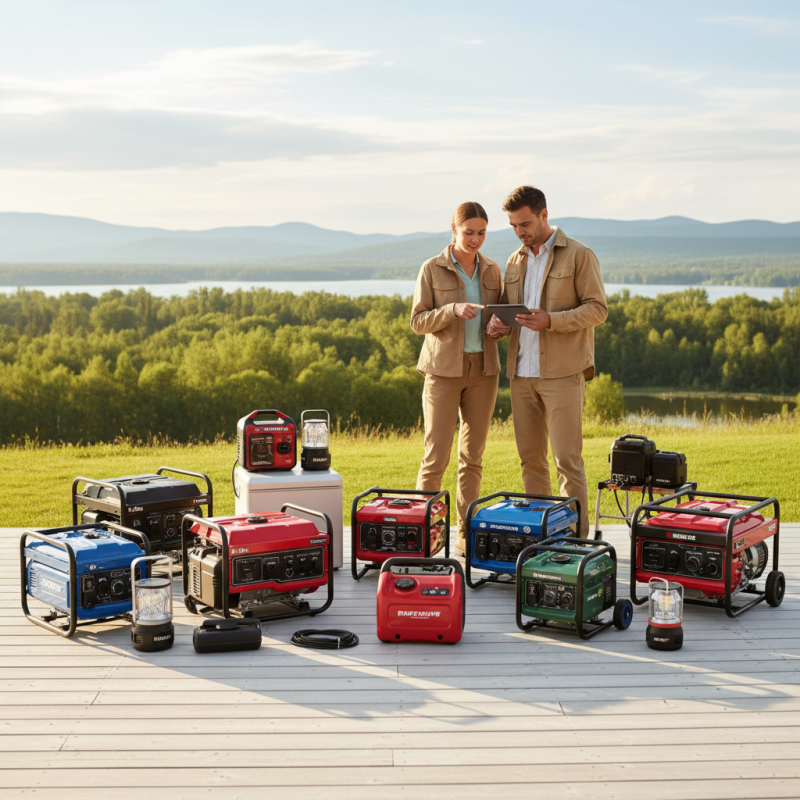
Understanding Inverter Generators: Basics and Key Features
Inverter generators are increasingly popular for various uses. They deliver clean energy, ideal for sensitive electronics. Their compact design makes them portable. These generators are quieter than traditional generators, making them suitable for camping or residential use.
Understanding the key features is essential when choosing an inverter generator. Look for fuel efficiency and power output ratings. You might overlook the importance of run time on a single tank. Additionally, assess the weight for portability. Don’t forget to check the outlets available for your devices. Noise levels can vary significantly; a lower dB rating often means a quieter experience.
Consider your specific needs. Will you use it for home backup or recreation? Think about how much power you actually require. Sometimes, people overestimate their power needs, leading to unnecessary expenses. Reflect on your unique usage scenarios to make a more informed decision. Investing time to understand these basics can help you choose wisely.
Evaluating Power Output: Watts, Surge Watts, and Runtime
When choosing an inverter generator, evaluating power output is crucial. Power output is generally measured in watts and surge watts. Watts represent the continuous power the generator can produce. Surge watts indicate the extra power available for short bursts, like starting appliances. Not considering these factors can lead to frustration during use.
Runtime is another important aspect. It indicates how long the generator can run on a tank of fuel. Most generators list runtime at a 50% load. If your appliances require a lot of power, the runtime may decrease significantly. It’s worth testing different load levels. You might find your generator runs out of fuel quicker than expected.
Another aspect to reflect upon is your actual needs. Think about what you'll power. A small unit may fit basic needs, while larger ones serve multiple devices. Sometimes, users overlook their requirements and purchase oversized generators. That might lead to wasted fuel and resources. Always assess your priorities and make an informed decision based on realistic scenarios.
How to Choose the Best Inverter Generator for Your Needs?
| Model |
Power Output (Watts) |
Surge Watts |
Runtime (Hours) |
Weight (lbs) |
| Model A |
2000 |
2200 |
8 |
48 |
| Model B |
2500 |
3000 |
10 |
50 |
| Model C |
3000 |
3500 |
12 |
55 |
| Model D |
1800 |
2200 |
7 |
40 |
Assessing Noise Levels: Decibels and Eco-friendly Options
When choosing an inverter generator, noise levels are crucial. Typically, generators produce between 50 to 70 decibels. At 60 decibels, it resembles normal conversation. Loud generators can disrupt camping or outdoor activities. According to a 2021 survey, 85% of users prioritize quiet operation. This preference highlights the importance of selecting models that maintain lower noise levels.
Eco-friendly options also matter. Many modern inverter generators include advanced technology, significantly reducing emissions. The EPA sets strict regulations on fuel efficiency and emissions. Inverter generators can achieve near 50% less fuel consumption when compared to conventional models. This efficiency aligns with a growing demand for sustainable energy solutions. Users now seek quieter and cleaner energy sources.
While quieter models exist, they may come with limitations. Higher quality often means higher prices. Users must balance noise reduction and affordability. Additionally, some quiet generators might not offer high wattage output. This mismatch could affect usability in different scenarios. Reflecting on these choices ensures better decision-making for potential buyers.
Noise Levels of Inverter Generators (Decibels)
This bar chart illustrates the noise levels of various inverter generator sizes measured in decibels (dB). Lower decibel levels indicate quieter operation, making these machines more suitable for environments where noise is a concern.
Portability and Design: Weight, Size, and Fuel Tank Capacity
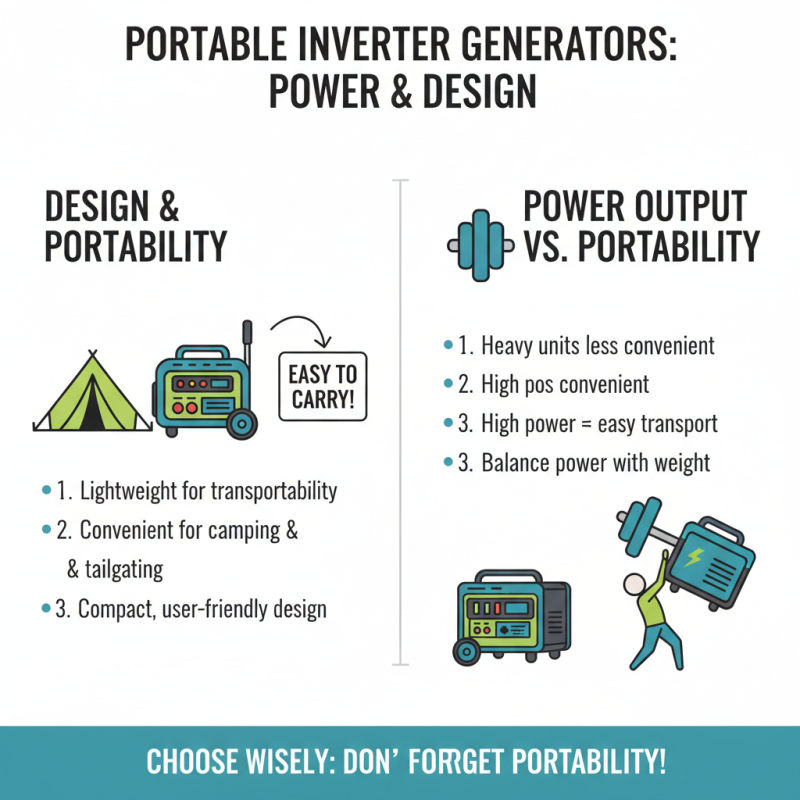
When choosing an inverter generator, portability and design matter. The weight of the generator can impact how easy it is to transport. A lighter unit is often more convenient for camping trips or tailgating. Sometimes, manufacturers focus too much on power output and forget about portability. You might find a powerful generator too heavy to carry.
Size also plays a role in usability. Compact generators save space in your vehicle or during storage. They can fit into tight spots, which is appealing for people with limited space. However, small size can lead to inadequate fuel tank capacity. A small tank means frequent refueling, which can be frustrating during extended use.
Fuel tank capacity needs careful consideration, too. Larger tanks provide longer runtime, reducing downtime for refueling. Keep in mind that a larger tank also adds weight. It’s a balancing act. Assess your needs before deciding. Sometimes, you might compromise on power for better portability. Reflecting on your preferences is crucial for making the right choice.
Price Range and Warranty: Budgeting for Quality Inverter Generators
When choosing an inverter generator, the price range plays a significant role. Most quality inverter generators fall between $300 to $1,500. Cheaper models may seem appealing, but they often compromise performance and durability. A study by Consumer Reports indicates that spending a bit more can result in a 30% increase in reliability. It’s wise to consider long-term benefits instead of just upfront costs.
Warranty is another critical factor. Many manufacturers offer warranties ranging from one to three years. A solid warranty can indicate a company's confidence in its product. Research shows that products with longer warranties are often more reliable. However, some models with minimal warranties may still perform well. It's essential to evaluate both the price and the warranty in combination. Finding the right balance can mean the difference between a good investment and a bad one.
Some buyers find themselves tempted by the lowest prices. This can lead to regrets. Cheap generators can break down more frequently. This results in higher repair costs over time. On the other hand, pricier options may not always meet performance needs. Consider how often you will use the generator. Assess your power requirements before making a decision. These details can shape a more informed purchase.

 Mobile Generator