Why Choose an Emergency Inverter for Your Power Needs?
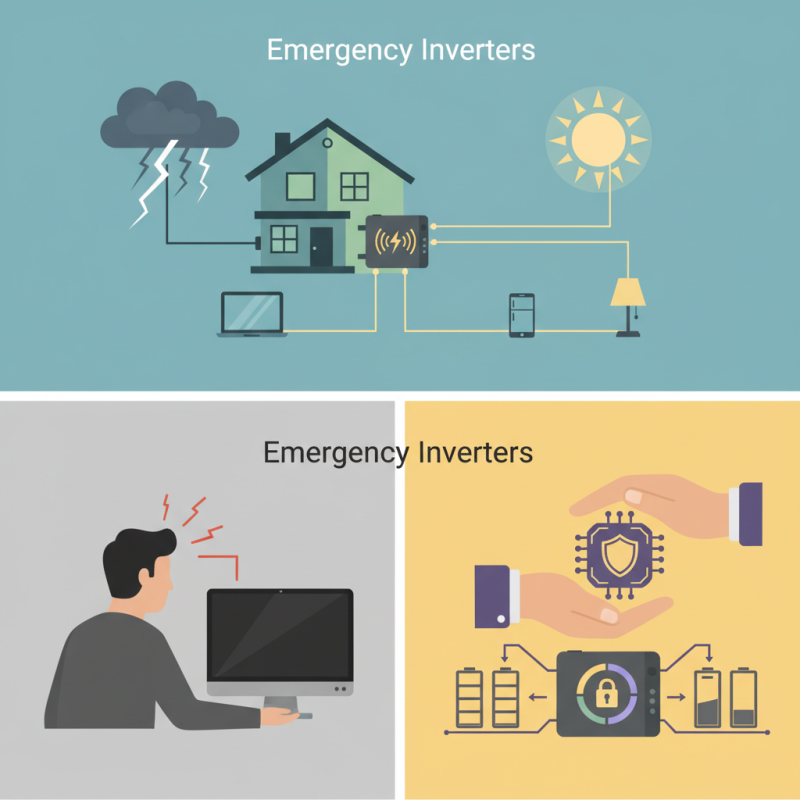
In today's unpredictable world, reliable power is essential. An Emergency Inverter serves as a vital resource during outages. It ensures your devices stay powered, providing peace of mind in emergencies.
Many people underestimate the importance of having an emergency backup plan. Without it, critical moments can lead to frustration. An Emergency Inverter not only powers your essentials, but it also protects sensitive electronics. It reduces the risk of data loss or damage, making it a wise investment.
Choosing the right Emergency Inverter can be overwhelming. There are various features and capacities to consider. Understanding your specific needs can help you make an informed choice. Ultimately, an Emergency Inverter offers both security and reliability for your power needs.
Understanding the Basics of Emergency Inverters and Their Functionality
Emergency inverters play a crucial role in situations where reliable power is essential. These devices convert DC power into AC power, maintaining functionality during blackouts. By providing backup electricity, they ensure important appliances remain operational. Many people rely on emergency inverters for health equipment, refrigeration, or lights.
Understanding how these inverters work is key. They use batteries to store energy, which is then converted when needed. Users should consider the power requirements of their devices. Connecting too many devices may overwhelm the inverter. It's an important factor that warrants careful planning.
There are a variety of emergency inverters available, each with different capacities and features. Users might struggle with finding the right one for their needs. Research can prove beneficial, yet it may feel overwhelming at times. Assessing your unique circumstances can make a significant difference. Reliability and efficiency matter when selecting an inverter, especially in emergencies.
Key Benefits of Using an Emergency Inverter in Power Outages
In power outages, having an emergency inverter can be a lifesaver. These devices convert DC power into AC power, providing electricity for essential appliances. This means you can keep your refrigerator running, charge your devices, and maintain basic lighting. The benefits are clear, especially for those living in areas prone to outages.
Investing in an emergency inverter enhances your power reliability. They are often portable, easy to use, and can power critical tools during emergencies. You may initially hesitate due to cost or installation, but the peace of mind they offer is priceless. Plus, they require minimal maintenance, which makes them a practical choice.
**Tip:** When selecting an inverter, consider your power needs carefully. Calculate the combined wattage of devices you wish to run. It’s also wise to look for units with safety features like overload protection. This small step can prevent potential hazards. Not every inverter will suit every situation; it’s essential to do your research. Remember, the wrong choice can lead to frustration when the power is out.
Power Needs During Outages: Benefits of Emergency Inverters
How to Choose the Right Emergency Inverter for Your Needs
When selecting an emergency inverter, assessing your power needs is crucial. Industry reports indicate that a typical household requires around 1,000 to 3,000 watts of backup power during an outage. Understanding your essential equipment's wattage can help narrow down options. For example, a refrigerator may need 600 watts, while a small air conditioner could require 1,500 watts. Knowing these figures ensures you choose an inverter capable of supporting your specific demands.
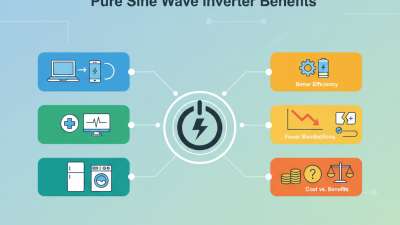
Consider the inverter type as well. Pure sine wave inverters are often recommended for sensitive electronics. According to research, these inverters offer safer and more reliable power for devices such as computers and televisions. In contrast, modified sine wave inverters may not perform well with all appliances. This difference can affect performance and lifespan of your equipment. Investigating these characteristics is vital to avoid potential deficiencies.
Size and portability matter, too. If you plan to use your inverter for outdoor activities, a lightweight model is advantageous. Conversely, larger units often provide more power but can be cumbersome. Assess your lifestyle and choose accordingly. Many users overlook these factors, leading to unsatisfactory experiences. Overall, understanding your needs and the inverter’s capabilities can prevent setbacks during power outages.
Installation and Maintenance Tips for Emergency Inverters
When installing an emergency inverter, proper planning is crucial. Ensure you're familiar with your home's electrical system. Identify the key areas that require backup power, such as refrigerators, lights, and essential appliances. A clear understanding gives you insight into the inverter's capacity needed for your home.
Maintenance is often overlooked but is essential for reliable performance. Regularly check the inverter's filters and connections. Dust and debris can accumulate over time, leading to inefficient operation. Also, inspect the batteries routinely. Ensure they hold a charge effectively. Address any issues immediately to avoid outages.
Consider seeking professional help for installation and maintenance. While DIY approaches save money, improper installation can lead to significant risks. If you’re uncertain, consult experts to ensure safety and reliability. An emergency inverter serves you best when it operates efficiently. Don’t skip on important steps, as this oversight could impact your power needs during critical moments.
Why Choose an Emergency Inverter for Your Power Needs? - Installation and Maintenance Tips for Emergency Inverters
| Feature |
Importance |
Installation Tips |
Maintenance Tips |
| Energy Efficiency |
Reduces electricity bills and conserves energy. |
Ensure the inverter is sized correctly for your electrical load. |
Regularly clean filters and ensure proper ventilation. |
| Automatic Switchover |
Provides immediate power during outages. |
Install in a central location to minimize wiring complexity. |
Test the switchover functionality regularly to ensure reliability. |
| Portability |
Allows for use in various locations, both indoors and outdoors. |
Choose a lightweight model if portability is necessary. |
Store in a dry place and avoid exposure to extreme temperatures. |
| Safety Features |
Prevents overloads and protects devices. |
Follow manufacturer guidelines for safe installation. |
Check for any warning signs like unusual sounds or smells. |
Comparing Emergency Inverters with Other Backup Power Solutions
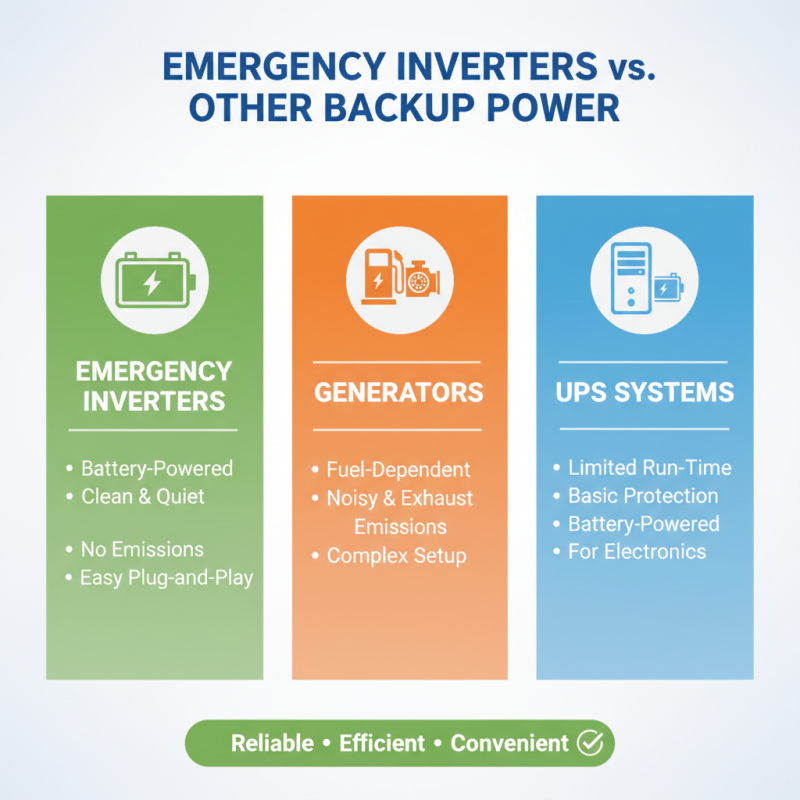
Emergency inverters serve as a reliable alternative to traditional backup power solutions like generators and UPS systems. Unlike generators, which often rely on fuel, emergency inverters use batteries. They provide clean, quiet power without emissions. This makes them an appealing choice for residential areas or sensitive environments. Many users appreciate the convenience of plug-and-play installation and ease of use.
When comparing emergency inverters to UPS systems, a noticeable difference lies in their power duration. UPS systems typically provide short bursts of power to keep devices running during outages. In contrast, emergency inverters can sustain power for an extended period, depending on battery capacity. However, they might require more time to recharge after heavy use.
While emergency inverters offer significant advantages, they are not without limitations. Their effectiveness depends on battery quality and size. Additionally, users may need to budget for replacement batteries over time. Reflecting on these aspects can help you make informed choices tailored to your power needs.

 Mobile Generator