2026 How to Choose the Best Mobile Power Station for Your Needs?
As outdoor activities and emergency preparedness gain importance, the demand for Mobile Power Stations has surged. According to a recent industry report by Grand View Research, the mobile power station market is projected to grow at a CAGR of 8.2% from 2023 to 2030. Consumers are increasingly recognizing the benefits of portable energy solutions for travel, camping, and home backup power.
Choosing the right Mobile Power Station requires careful consideration of specific needs. Factors like battery capacity, weight, and charging options are critical. A unit with insufficient capacity might leave users stranded during outdoor adventures. Conversely, a model that is too heavy for portability can defeat the purpose of convenience. Research shows that 76% of users prioritize portability and ease of use in their selection criteria.
Understanding the technical specifications of Mobile Power Stations is essential. Data from the Solar Energy Industries Association indicates that users should consider solar compatibility for sustainable power solutions. However, many are still unaware of how to assess solar efficiency. As options expand, potential buyers must reflect on their unique requirements to ensure they select a product that meets their needs effectively.
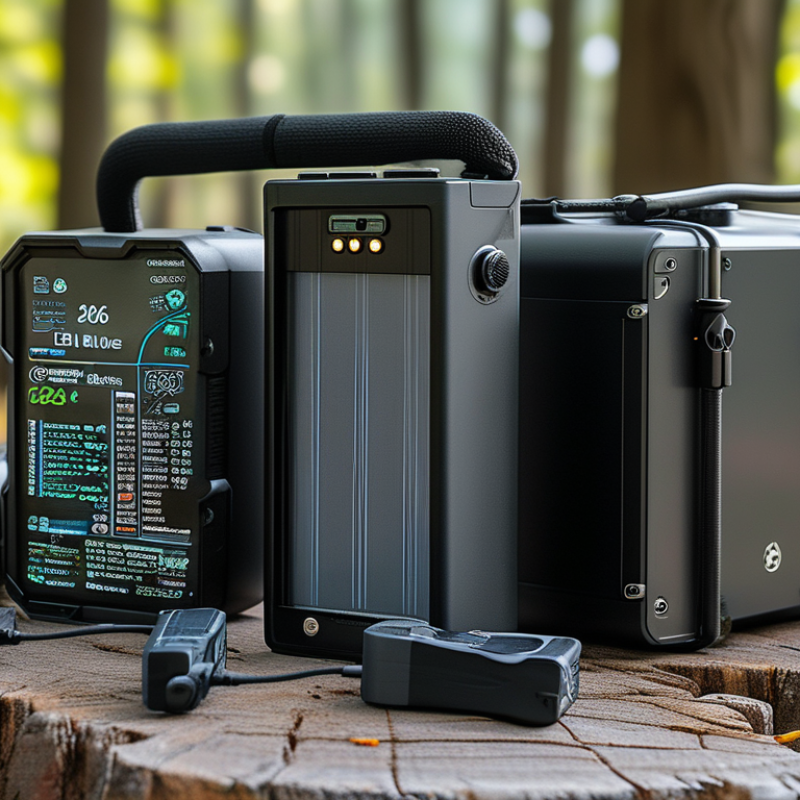
Understanding Mobile Power Stations: An Overview
Mobile power stations have become essential in our daily lives. These devices offer convenient power solutions for various needs, from camping trips to emergency backup during outages. Understanding the basics can help you make informed choices.
The capacity of a mobile power station is key. Measured in watt-hours, it indicates how much energy it can store. Higher capacity means more devices can be powered for longer periods. Think about your typical usage. How many devices do you need to charge?
Portability matters too. Size and weight can affect your overall experience. Some units are lightweight and easy to carry, while others are bulkier but offer more features. Evaluate your specific requirements. Consider how frequently you plan to transport it. Additionally, check the output options available, such as USB, AC, and DC ports. Each provides different uses, so choose wisely.
Key Factors to Consider When Choosing a Mobile Power Station
When selecting a mobile power station, several key factors come into play. First, consider your power needs. Assess how many devices you will charge and their energy requirements. Will you use it for camping or during emergencies? Knowing this helps you choose the right capacity.
Battery types matter too. Lithium-ion batteries are common due to their durability and efficiency. However, they may not perform well in extreme temperatures. Research different battery options to understand their strengths and weaknesses.
Tip: Check the output ports available. A variety of ports allows you to charge multiple devices simultaneously. Some models offer USB-C, AC, and DC outputs. This flexibility can be crucial for road trips or outdoor gatherings.
Portability is another consideration. If you plan to move it frequently, weigh its size and weight. A compact design is convenient but might compromise power. Balance is key.
Lastly, review user feedback and expert reviews. Trustworthy sources offer insights that can guide your decision. Be open to refining your choice based on this information.
Comparing Power Capacity and Output Types for Your Needs
When selecting a mobile power station, understanding power capacity and output types is critical. Power capacity, measured in watt-hours, indicates how much energy the station can store. Higher capacity allows for longer usage. For instance, a device with 500 watt-hours can power a small refrigerator for about 8 hours. However, users must assess their actual needs. Are you planning a camping trip or an emergency backup? The answer impacts your choice.
Output types also matter significantly. Some power stations offer AC outlets, USB ports, and DC outputs. Each serves different devices. An AC outlet powers larger electronics like laptops, while USB ports charge phones and small gadgets. Choosing the right combination is essential. However, not all devices require the same output type. Reflect on your usage. Will you need all these options, or just a few? It’s easy to overspend on an overly versatile unit. Balancing needs against features is a thoughtful approach.
Portability and Design: What to Look For in a Mobile Power Station
Portability is a critical factor when choosing a mobile power station. A lightweight design can significantly enhance your outdoor experience. Reports indicate that 75% of users prioritize weight and size in their decision-making process. A portable unit should easily fit in a car trunk or a backpack. Weighing less than 30 pounds typically indicates good portability. A compact design also suggests better storage options, making it easier to transport on hikes or camping trips.
Battery design matters too. Lithium-ion batteries are the most popular due to their efficiency and longevity. Research shows that these batteries can offer up to 2000 charge cycles, ensuring long-term reliability. Some models include features like built-in wheels or handles, enhancing their usability. However, a more portable design might compromise battery capacity. It’s essential to balance size and power output with your specific needs. The ideal power station should not sacrifice performance for portability.
Aesthetic design can also play a role. Sleek appearances attract users, but practicality is the main concern. Consider the layout of ports and controls. Analysts suggest that intuitive designs lead to higher customer satisfaction rates. This reflects a user-centric approach amid a market flooded with options. Finding the right blend of portability, design, and performance may require trial and feedback.
Additional Features and Accessories to Enhance Your Experience
When selecting a mobile power station, additional features and accessories can significantly enhance the user experience. For instance, built-in solar panels can extend the power station's applications, especially for outdoor enthusiasts. Reports indicate that 30% of consumers prefer solar charging capabilities for sustainable energy. This feature allows users to enjoy extended trips without worrying about grid access.
Portability is another crucial factor. Many power stations come with wheels and handles, making them easy to transport. The average weight of a typical mobile power station is around 25 lbs, which can be cumbersome. Investing in lightweight models can save effort when moving from one location to another. Moreover, companion accessories like protective cases and surge protectors can also add value. Research indicates that around 40% of users have faced damage due to power surges. So, having protective accessories is wise.
Consider the compatibility with various devices as well. Mobile power stations often feature multiple output ports. These can accommodate everything from smartphones to larger appliances. However, mismatched device connections may lead to inefficiencies. Therefore, knowing your devices' needs is essential. Overall, while the primary function is clear, the additional accessories and features play a pivotal role in enhancing user satisfaction.

 Mobile Generator